How Glucose Sensors Are Transforming Health Monitoring

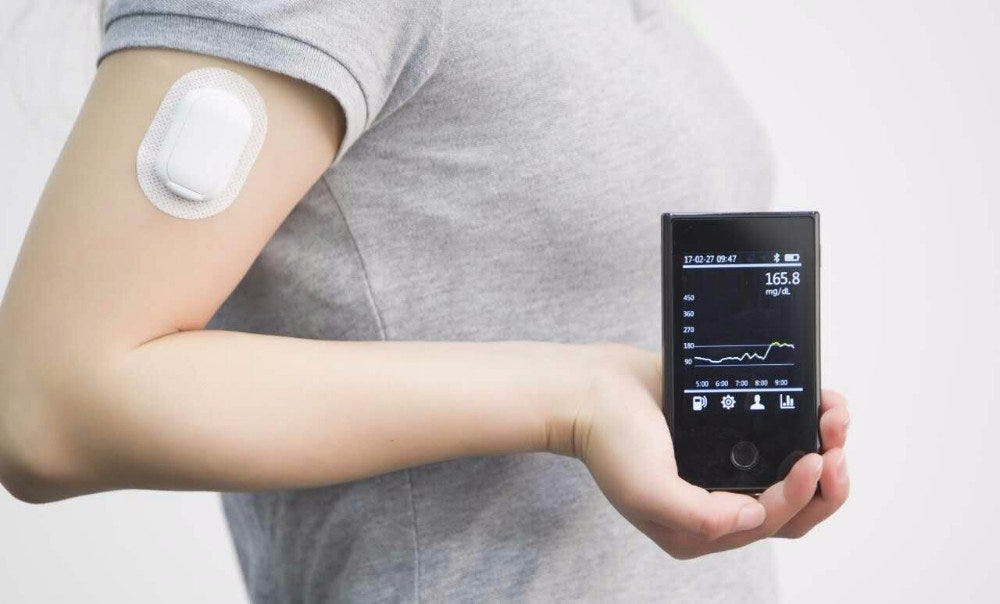
Glucose sensors have revolutionized diabetes management by providing real-time monitoring of blood glucose levels. These devices offer an indispensable tool for patients and healthcare providers seeking precise glycemic control to prevent complications associated with diabetes. The glucose sensor market is witnessing rapid advancements, driven by technological innovations and increasing prevalence of diabetes globally. Modern glucose sensors are no longer limited to traditional finger-prick methods but have evolved into continuous glucose monitoring (CGM) systems, offering dynamic data that empowers users with timely information to make informed health decisions. These advancements not only improve patient compliance and quality of life but also enable personalized treatment strategies, enhancing overall healthcare outcomes.
Advanced Technologies Powering Modern Glucose Monitoring Devices
Recent years have seen significant breakthroughs in Glucose Sensors technologies. Traditional enzymatic electrochemical sensors based on glucose oxidase or glucose dehydrogenase have been refined for enhanced accuracy and durability. In addition, non-invasive and minimally invasive glucose monitoring techniques are increasingly gaining traction. Optical sensors utilizing near-infrared spectroscopy and fluorescence-based detection eliminate the discomfort of skin punctures. Furthermore, implantable sensors with extended life spans are being developed to continuously transmit glucose readings through wireless technologies, enabling seamless integration with smartphone apps and insulin pumps. These innovations are enabling real-time alerts for high or low glucose events, which are critical in preventing acute diabetic emergencies. Enhanced sensor sensitivity and calibration algorithms are also addressing previous accuracy challenges, making continuous glucose monitoring more reliable and trusted by both patients and clinicians.
The Role of Glucose Sensors in Diabetes Management Ecosystem
Glucose sensors are playing a pivotal role within the broader diabetes management ecosystem. By continuously monitoring glucose levels, these sensors provide invaluable data that can sync with digital health platforms for comprehensive analytics and trend monitoring. Integration with artificial intelligence and machine learning algorithms allows for predictive insights and personalized recommendations, such as insulin dose adjustments and dietary modifications. This integration supports a proactive approach to diabetes care, reducing hospitalizations and healthcare costs. Moreover, insulin pumps equipped with glucose sensor data enable closed-loop systems—often referred to as “artificial pancreas” devices—that automate insulin delivery based on continuous glucose readings for optimal glycemic control. This coordination between hardware and software creates a seamless user experience, markedly improving patient adherence and reducing the burden of manual monitoring.
Commercial Landscape and Competitive Dynamics of Glucose Sensors
The commercial landscape for glucose sensors is marked by a robust competitive environment with key market players continuously innovating to capture market share. Leading manufacturers are focusing on strategic partnerships, product upgrades, and regulatory approvals to enhance their product portfolios. The adoption of subscription-based models for sensor replacement and data services is changing purchase behaviors, emphasizing long-term customer engagement over one-time sales. Additionally, expanding use cases beyond diabetes, such as stress monitoring and fitness tracking, are opening new revenue streams. The market is also witnessing increased customization options, allowing manufacturers to cater to diverse consumer segments—from pediatric patients to elderly users with co-morbidities. High demand is concentrated in developed regions due to awareness and healthcare infrastructure, while emerging economies present untapped growth potential driven by rising diabetes incidence and improving accessibility to healthcare technologies.
Navigating Market Insights and Competitive Strategies in Glucose Sensor Industry
In-depth market research reports offer comprehensive analyses of the global glucose sensor landscape, highlighting growth drivers, challenges, and competitive dynamics. These insights provide critical information on technology trends, regulatory frameworks, and consumer preferences shaping future developments. Sector-specific reports enable stakeholders to benchmark product performance, identify untapped market segments, and tailor go-to-market strategies effectively. Studies focusing on healthcare reimbursement policies, cost-effectiveness, and adoption rates enhance understanding of market potential and barriers. Additionally, regional market segmentation sheds light on geographic variations in demand and regulatory compliance. By leveraging detailed data on manufacturing capacity, supply chain trends, and partnership opportunities, industry players can optimize product launches, pricing strategies, and innovation roadmaps, navigating an increasingly complex and competitive environment with confidence.
Transaction Models and Procurement Trends in Glucose Sensor Market
Procurement trends in the glucose sensor market are evolving, reflecting shifts in healthcare delivery models and patient preferences. Bulk purchasing by hospitals and clinics follows cost containment strategies, while individual consumers often rely on online platforms for convenience and accessibility. The rise of value-based healthcare is influencing purchasing decisions, encouraging buying patterns that prioritize sensor accuracy, longevity, and integrative capabilities over initial costs. Subscription services and leasing options for sensor technology are becoming prevalent, providing flexible financial models that reduce upfront expenditures for patients and healthcare providers. Additionally, reimbursement policies for continuous glucose monitors are expanding in many regions, facilitating wider accessibility and driving volume growth. The increasing role of pharmacies as distribution channels further streamlines procurement, creating faster and easier access for end users. These transactional innovations ensure that the latest glucose sensor technologies reach diverse patient populations efficiently and affordably.
Get this Report in Japanese Language: グルコースセンサー
Get this Report in Korean Language: 포도당 센서
Read More Articles Related to this Industry
Exploring the Benefits of FTIR Spectroscopy Instruments in Research
About Author:
Vaagisha brings over three years of expertise as a content editor in the market research domain. Originally a creative writer, she discovered her passion for editing, combining her flair for writing with a meticulous eye for detail. Her ability to craft and refine compelling content makes her an invaluable asset in delivering polished and engaging write-ups.
(LinkedIn: https://www.linkedin.com/in/vaagisha-singh-8080b91)