Ilmenite: The Titanium Powerhouse Driving Modern Industries

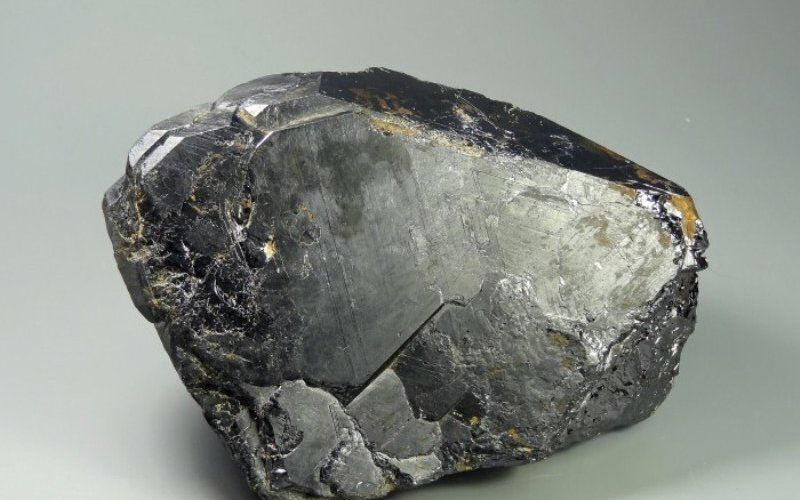
Ilmenite, a naturally occurring mineral primarily composed of iron titanium oxide (FeTiO3), stands as a crucial raw material in various industrial sectors. Renowned for its rich titanium content, ilmenite is an essential feedstock for producing titanium dioxide (TiO2), a widely used pigment in paints, plastics, and paper. This mineral’s significance extends beyond pigmentation to applications in welding rods, aerospace alloys, and even certain types of batteries. The global demand for ilmenite continues to rise steadily, driven by expanding end-use industries such as construction, automotive, and consumer goods manufacturing. Understanding the chemical properties, extraction methods, and evolving market dynamics is vital for stakeholders navigating the complex ilmenite landscape.
Exploring the Geological Sources and Extraction Methods of Ilmenite
Ilmenite deposits primarily occur in igneous and metamorphic rocks, with the most abundant reserves found in layered mafic intrusive complexes, beach sands, and placer deposits. Countries rich in ilmenite resources include Australia, South Africa, Canada, India, and Norway. The extraction process typically involves mining ilmenite from sand dunes or hard rock sources, followed by separation techniques like magnetic and gravity separation to concentrate the mineral. Advances in beneficiation technologies have enhanced the purity of ilmenite concentrates, which is critical for improving titanium dioxide yield during pigment manufacturing. Additionally, the environmental impact associated with mining and processing ilmenite remains a concern, prompting continuous innovation in sustainable mining practices and waste management.
Titanium Dioxide Production and Its Influence on Ilmenite Demand
One of the primary end-use applications of ilmenite is in the production of titanium dioxide, a white pigment extensively used for its brightness and opacity. Titanium dioxide derived from ilmenite is critical in industries including paints, coatings, plastics, paper, and cosmetics due to its excellent UV resistance and non-toxicity. The growing construction industry worldwide, coupled with increased demand for high-performance coatings and plastics, propels the consumption of titanium dioxide, thereby directly influencing ilmenite demand. Furthermore, advancements in chloride and sulfate processing techniques have diversified the titanium dioxide production pathway, enabling manufacturers to utilize various forms of ilmenite effectively. The rapid urbanization and infrastructure development in emerging economies remain pivotal factors driving the expansion of the titanium dioxide market and, consequently, ilmenite consumption.
Navigating the Global Ilmenite Market Insights and Industry Trends
Comprehensive understanding of the current market dynamics related to ilmenite is essential for investors, miners, and manufacturers. Industry reports published by leading market research organizations provide detailed analysis on production volumes, pricing trends, key market players, and regional demand fluctuations. These insights cover technological developments, trade policies, and supply chain challenges affecting the ilmenite market globally. Tracking these trends helps stakeholders anticipate market movements, optimize procurement strategies, and identify potential growth opportunities across different geographies. The availability of segmented market intelligence—covering areas such as end-use industry segments and product variants—supports data-driven decision-making for industry players. Staying updated with periodic market analyses enables efficient alignment with evolving market scenarios, ensuring competitive advantage and sustainability in operations.
Commercial and Industrial Applications Beyond Titanium Dioxide Production
While titanium dioxide production accounts for the major consumption of ilmenite, other industrial applications contribute significantly to its demand. Ilmenite is used in the manufacture of titanium metal alloys, which find applications in aerospace, military, and medical industries due to their high strength-to-weight ratio and corrosion resistance. Moreover, ilmenite serves as a fluxing agent in the production of steel and welding rods, enhancing the overall quality and durability of metal products. Emerging research focuses on exploiting ilmenite in rechargeable battery technologies and photocatalysts, underlining its potential to support future sustainable energy solutions. These diversified applications create multiple revenue streams, making ilmenite not only a critical mineral for pigment production but also a strategic resource for advanced manufacturing and technological innovation.
Transaction Platforms and Procurement Channels for Ilmenite Supplies
The commercial procurement of ilmenite involves strategic engagement with mining companies, mineral traders, and intermediaries operating in the global supply chain. Buyers often negotiate contracts based on product grade, quantity, and delivery timeframes to meet specific industrial requirements. Online commodity exchanges and specialized mineral trading platforms facilitate transparency and efficiency in ilmenite transactions by providing real-time pricing data, supplier directories, and logistics support. For manufacturers and industrial processors aiming to secure consistent ilmenite supply, understanding market pricing trends and supplier reliability is crucial. Long-term procurement agreements coupled with quality assurance protocols mitigate risks associated with supply disruptions or price volatility. Furthermore, participation in trade fairs and industry conferences enhances networking opportunities, enabling stakeholders to explore new sourcing options and form strategic partnerships.
Future Outlook and Market Demand Projections for Ilmenite Industry
The outlook for the ilmenite market remains optimistic, driven by sustained growth in end-user industries and evolving technological applications. Increasing infrastructure investments, coupled with rising environmental regulations favoring titanium dioxide’s non-toxic profile, are expected to accelerate demand. Additionally, technological advancements in mineral processing and titanium metal extraction promise to unlock new value from lower-grade ilmenite deposits, expanding the accessible resource base. Market forecasts highlight anticipated growth in demand from Asia-Pacific and North American regions, primarily fueled by expanding industrial capacities and urbanization trends. Stakeholders tracking comprehensive market outlooks can leverage these projections for capacity planning and investment decisions. Continuous monitoring of geopolitical developments, trade tariffs, and regulatory frameworks will also be indispensable in navigating future challenges and opportunities within the ilmenite sector.
Get this Report in Japanese Language: イルメナイト
Get this Report in Korean Language: 일메나이트
Read More Articles Related to this Industry
The Ultimate Paint Cans Guide: Types, Sizes, & Uses Explained
About Author:
Money Singh is a seasoned content writer with over four years of experience in the market research sector. Her expertise spans various industries, including food and beverages, biotechnology, chemical and materials, defense and aerospace, consumer goods, etc. (https://www.linkedin.com/in/money-singh-590844163)