Harnessing the Power of Genetics and Stem Cells: Treating CNS Disorders

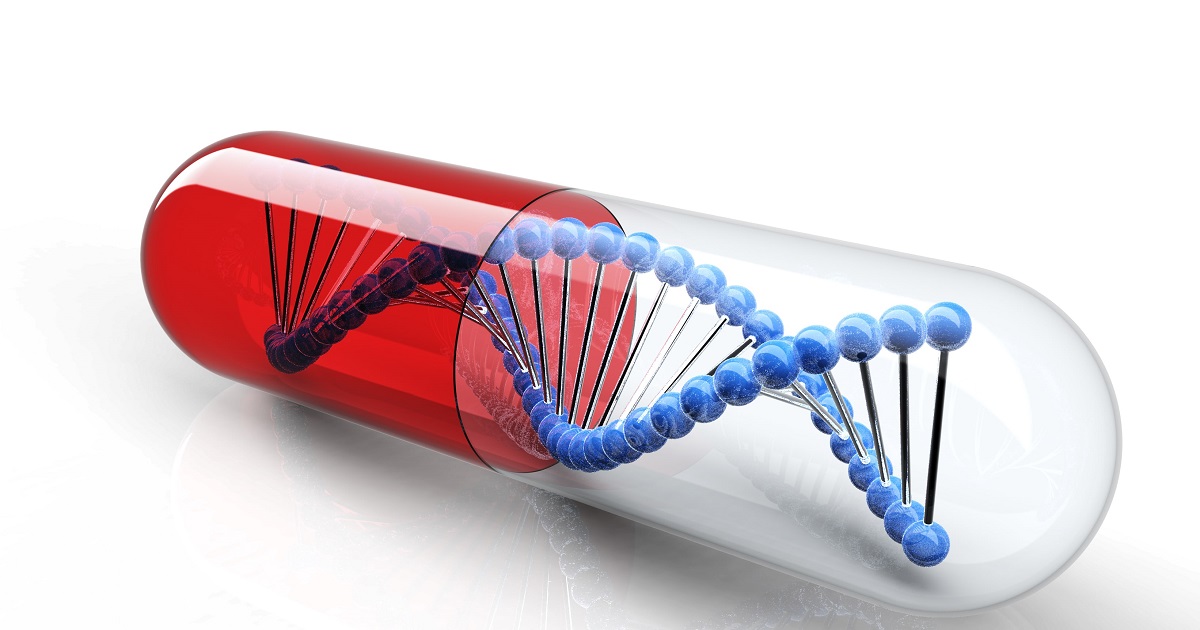
The central nervous system (CNS) comprises the brain and spinal cord. CNS disorders such as Alzheimer's disease, Parkinson's disease, Huntington's disease, and amyotrophic lateral sclerosis (ALS) can have devastating effects on individuals. While pharmaceutical therapies aim to manage symptoms, they do not cure these conditions or reverse their progressive nature. Gene and cell-based therapies offer innovative treatment approaches that have the potential to slow, stop or even reverse some CNS disorders. These novel therapies are actively being researched with promising early results.
Potential of Gene Therapy
Gene therapy involves introducing genetic material into cells to compensate for abnormal genes or produce missing proteins. In CNS disorders like Alzheimer’s, Parkinson’s and Huntington’s disease, specific neurons degenerate or die due to the production of abnormal or lack of critical proteins. Gene therapy aims to deliver healthy copies of genes into affected areas of the brain or spinal cord to boost production of therapeutic proteins.
Several gene therapy clinical trials are underway. For Alzheimer's disease, one approach involves using viral vectors to deliver genes encoding proteins that protect neurons from toxic beta amyloid and tau protein accumulation in the brain. Early phase trials show this therapy was well tolerated with no serious adverse events. For Parkinson's disease, gene therapy clinical trials focus on delivering genes for dopamine-producing enzymes into specific brain regions to compensate for dopamine loss. Preliminary results show increased enzyme activity and reduction in movement problems.
Challenges remain in developing targeted and efficient gene delivery systems to distribute therapeutic genes only to desired CNS cell types. Researchers are designing novel gene therapy vectors like bioengineered nanoparticles that can be administered noninvasively through the blood-brain barrier. If proven safe and effective in large-scale clinical trials, gene therapy holds promise as a one-time treatment for some neurodegenerative disorders.
Regenerative Potential of Stem Cell Therapy
In addition to providing support through gene therapy, replacing damaged or dead neurons through stem Gene and Cell Therapies Targeting CNS Disorders could restore lost function in neurodegenerative diseases. Mesenchymal stem cells (MSCs) have immune regulating and neuroprotective properties making them appealing for treating CNS disorders. MSCs can be derived from bone marrow or adipose tissue and directed to differentiate into desired neuronal cell types.
Clinical trials are assessing the benefits of MSC transplantation in conditions like ALS, multiple sclerosis and spinal cord injury. For example, intrathecal administration of autologous MSCs in ALS patients showed signs of slowing disease progression with no adverse events reported. Larger phase 3 trials are planned. Neural stem cells isolated from fetal or adult brain tissues also hold promise due to their ability to self-renew and generate diverse CNS cell types after transplantation. Further research aims to optimize stem cell transplantation protocols to maximize therapeutic effects.
Combinatorial Approaches May Offer Synergistic Benefits
No single therapy is expected to fully treat the complex pathology of neurodegeneration. Combining gene therapy and cell transplantation strategies may provide synergistic benefits through complementary mechanisms of action. Gene therapy could be used to genetically modify stem cells before transplantation so they actively secrete therapeutic proteins as they engraft in the CNS. This gene-cell therapy combination approach is being studied pre-clinically for diseases like Parkinson's and ALS with encouraging results.
Additionally, cell-based delivery of gene therapy vectors may help target genes specifically to diseased areas and cell types after a systemic administration. Combining immunomodulation through MSCs with gene therapy aiming to slow neurodegeneration through proteostasis restoration could slow progression cooperatively. Combination therapies balancing neuroprotection, neural regeneration and cellular replacement hold promise but require extensive optimisation and testing before being translated to patients.
Get more insights on Gene And Cell Therapies Targeting CNS Disorders