Guide to Lyme Disease Treatment

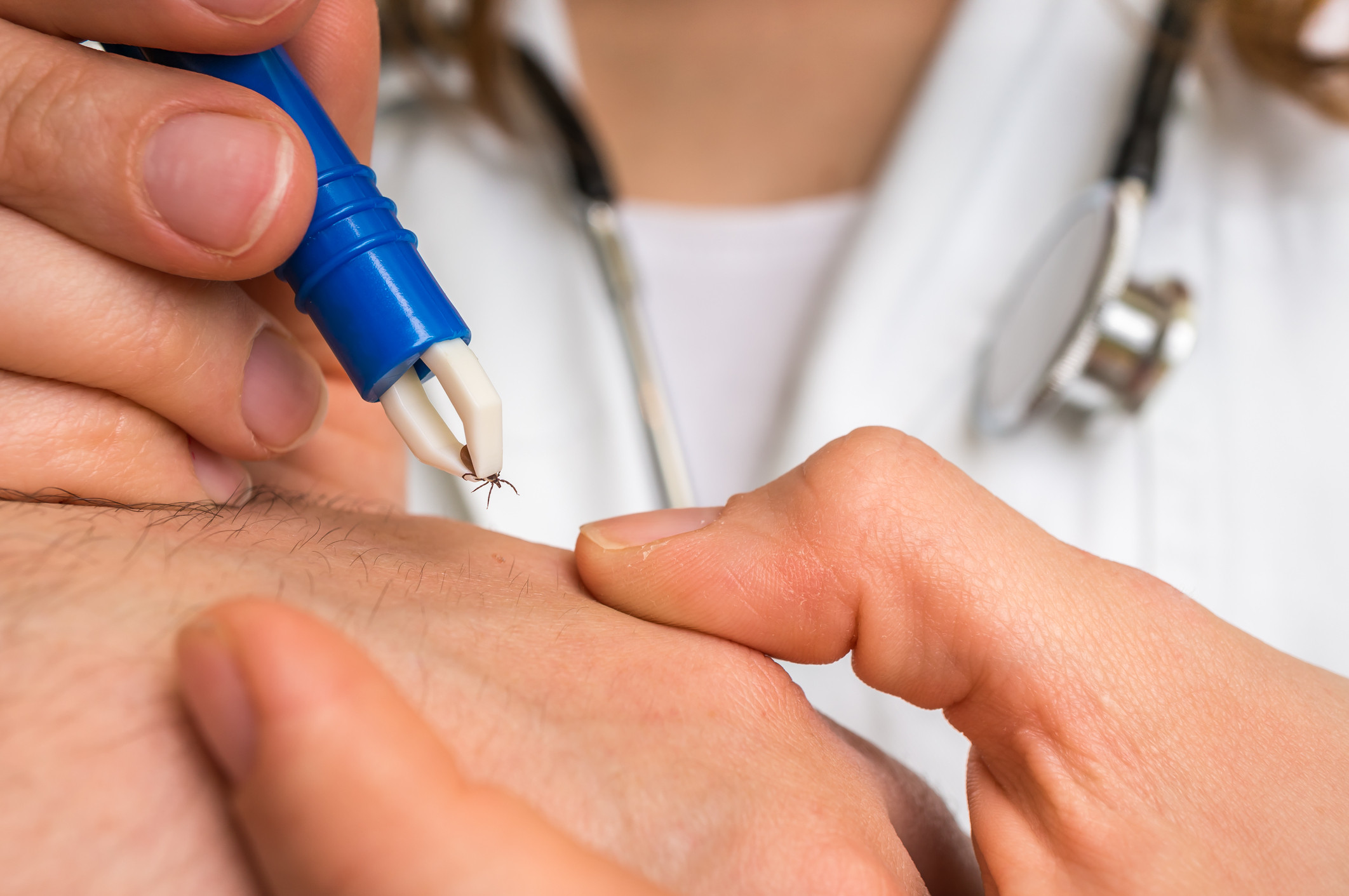
Lyme disease is a bacterial infection that is spread to humans through the bite of infected blacklegged ticks. If not treated promptly with antibiotics, the infection can spread to joints, the heart, and the nervous system.
Signs and Symptoms
The first sign of Lyme disease is usually a red, swollen rash called erythema migrans or EM rash. The rash appears at the site of a tick bite about 3 to 30 days after being bitten. It can reach up to 12 inches (30 cm) across. Some people do not get a rash. Other early signs and symptoms may include:
- Fatigue
- Fever
- Headache
- Muscle and joint aches
- Swollen lymph nodes
If not treated, later signs and symptoms can involve the joints, heart, or nervous system. These include:
- Severe headaches and neck stiffness
- Additional EM rashes on other areas of the body
- Arthritis with severe joint pain and swelling, particularly in the knees and other large joints
- Facial palsy (loss of muscle tone or droop on one or both sides of the face)
- Irregular heart rate or heart block (dissociation between electrical and mechanical activity of the heart)
- Shooting pains, numbness, or tingling in the hands or feet
Diagnosis and Testing
If symptoms occur, blood tests are done to check for antibodies the body makes in response to B. burgdorferi infection. Since it takes time for antibodies to form after exposure, testing for antibodies is not usually helpful in the first few weeks after a tick bite. If antibodies are found, it is suggestive of Lyme disease but not definitive. Other laboratory tests such as spinal fluid analysis may be done if infection of the nervous system is suspected.
When to Seek Treatment
Anyone who has had a bullseye rash or other symptoms consistent with early Lyme disease following a tick bite or time spent in a wooded area should see a doctor for evaluation and potential antibiotic Lyme Disease Treatment. Do not wait for antibody test results before starting treatment if symptoms suggest acute Lyme disease. Early treatment with appropriate antibiotics usually eliminates the infection and prevents complications.
Lyme Disease Treatment Options
The mainstay of Lyme disease treatment is antibiotics. For most patients, being treated with the appropriate antibiotic early after infection will eliminate the infection and prevent further complications.
- Doxycycline is commonly used for adults and children over 8 years old to treat earlylocalized or early disseminated infection. It is taken twice a day for 14 to 21 days.
- Amoxicillin is an alternative oral antibiotic for children under 8 and pregnant women to treat early localized infection. It is given twice a day for 14 to 21 days.
- Cefuroxime axetil can be used for penicillin-allergic patients.
- Intravenous (IV) ceftriaxone or penicillin is used for patients with later disseminated infection involving the nerves, joints or heart. Treatment is usually daily IV antibiotic infusions for 2 to 4 weeks.
- Retreatment with oral antibiotics may be needed if symptoms of Lyme arthritis persist or recur after initial infection treatment.
- Herbal therapies and supplements have not been proven effective for treating Lyme disease and may interact adversely with antibiotics if used concurrently. Consult a doctor before using herbal remedies.
Preventing Lyme Disease Complications with Early Treatment
Seeing a doctor quickly after known or possible tick exposure is very important to prevent serious chronic complications from Lyme disease. While most patients recover completely with appropriate antibiotic treatment, a small percentage may experience ongoing symptoms like fatigue, joint pain, or cognitive difficulties despite standard Lyme disease treatment. This is sometimes called Post-Treatment Lyme Disease Syndrome or PTLDs. Causes of persistent symptoms are still under investigation. Management may involve further observation, retreatment with antibiotics in selected cases, physical therapy, or symptom management approaches. Ongoing research aims to improve outcomes for patients affected by Lyme disease long-term.
Get More Insights on Lyme Disease Treatment