Rise of LED Lighting and its Impact on our Future

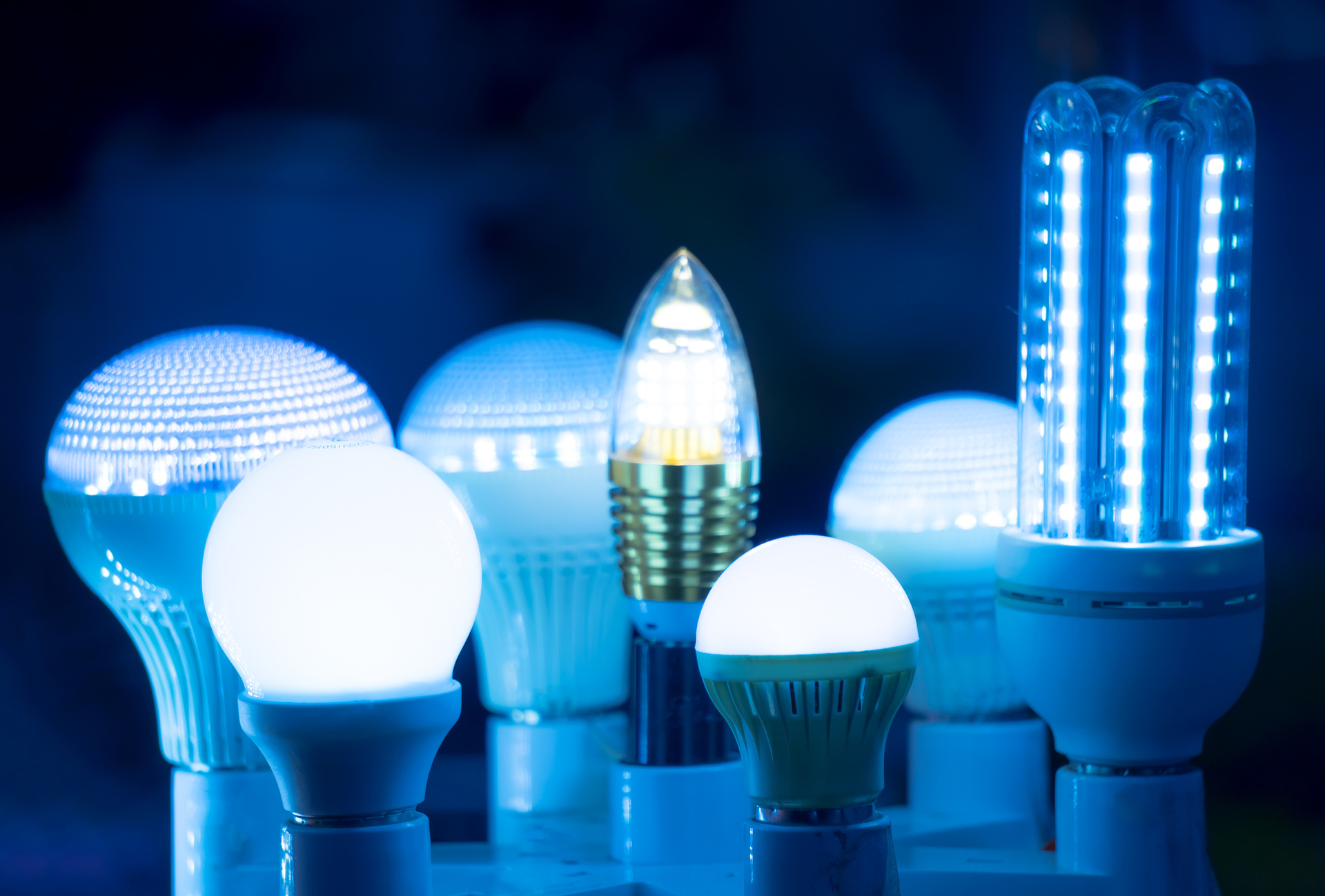
Light-emitting diode (LED) lighting technology has revolutionized the lighting industry in recent years and is poised to transform how we light our homes, cities and environment. LED lamps consume up to 90% less energy and last 25-30 times longer than incandescent bulbs. With their host of benefits, LEDs have emerged as the next generation lighting solution. This article explores the rapid growth of LEDs, the technology behind them and their potential to positively impact energy consumption and environment in the years to come.
History and Growth of LED Lighting:
The first LED was developed in 1962 by Nick Holonyak at General Electric but they were not bright or efficient enough for illumination applications. In the 1980s, visible LEDs hit the market but they were still very expensive. It was in the 1990s that high brightness LEDs were developed making them viable for low-power indicator lamps and small displays. The real revolution began in the 2000s as improvements in materials and epitaxial growth processes boosted light output while reducing cost. By 2010, LED lamps came to mass market and began replacing incandescents and compact fluorescents rapidly.
According to research, LED Lighting will account for over 50% of global lighting sales by 2025. By 2030, LEDs will make up more than 90% of all LED luminaires installed worldwide. This rapid growth can be attributed to increasingly affordable prices and high efficacy combined with long lifetime. LED makers like Samsung, LG and Philips have mass produced them leading to economies of scale while technological innovations reduced manufacturing costs substantially. The widespread consumer and government acceptance cemented the future of LEDs.
- Technology behind LED Lighting
LEDs work on the principle of electroluminescence i.e. when an electric current flows through a semiconductor diode, it emits light. LEDs have a basic p–n junction structure made from compound semiconductor materials like gallium arsenide or gallium phosphide. When an electron meets a lattice hole, energy is released in the form of a photon. This is how LEDs emit colourful light.
While traditional bulbs only produce light through heat, LEDs can be built to emit specific wavelengths that translate to different colors. By varying their composition and selecting right semiconductor materials, LEDs can produce any color from infrared to ultraviolet, allowing the development of multi-chromatic lighting. Now common LED bulbs contain a mix of blue LED chips along with yellow phosphor coating which produces white light for lighting applications.
New materials like GaN (gallium nitride), AlGaInP and nanotechnology have enabled LED lighting to be far more efficient. Today high-performance LED modules achieve light conversion efficiencies of over 200 lumens per watt. Coupled with their long lifespan, LEDs massively reduce energy consumption and operating costs over time.
- Benefits of LED Lighting
LED lighting offers a multitude of benefits that have accelerated its adoption worldwide:
Energy Efficiency: LED lamps use 70-90% less power than incandescent bulbs to produce the same lumens of light. Compared to CFLs, LEDs use 20-30% less energy which adds up to huge savings. There is also no energy wastage as heat.
Long Lifespan: LED lamps can last 25,000-50,000 hours which is 25-50 times longer than incandescent bulbs. Even CFL bulbs only last 8000-10000 hours. This drastically cuts replacement and maintenance costs.
Durability: LED lights have no filaments or glass enclosures to break. They withstand vibrations, shocks and temperature variations better. Outdoor and industrial LED lights can withstand harsh environments.
Environment Friendly: LED lighting is mercury-free and more eco-friendly than CFLs which contain toxic mercury. They also curb CO2 emissions by consuming less energy for lighting homes and infrastructure.
Flexibility: LED lights offer adjustable brightness, various beam angles, shapes and sizes ideal for different applications. They are dimmable and can be integrated into existing fixtures and circuits seamlessly.
Cost Savings: Although the upfront cost is higher, LEDs pay for themselves within 1-2 years through energy cost savings. Maintenance is also cheap and they lasts 5-10 times longer than other lights saving replacement costs.
Smart Control: LED drivers allow advanced controls like dimming, scheduling, occupancy sensors etc which boost efficiency and convenience. They also enable connectivity with IoT platforms.
With their green credentials and cost-effectiveness, LED lighting is revolutionizing homes, cities and industries helping transition to a sustainable future powered by efficient illumination. It is enabling designers to think out-of-the-box about architectural designs too.
Impact of LED Adoption
The widespread adoption of LED lights globally is having transformational impacts on energy consumption and environment:
- By 2027, LED lighting is expected to avoid over 560 million tons of CO2 emissions globally which is equivalent to taking 120 million cars off the road annually. This significantly contributes to climate change mitigation.
- Over the next decade, LED lights could save about $375 billion for consumers in electricity costs worldwide. Huge savings at individual, community and national level.
- Cities and municipalities switching to LED streetlights reported savings upwards of 60%. Funds are then reinvested into upgrade projects or public services.
- Commercial sectors adopting LEDs can cut lighting energy use by 50-70% lowering operational costs. Retrofit payback periods of 1-3 years are common.
- Manufacturers gain competitive advantage with LED lights that enhance productivity, safety and reduce carbon footprint and electricity bills.
- LEDs enable off-grid and outdoor applications earlier not possible. Farmers use them for greenhouse lighting and boost crop yields.
- With their long life, LEDs curb environmental impacts of constant bulb replacements. Only fraction of toxic e-waste is generated compared to traditional lighting.
With its energy efficiency, flexibility and environmental benefits, LED lighting has emerged as the future of illumination. Massive investments in R&D and manufacturing capacities are pushing down costs further. As LEDs continue penetrating new applications, global energy demand and GHG emissions from lighting will plummet in coming decades. Both consumers and policymakers must continue supporting this green transition to optimize energy savings and benefits. LEDs will play a pivotal role in transition to a sustainable world powered by clean and efficient lighting solutions.