Demystifying Outboard Engines Understanding Components, Operation, and Future Innovations

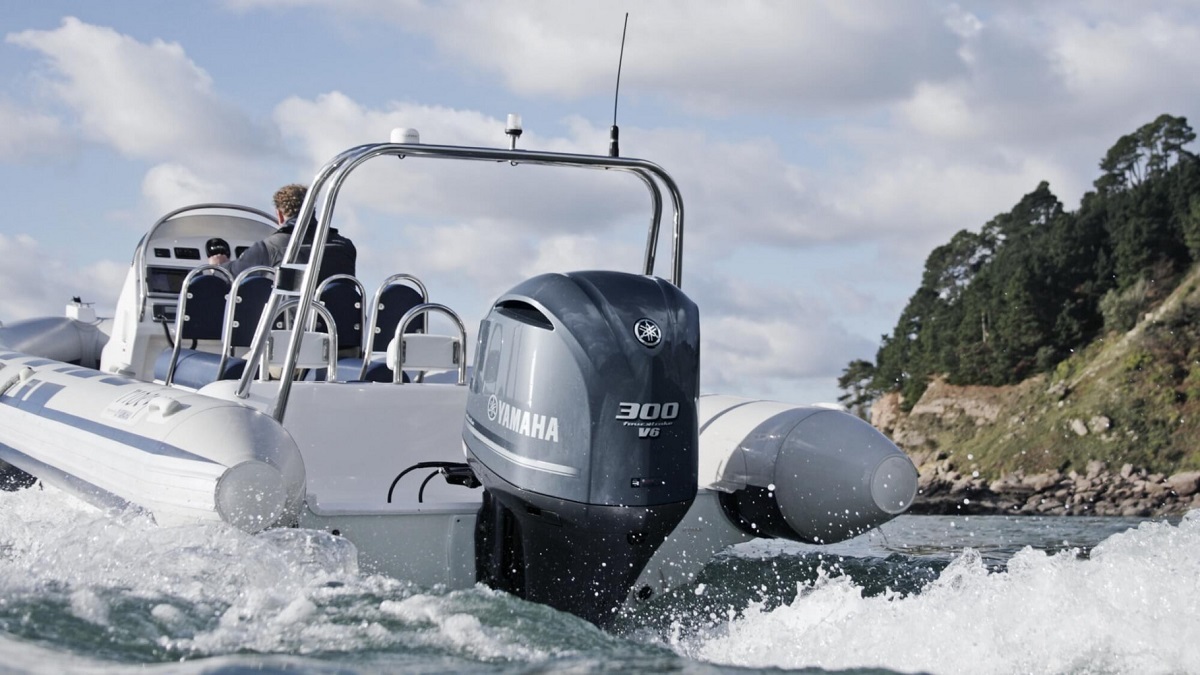
Outboard engines have become a very popular choice for powering both small and large watercraft over the past few decades. As boating becomes more accessible to average consumers, learning about outboard engines and how they function is important. This article will break down the major components and inner workings of an outboard motor.
Powerhead
At the heart of any outboard engine is the powerhead. This is the cylinders, pistons, valves and other engine components that generate power through fuel combustion. Most recreational outboards utilize either a 2-stroke or 4-stroke engine design. 2-stroke engines mix fuel and oil together for each power stroke, while 4-stroke engines separate the intake, compression, power and exhaust strokes into a classic four cycle process.
Fuel and Ignition Systems
To operate, an outboard needs a continuous fuel supply. Most recreational engines utilize a carburetor to mix air and gasoline for combustion. Larger motors may employ multipoint or direct fuel injection. An ignition system featuring spark plugs ignites the compressed air/fuel mixture in the cylinders. Digital ignition and ECU electronic engine control have improved reliability in modern outboards.
Cooling System
Outboard Engines work very hard and generate a lot of heat that needs to be dissipated. Most employ a water cooling system where a lower gearcase pump circulates water from the body of water the boat is traveling through. This water jacket flows around the engine block absorbing heat before expelling warm water back overboard. Thermostats regulate water flow for optimal temperature control.
Reduction Gears
One unique component of outboard motors is the gearcase housing located below the powerhead. Gears inside reduce the high RPM engine output to a lower rotation better suited for propeller drive. Common gear ratio steps are 2:1 or 3:1 reduction. An integrated lower unit then incorporates the drive shaft and propeller.
Steering and Tilt/Trim Systems
Outboard operators need precise control of the direction and angle their engine drives their boat. Steering systems employ rack and pinion or helm control cables to turn the swivel action lower gearcase and redirect thrust. Tilt/trim systems allow adjustment of the engine angle for optimum performance in various boatloading and operating conditions. Hydraulic cylinders often power these adjustments.
Transom Mounts and Power Ratings
Outboard engines universally mount to the rear of boats using standardized transom mounts and clamping systems. Engine power is commonly rated in horsepower but can also be given in kilowatts or metric horsepower. Matching the right horsepower outboard to boat type and intended usage is important for safety, fuel efficiency and performance.
Inboard/Outboard and V-Drive Options
Some large boats employ "stern drive" or "inboard/outboard" configurations where the outboard powerhead is connected to an inboard mounted gearcase for added boat stability. More recently "V-Drive" systems have emerged placing the lower gearcase and propeller at a V-angle to the powerhead for deep V hull compatibility.
Ongoing Innovation
Engine manufacturers continue advancing outboard technology with direct fuel injection, electronic ignition and controls, and lower emissions. Multi-stage induction systems and tuned exhaust improve efficiency. Lithium polymer battery suppliers contribute lighter starting systems. Digital engine monitoring offers troubleshooting aids. As boat use diversifies, fully electric and hybrid electric outboards may emerge commercially within the next decade.
Explore more information on this topic, Please visit-
https://www.newsstatix.com/outboard-engines-share-size-and-growth-share-trends-analysis-demand-forecast/