Navigating Innovation Marine Actuators and Valves in Extreme Environments

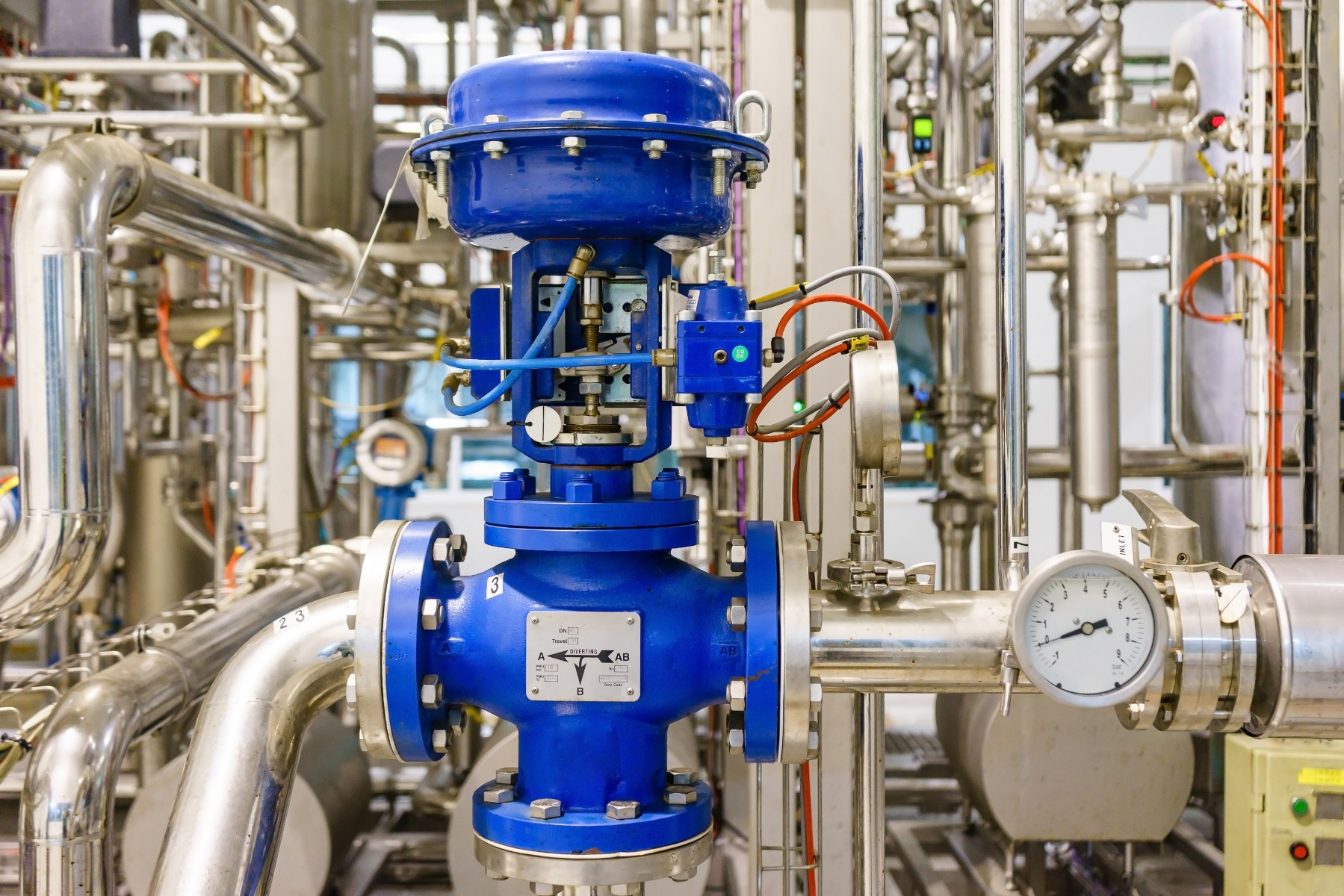
As industries continually push the boundaries of engineering and technology, the marine sector faces unique challenges in designing systems that can withstand extreme environments. Onboard ships, actuators and valves play a vital role in controlling fluid flow, generating motion, and ensuring safety. This article explores the importance of marine actuators and valves and highlights the latest innovations in this field.
Introduction to Marine Actuators and Valves
Marine actuators and valves are essential components used across diverse ship systems for applications like propulsion, steering, ballast control, firefighting, and more. Actuators convert various forms of energy like hydraulic, pneumatic or electric power into linear or rotary motion needed for open/close operations. Valves regulate the flow, pressure, and level of liquids and gases on ships. Both actuators and valves must be robust, compact, corrosion-resistant, and capable of functioning reliably even in harsh ocean conditions for years.
Hydraulic Actuators for Propulsion and Maneuvering
Some of the most critical systems on ships rely on hydraulic actuators for operation. For example, propulsion systems use hydraulic actuators to actuate the pitch and azimuth thrusters that power and steer the ship. These actuators are subjected to high mechanical loads and pressures. Leading manufacturers are developing intelligent actuators with integrated electronics and diagnostics for condition monitoring. Duplex stainless steel actuators optimized for seawater applications are also gaining popularity in the marine sector.
Valves for Engine Room, Ballast, and Firefighting Systems
A wide array of Marine Actuators And Valves control the flow of varied media throughout a ship. In engine rooms, valves regulate fuel, lubrication, cooling, and exhaust systems. Ballast valves maintain the ship's stability by allowing water intake and discharge. In hazardous areas, specially certified fail-safe valves minimize fire and explosion risks. Top manufacturers are focusing on valve automation and condition monitoring to reduce maintenance needs. Compact, modular designs with fewer components also improve serviceability.
Alternative Actuation Methods - Electric and Pneumatic Systems
While hydraulic systems dominate marine actuation, electric and pneumatic options are increasing due to their advantages. Electric linear actuators reduce pipe routing complexity and have fewer leak points compared to hydraulic actuators. They support alternatives like battery-electric ships to lower emissions. Pneumatic actuators find applications in deck machinery and confined spaces where electricity may not be available or safe. Actuator manufacturers are enhancing product portfolios to support the industry's transition toward more electric and automated ships.
Ensuring Reliability Through Corrosion Protection and Condition Monitoring
As ships operate for extended periods at sea exposed to saltwater, humidity, and extreme temperatures, corrosion poses a challenge for actuators and valves. Leading suppliers address this with stainless steel designs optimized for marine conditions. They also offer specialized coatings, jackets, and encapsulation to protect internal components. Meanwhile, condition monitoring technologies integrated into actuators and valves help predict maintenance needs, reduce downtime, and improve safety through early failure detection. This allows easier compliance with classification society regulations
Explore more information on this topic, Please visit-
https://www.newsstatix.com/marine-actuators-and-valves-share-size-and-growth-share-trends-analysis-demand-forecast/