Metastatic Melanoma Therapeutics: A History of Advancement and Hope

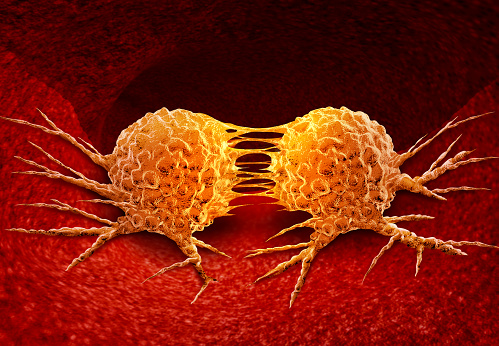
Melanoma is one of the deadliest forms of skin cancer that occurs when unrepaired DNA damage to skin cells triggers mutations that lead to uncontrolled growth and spread. While early-stage melanoma is generally curable through surgical removal of the tumor, advanced or metastatic melanoma remains an aggressive disease that has historically been difficult to effectively treat. However, there have been significant advancements in metastatic melanoma therapeutics over the past decade that are providing renewed hope for patients facing this disease.
Emergence of Immunotherapies
One of the major breakthroughs has been the development of immunotherapy drugs that help mobilize the body's own immune system to fight cancer cells. Pioneering clinical trials in 2010 first demonstrated that ipilimumab, a CTLA-4 blocking antibody, could improve survival outcomes for patients with advanced melanoma, opening up a new chapter in the treatment of this disease. This established immunotherapy as a viable therapeutic option and spurred further research.
Subsequent studies led to the FDA approval of the first PD-1 inhibitors, pembrolizumab and nivolumab in 2014. These drugs work by blocking another immune checkpoint, PD-1, which cancer cells use to evade detection by T cells. Clinical trials showed response rates over 40% with immunotherapy alone, a vast improvement over chemotherapy. Combined immunotherapy using ipilimumab and nivolumab was also found significantly more effective than either drug alone.
Targeted Molecular Therapies
Advances were also made in targeted molecular therapies that home in on specific genetic mutations driving melanoma growth. Approximately 50% of melanomas have an activating BRAF mutation, most commonly BRAF V600E. In 2011, the FDA approved vemurafenib, the first targeted BRAF inhibitor drug shown to significantly improve survival compared to chemotherapy in clinical trials.
Another BRAF inhibitor, dabrafenib, received FDA approval in 2013. Combining a BRAF inhibitor like vemurafenib or dabrafenib with a MEK inhibitor such as trametinib was found to further enhance survival benefits, improving progression-free survival by over 50% compared to BRAF inhibitors alone. Currently available combinations for BRAF-mutant melanoma include vemurafenib plus cobimetinib, dabrafenib plus trametinib, and encorafenib plus binimetinib.
Adoption of Multidisciplinary Treatment Approaches
With the expanding arsenal of effective targeted and immunotherapy drugs, treatment of Metastatic Melanoma Therapeutics has evolved to increasingly incorporate multidisciplinary treatment paradigms. Combination therapies leveraging different drug classes have become the standard of care, as has the sequential use of available therapeutic options.
For example, immunotherapy may be used initially, and if the cancer progresses, switching to targeted therapy if a targetable mutation is present. Alternatively, targeted therapy can be given first followed by immunotherapy at the time of progression. In some cases, a combination of these modalities may be used together or in quick sequence to overcome resistance and maximize outcomes. Vigilant monitoring remains essential to tailor treatments based on individual tumor response patterns.
Improving Survival and Quality of Life
The advent of effective precision medicines and immunotherapies has dramatically improved metastatic melanoma patient survival and quality of life compared to just a decade ago. Five-year relative survival is now over 30%, more than double from just 15% in the 1990s. Median overall survival with current standard therapies averages over 2 years and continues climbing higher with newer drug developments.
Additionally, immunotherapy and targeted therapies tend to have fewer severe side effects than traditional chemotherapy, leading to an improved safety profile. Many patients have even experienced durable remission from their cancer for years. While advanced melanoma remains incurable for most, today's therapeutics are providing renewed hope and longer life expectancy where none existed before. With continued advances optimizing combination regimens and developing new drug classes, the outlook is expected to further brighten in the coming years.
Emerging Drug Pipeline
There remains an active clinical research pipeline exploring new therapeutic strategies. Areas of investigation include next-generation immunotherapy approaches like vaccines, oncolytic viruses, and CAR T-cell therapies. Combining immunotherapies with radiation is an emerging concept, as is dual immunotherapy combining agents that target different immune checkpoints.
New targeted drugs are also in development against uncommon genetic alterations like NF1 or KIT mutations seen in a subset of melanomas. Agents exploring synergies between targeted and epigenetic modifiers show early promise as well. Personalized therapies tailored based on multi-omic profiling may further optimize response rates. With continued investment and breakthroughs, metastatic melanoma may one day achieve long-term remission or even cure rates on par with early-stage disease. Only time will tell, but the future certainly looks brighter than ever for those facing this aggressive skin cancer.
Get More Insights on this Topic- https://www.marketwebjournal.com/metastatic-melanoma-therapeutics-current-treatment-landscape-and-future-prospects/