Innovations in Adhesive Technology for Medical Tapes

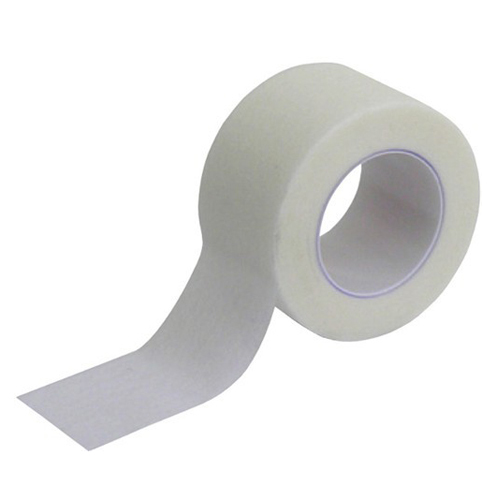
Medical Tapes: A Crucial Component of Healthcare
In the vast and intricate landscape of modern healthcare, there are countless elements that contribute to patient well-being. One often-overlooked but indispensable aspect is medical tapes. These unassuming adhesive strips are an essential tool in medical settings, serving a multitude of purposes that are integral to patient care, wound management, and surgical procedures. In this article, we will explore the world of medical tapes, shedding light on their various types, applications, and the significance they hold within the healthcare domain.
Diverse Types of Medical Tapes:
Medical tapes come in a plethora of types, each designed to cater to specific needs within the healthcare spectrum. Here are some of the most commonly used varieties:
- Paper Tapes: Known for their gentleness and breathability, paper tapes are often the choice for securing lightweight dressings and bandages. They are especially suited for patients with sensitive skin.
- Cloth Tapes: Cloth tapes, sturdy and versatile, are employed in securing dressings, tubing, and splints. Their excellent adhesion and conformability make them a reliable choice in many healthcare scenarios.
- Transparent Tapes: When visibility of the wound or device beneath the tape is crucial, transparent medical tapes are employed. They find extensive use in situations such as IV sites and wound dressings.
- Silicone Tapes: Silicone tapes offer the advantage of being gentle on the skin while providing reliable adhesion. They are commonly employed in cases where patients have allergies to traditional adhesive materials.
- Foam Tapes: Characterized by their cushioning effect, foam tapes are essential for securing medical devices and dressings while simultaneously reducing the risk of pressure sores.
- Hypoallergenic Tapes: Designed with sensitive individuals in mind, hypoallergenic tapes minimize the risk of skin irritation or allergic reactions, ensuring patient comfort and safety.
Wide-Ranging Applications in Healthcare:
The applications of medical tapes are as diverse as the types themselves, with an extensive range of uses in healthcare settings:
- Wound Care: Medical tapes are primarily used to secure wound dressings, creating a protective environment conducive to healing while preventing contamination.
- Surgical Procedures: Surgeons rely on medical tapes to secure surgical drapes, tubing, and various devices during procedures, maintaining a sterile environment and ensuring patient safety.
- IV and Catheter Securement: In the realm of intravenous therapies and catheterization, medical tapes play a pivotal role in keeping lines securely in place, minimizing the risk of dislodgment and infection.
- Orthopedics: Medical tapes are indispensable in orthopedic care, facilitating the immobilization and stabilization of splints and casts.
- Pediatric and Geriatric Care: In pediatric settings, medical tapes are often adorned with colorful patterns to make medical procedures less intimidating for children. In contrast, for elderly patients with fragile skin, gentle and hypoallergenic tapes are employed to prevent skin damage.
Innovations in Adhesive Technology:
Advancements in adhesive technology have ushered in a new era of performance and comfort in the realm of medical tapes. Some notable innovations include:
- Silicone Adhesives: Silicone-based adhesives offer gentle yet secure attachment, making them ideal for sensitive skin and delicate applications.
- Hydrocolloid Technology: Medical tapes with hydrocolloid bases create a moist environment, promoting optimal wound healing by keeping the area hydrated and free from contaminants.
- Antimicrobial Tapes: A breakthrough in infection control, these tapes are infused with antimicrobial agents to mitigate the risk of infections when securing medical devices.
- Breathable Tapes: Tapes designed to allow air circulation prevent skin maceration while ensuring strong adhesion.
- Easy Removal Tapes: Innovations in adhesive formulations have resulted in tapes that can be removed with ease, reducing the risk of skin trauma and discomfort.
Best Practices in Medical Tape Application:
The proper application of medical tapes is vital to ensure patient comfort and safety. Some best practices include:
- Skin Preparation: Always clean and dry the skin before applying medical tape to ensure optimal adhesion and reduce the risk of infection.
- Avoid Stretching: Refrain from stretching the tape during application, as this can lead to skin trauma when the tape contracts back to its original state.
- Skin Sensitivity Assessment: Consider the patient's skin condition when selecting the appropriate tape type to prevent irritation or allergies.
- Regular Inspection: Periodically examine the tape and the surrounding skin for signs of irritation, infection, or complications.
- Gentle Removal: When it's time to remove the tape, do so gently, following the direction of hair growth to minimize trauma to the skin.
In conclusion, medical tapes are the unsung heroes of the healthcare realm, fulfilling myriad roles that contribute to the overall well-being of patients. With ongoing innovations in adhesive technology, these unassuming strips continue to evolve, becoming more versatile, comfortable, and reliable. Adherence to best practices in tape application ensures that patients receive the best possible care while minimizing the risk of complications. As technology continues to advance, we can expect even further improvements in medical tape design and functionality, solidifying their essential role in patient care.
Read Our More Blogs : https://healthcarenewsbulletin.blogspot.com/2023/09/the-role-of-medical-tapes-in-wound-care.html