Epileptic Seizures Treatment: Approaches, Medications, and Advances

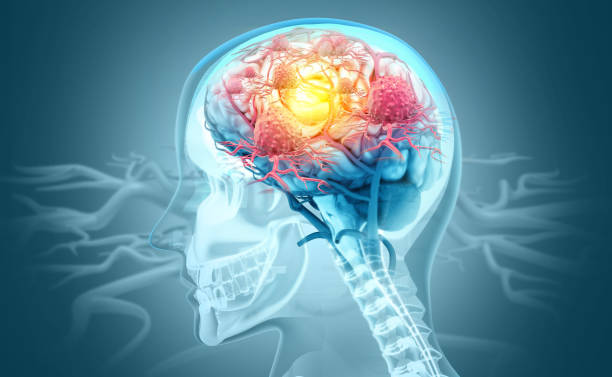
Epileptic seizures are a neurological disorder characterized by sudden and unpredictable episodes of abnormal brain activity. These seizures can range from mild to severe and have a significant impact on an individual's quality of life. Fortunately, there are various treatment options available to help manage and control epileptic seizures. This article explores the approaches, medications, and recent advances in the treatment of epileptic seizures.
Introduction
Epileptic seizures can disrupt daily life and pose safety risks, making effective treatment crucial for individuals living with epilepsy. Treatment aims to reduce the frequency and intensity of seizures, improve quality of life, and minimize adverse effects of medications.
Approaches to Treatment
-
Medication: Antiepileptic drugs (AEDs) are the primary treatment for controlling seizures. These medications work by stabilizing the brain's electrical activity. Finding the right AED and dosage is a personalized process, as responses can vary among individuals.
-
Lifestyle Modifications: Certain lifestyle changes can complement medication in managing seizures. Adequate sleep, stress reduction, and avoiding seizure triggers like alcohol or certain foods can help prevent episodes.
-
Ketogenic Diet: The ketogenic diet, high in fats and low in carbohydrates, has shown effectiveness in reducing seizures, particularly in children whose seizures are not well-controlled by medication. The diet mimics the metabolic state of fasting, which can reduce seizure activity.
-
Vagus Nerve Stimulation (VNS): VNS is a surgical option where a device is implanted under the skin to stimulate the vagus nerve, which connects to the brain. VNS can reduce seizure frequency and severity in some patients.
-
Responsive Neurostimulation (RNS): RNS involves implanting a device in the brain that detects abnormal electrical activity and delivers targeted electrical stimulation to prevent seizures before they occur.
Antiepileptic Medications
-
First-Line Medications: Commonly prescribed first-line AEDs include carbamazepine, valproic acid, and levetiracetam. These medications are often effective in controlling seizures with manageable side effects.
-
Second-Line and Adjunctive Medications: If first-line treatments are ineffective or cause intolerable side effects, healthcare providers may prescribe second-line AEDs or use them in combination with other medications to enhance seizure control.
-
Side Effects and Monitoring: AEDs can have side effects ranging from mild to severe. Regular monitoring and adjusting medications under medical supervision are essential to manage these effects.
Recent Advances
-
Precision Medicine: Advances in genetics and personalized medicine allow for tailored treatment plans based on an individual's genetic profile and responsiveness to specific medications.
-
Cannabidiol (CBD): CBD, a non-psychoactive compound derived from the cannabis plant, has shown promise in reducing seizures, particularly in certain forms of epilepsy, such as Dravet syndrome and Lennox-Gastaut syndrome.
-
Neurostimulation: Emerging neurostimulation techniques, such as transcranial magnetic stimulation (TMS) and transcranial direct current stimulation (tDCS), are being explored for their potential in modulating brain activity and reducing seizure frequency.
-
New Medications: Ongoing research is identifying novel AEDs with different mechanisms of action, potentially expanding treatment options and improving seizure control.
Considerations for Treatment
-
Individualized Approach: Each person's epilepsy is unique, requiring a customized treatment plan based on seizure type, frequency, and response to medication.
-
Medication Adherence: Consistently taking prescribed medications is vital for effective seizure control. Skipping doses can lead to breakthrough seizures.
-
Long-Term Management: Managing epilepsy is a lifelong commitment. Regular follow-ups with healthcare providers are necessary to monitor progress, adjust medications, and address any emerging challenges.
-
Psychosocial Support: Epilepsy can have psychological and emotional effects. Support groups, counseling, and education can help individuals and their families cope with the challenges.
Conclusion
Epileptic seizures can be disruptive and distressing, but advancements in treatment options offer hope for effective seizure control and improved quality of life. From medication and lifestyle modifications to surgical interventions and emerging therapies, individuals with epilepsy have a range of options to explore in collaboration with their healthcare providers. A personalized approach, adherence to treatment plans, and staying informed about the latest developments are key to managing epileptic seizures and achieving optimal outcomes.