Advances and Applications of Intrathecal Pumps in Pain Management: A Comprehensive Review

Introduction:
Pain management is an essential aspect of healthcare, and chronic pain affects millions of people worldwide. Traditional methods of pain control, such as oral medications, injections, and physical therapy, may not always provide effective relief, especially for patients with severe and chronic pain conditions. In recent years, intrathecal pumps have emerged as a revolutionary technology that offers targeted and efficient pain management for individuals who have exhausted other treatment options. This comprehensive review explores the advances and applications of intrathecal pumps in pain management, highlighting their benefits, limitations, and potential future developments.
I. Understanding Intrathecal Pumps:
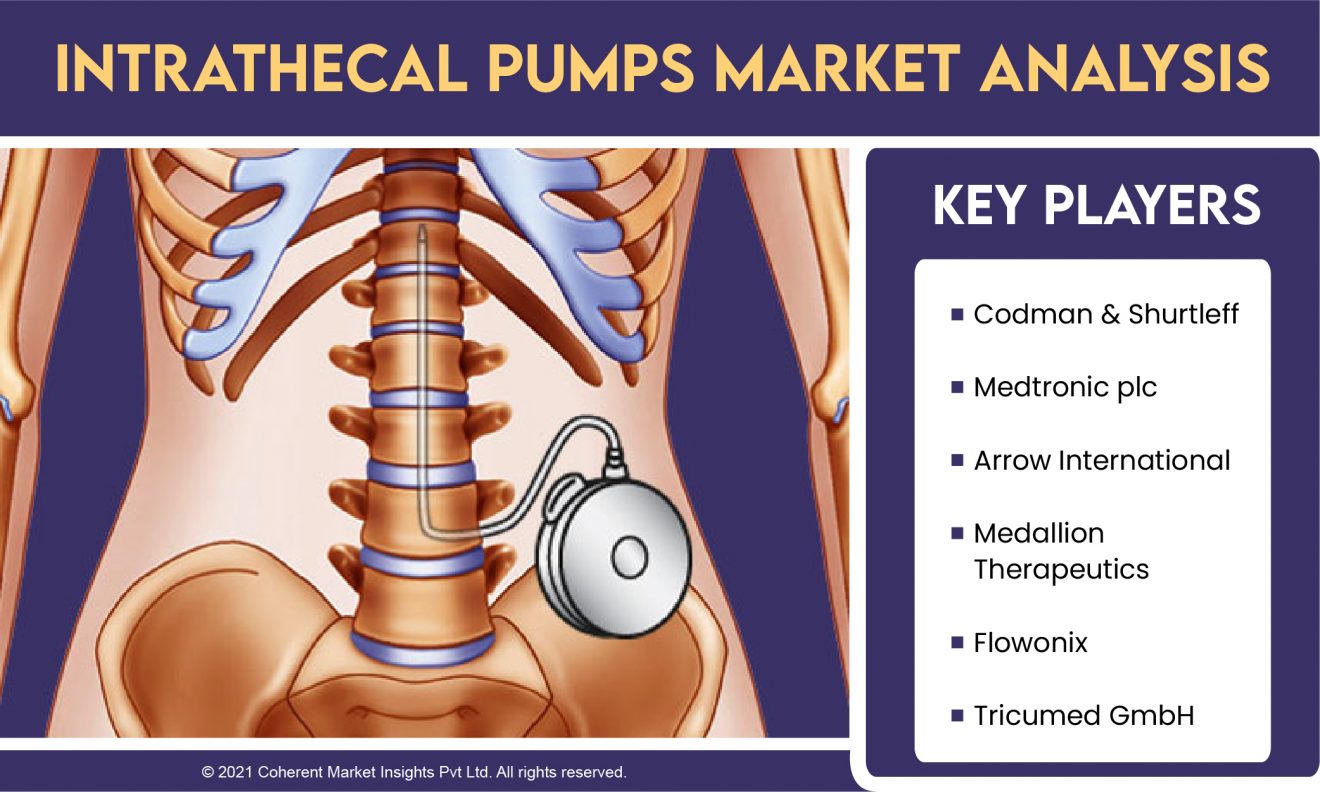
Intrathecal pumps, also known as spinal drug delivery systems, are implantable devices that deliver medications directly into the intrathecal space surrounding the spinal cord. These pumps are designed to bypass the blood-brain barrier, enabling drugs to act specifically on the pain receptors in the spinal cord. The medications used in these pumps often include opioids, local anesthetics, and other analgesics.
II. Advantages of Intrathecal Pumps:
One of the primary advantages of intrathecal pumps is their ability to provide targeted pain relief with lower doses of medications compared to oral administration. This targeted approach minimizes the side effects associated with high systemic drug levels, such as drowsiness, constipation, and respiratory depression, which are common with traditional oral opioid therapy. By delivering drugs directly to the spinal cord, intrathecal pumps can also achieve faster pain relief and avoid the fluctuations in drug levels seen with oral medications.
III. Applications in Pain Management:
Intrathecal pumps have proven to be effective in managing various chronic pain conditions, including cancer-related pain, failed back surgery syndrome, neuropathic pain, and complex regional pain syndrome. Patients who have not experienced adequate pain relief with conventional therapies may find significant improvement with intrathecal pumps. Furthermore, these devices can enhance the quality of life for terminally ill cancer patients by providing palliative pain management without the sedative effects often associated with high-dose opioids.
IV. Patient Selection and Implantation Process:
The selection of suitable candidates for intrathecal pump implantation is crucial for successful pain management outcomes. Patients should undergo a thorough evaluation, including medical history, physical examination, imaging studies, and psychological assessment. The implantation procedure involves a trial phase wherein the patient receives a temporary intrathecal catheter to assess the effectiveness of the drug delivery system before permanent implantation.
V. Limitations and Challenges:
While intrathecal pumps offer several benefits, they are not without limitations and challenges. Technical complications, such as catheter displacement or pump malfunction, may occur, necessitating further intervention. Additionally, the long-term use of opioids may lead to tolerance, requiring periodic adjustments to the medication regimen. Psychological factors and patient compliance also play a significant role in the success of intrathecal pain management.
VI. Future Directions and Innovations:
Advancements in medical technology continue to improve intrathecal pump systems. Researchers are exploring new drug formulations and alternative medications to enhance pain relief while reducing side effects. Furthermore, ongoing studies are investigating the use of neuromodulation techniques and closed-loop systems to provide more personalized and adaptive pain management strategies.
Conclusion:
Intrathecal pumps have emerged as a valuable tool in pain management, providing targeted relief for individuals suffering from chronic and debilitating pain conditions. Despite some challenges, ongoing research and technological advancements hold promise for further enhancing the efficacy and safety of these devices. As our understanding of pain mechanisms and drug delivery systems evolves, intrathecal pumps are likely to play an increasingly vital role in improving the quality of life for countless patients struggling with chronic pain.