Driving Cybersecurity Forward: The Growing Out-of-Band Authentication Market

In today's interconnected digital world, the rise of cyber threats has become a paramount concern for individuals and organizations alike. The traditional username-password method of authentication has proven to be increasingly vulnerable to hacking attempts, making it essential to explore more robust security measures. Enter out-of-band authentication (OOBA), an innovative and highly effective approach that is propelling cybersecurity forward. The OOBA market is experiencing rapid growth, and for all the right reasons.
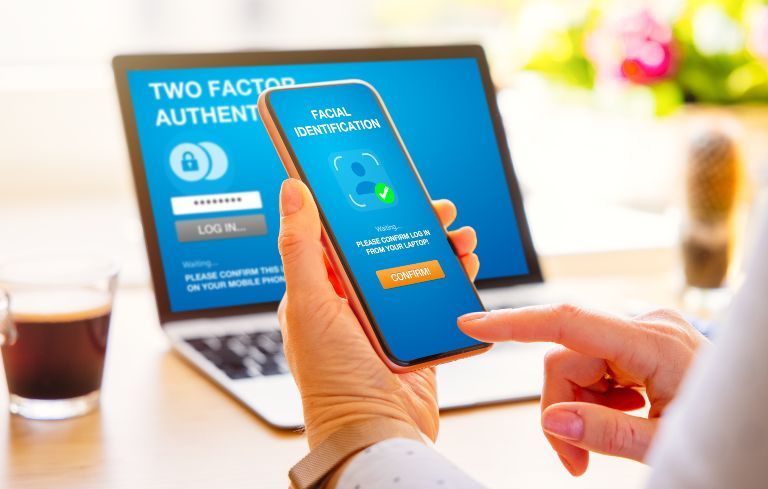
Out-of-band authentication refers to a multi-factor authentication method that utilizes two separate channels to verify a user's identity. Typically, it involves the use of a primary channel (like a computer) and a secondary channel (such as a mobile device). The authentication process requires the user to respond to a prompt or enter a code sent to their secondary channel, ensuring an additional layer of security. This approach is a game-changer as it effectively thwarts many common cyber threats, such as phishing and man-in-the-middle attacks.
The growing out-of-band authentication market can be attributed to several factors. First and foremost, its effectiveness in preventing unauthorized access and data breaches has gained the attention of enterprises of all sizes. As high-profile cyberattacks continue to make headlines, businesses are increasingly aware of the potential financial and reputational damage that can result from lax security measures. By adopting OOBA solutions, companies can significantly reduce the risk of cyber incidents and protect their sensitive information and customer data.
Secondly, the widespread adoption of mobile devices has further fueled the popularity of out-of-band authentication. With a growing number of people using smartphones and tablets, leveraging these devices as a secondary authentication channel is both convenient and accessible for users. This ease of use encourages acceptance and encourages users to comply with enhanced security measures, creating a win-win situation for both organizations and their customers.
Moreover, regulatory requirements and industry standards are pushing companies towards stronger authentication methods. Governments and regulatory bodies are increasingly demanding more stringent cybersecurity measures to safeguard critical infrastructure and personal information. Industries such as finance, healthcare, and e-commerce are particularly influenced by these regulations and have turned to out-of-band authentication as a viable and effective solution.
In conclusion, the out-of-band authentication market is on an upward trajectory, transforming the landscape of cybersecurity. Its effectiveness in thwarting cyber threats, coupled with the convenience of mobile devices and regulatory pressures, has paved the way for wider adoption. As technology continues to advance and cybercriminals become more sophisticated, embracing multi-factor authentication methods like OOBA becomes paramount to safeguarding our digital lives and driving cybersecurity forward into a safer future.