X-ray Machine Manufacturing: From Concept to Design, Production, and Quality Assurance

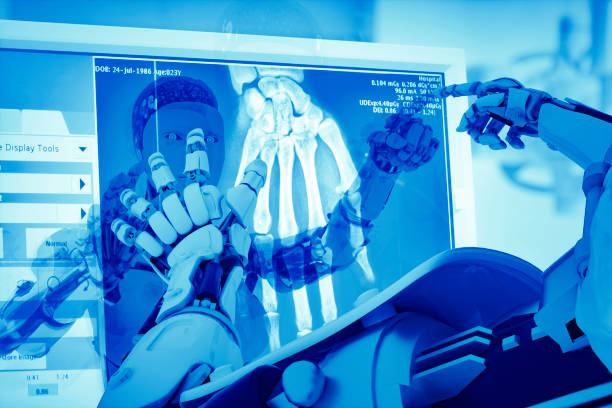
X-ray machines are essential medical devices that play a crucial role in diagnosing and monitoring various medical conditions. The process of manufacturing these machines involves a series of intricate steps, from initial concept and design to production and quality assurance. This article provides an in-depth exploration of the entire X-ray machine manufacturing process, shedding light on the technology behind X-ray machines, the key components, regulatory considerations, and the stringent quality control measures employed to ensure patient safety and device effectiveness.
- Understanding X-ray Technology and Applications:
Before delving into the manufacturing process, it's essential to comprehend the fundamental principles of X-ray technology. X-rays are a form of electromagnetic radiation with high energy, capable of penetrating soft tissues and producing images of bones and other structures within the body. X-ray machines find applications in various medical specialties, including radiology, orthopedics, dentistry, and interventional procedures.
- Conceptualization and Design:
The process of manufacturing an X-ray machine begins with conceptualization and design. Engineers and experts collaborate to outline the machine's specifications, intended applications, and features required for optimal imaging. Considerations include X-ray tube types, detector technology, power ratings, patient safety features, and ergonomic design for ease of use by healthcare professionals.
- Component Selection and Sourcing:
Once the design is finalized, manufacturers source the necessary components, such as X-ray tubes, detectors, image processors, power supplies, and control systems. These components must meet stringent quality standards and adhere to regulatory requirements to ensure the final product's safety and efficacy.
- Assembly and Integration:
The assembly process involves putting together the various components to form a functional X-ray machine. Skilled technicians and automated processes meticulously assemble the complex parts, ensuring precise alignment and calibration for optimal imaging performance.
- Radiation Safety and Shielding:
X-ray machines emit ionizing radiation, necessitating strict radiation safety measures and shielding. Manufacturers must incorporate robust radiation protection measures to minimize exposure to healthcare personnel and patients during operation.
- Electrical Safety and Compliance:
X-ray machines operate on high voltages and electrical currents, making electrical safety a top priority. Compliance with international standards and regulations, such as IEC 60601-1 for medical electrical equipment, is imperative to ensure safe operation and prevent electrical hazards.
- Software Development:
Modern X-ray machines often incorporate advanced software for image processing, post-processing, and data management. Software engineers develop and test these algorithms to enhance image quality, reduce radiation dosage, and enable efficient workflow for healthcare professionals.
- Testing and Quality Assurance:
Stringent testing and quality assurance protocols are integral to the X-ray machine manufacturing process. Performance tests assess imaging accuracy, resolution, exposure time, and radiation output. Safety tests evaluate electrical safety, radiation leakage, and compliance with regulatory standards. Only machines passing these rigorous tests proceed to the next stage.
- Regulatory Compliance and Certification:
Before entering the market, X-ray machines must undergo regulatory review and obtain certifications from relevant authorities, such as the US FDA or the European CE mark. Compliance with these regulations ensures that the device meets safety and performance standards for patient and operator safety.
- Installation and Service Support:
Manufacturers provide installation support and training to healthcare facilities upon purchase. Additionally, comprehensive service support and maintenance programs are offered to ensure ongoing performance and to promptly address any technical issues that may arise during the device's lifespan.
- Continued Research and Advancements:
The X-ray machine manufacturing industry continually evolves with advancements in technology and research. Ongoing research and development efforts focus on improving imaging capabilities, reducing radiation dosage, enhancing automation, and integrating artificial intelligence to aid in image interpretation.
Conclusion:
X-ray machine manufacturing is a highly sophisticated process that requires a seamless integration of engineering expertise, advanced technologies, and stringent quality control measures. From concept to design, production, and quality assurance, each step plays a vital role in ensuring the safety and effectiveness of these critical medical devices. As technology continues to evolve, X-ray machines will continue to advance, providing healthcare professionals with invaluable tools to diagnose and manage vari