Cultivating Tomorrow: Exploring the Landscape of Advanced Farming

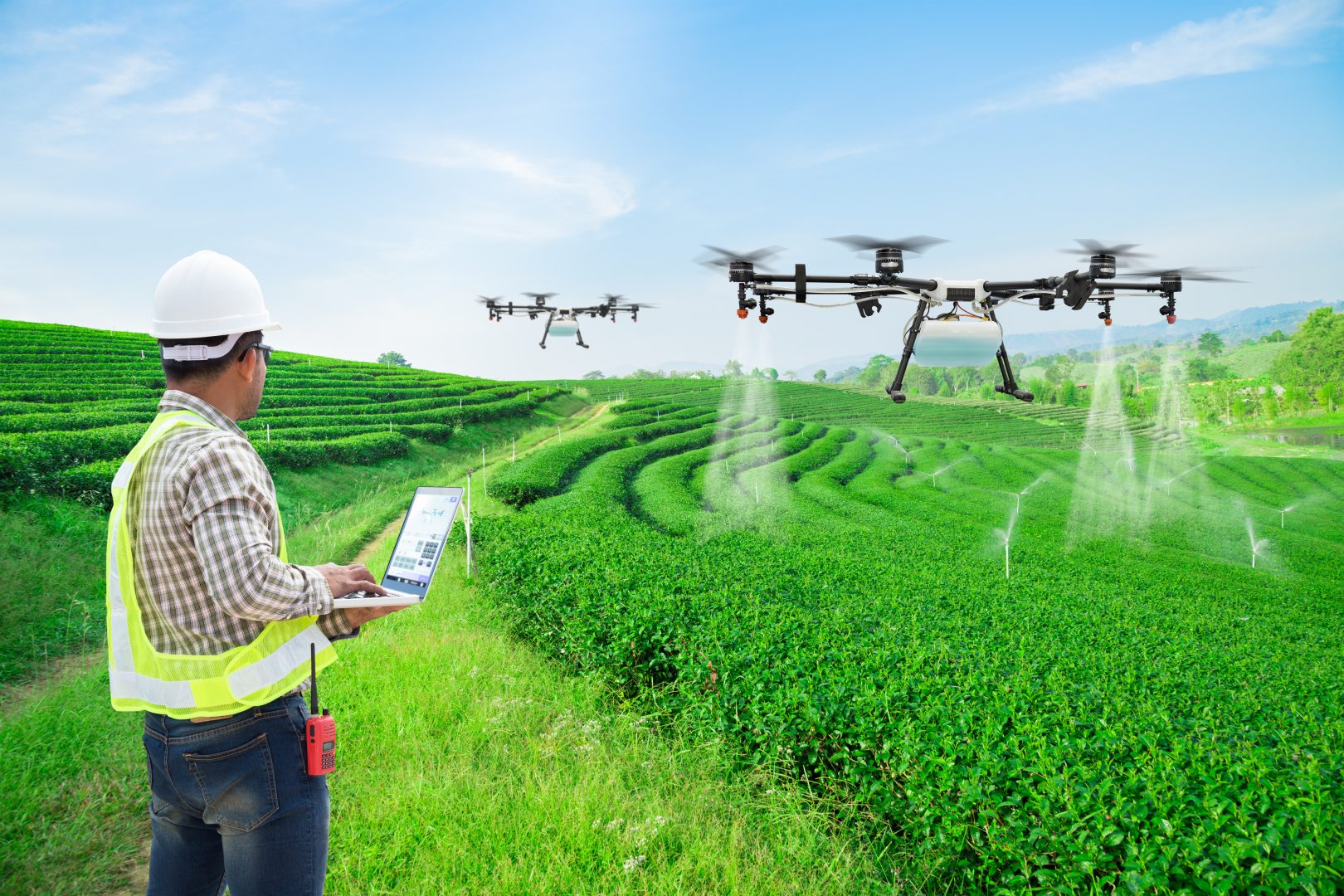
In a world grappling with burgeoning populations and environmental challenges, the agriculture sector is undergoing a profound transformation through the adoption of advanced farming techniques. This paradigm shift, often referred to as precision agriculture or smart farming, leverages cutting-edge technologies to optimize crop production, enhance resource utilization, and promote sustainable practices. At its core, advanced farming harnesses the power of data-driven insights, automation, and connectivity to revolutionize age-old agricultural practices, offering a beacon of hope for a more resilient and food-secure future.
Central to the concept of advanced farming is the integration of modern technologies such as drones, sensors, and GPS systems into the agricultural landscape. These innovations enable farmers to gather real-time data on soil composition, moisture levels, and crop health, allowing for precise and targeted interventions. By tailoring irrigation, fertilization, and pest control strategies based on data-driven insights, farmers can reduce waste, conserve resources, and optimize yields. This not only enhances economic viability but also minimizes the environmental impact of agriculture, mitigating factors such as water pollution and overuse of fertilizers.
Furthermore, advanced farming goes beyond the boundaries of the traditional farm, encompassing the realm of smart agriculture. This includes concepts like vertical farming, hydroponics, and aquaponics, which leverage controlled environments and minimal land usage to produce crops in urban and constrained settings. The integration of Internet of Things (IoT) devices and artificial intelligence further amplifies the potential of advanced farming, enabling autonomous machinery, predictive analytics, and even blockchain-based traceability for supply chain transparency.
As we stand at the crossroads of agricultural innovation, advanced farming emerges as a beacon of hope, steering the industry toward a more sustainable and productive future. By fusing the art of cultivation with the science of technology, we unlock the potential to feed a growing global population while safeguarding our planet's precious resources. As this agricultural revolution gains momentum, the fields of tomorrow promise not just bountiful harvests, but a blueprint for harmony between humanity and nature.