Rethinking Plastic Films: Navigating the Environmental Quandary and Embracing Sustainable Solutions

Introduction
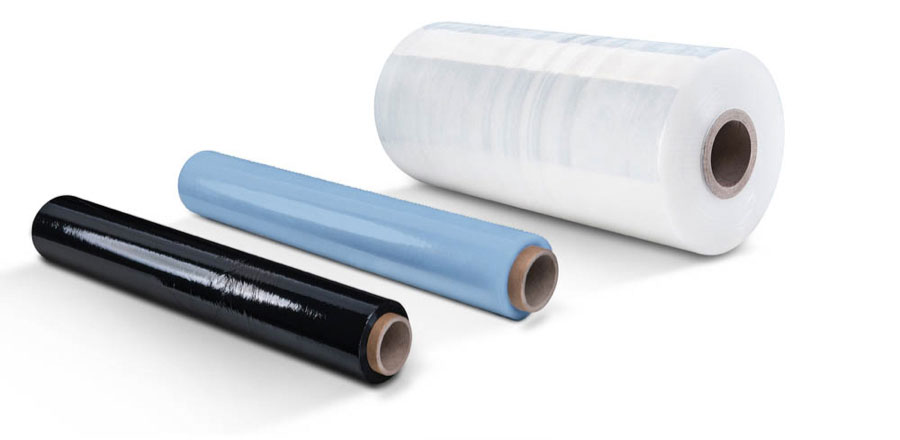
Plastic films, in their multifarious forms, have revolutionized various aspects of modern life, from food packaging and agricultural applications to industrial use and consumer products. Their popularity stems from attributes such as flexibility, durability, and cost-effectiveness. However, the soaring demand for plastic films has come at an immense environmental cost, contributing significantly to the global plastic pollution crisis. In this blog, we will explore the environmental challenges posed by plastic films and delve into sustainable alternatives that can pave the way towards a more eco-friendly future.
The Environmental Challenges of Plastic Films
-
Endless Persistence: Conventional plastic films, primarily composed of polyethylene, are engineered for durability. While this attribute is beneficial for certain applications, it also means that these films can persist in the environment for hundreds of years, causing long-term ecological harm.
-
Marine Menace: Improper disposal and inadequate waste management practices lead to plastic film litter ending up in water bodies. These films break down into microplastics, which are ingested by marine life, disrupting ecosystems and posing a significant threat to marine biodiversity.
-
Greenhouse Gas Emissions: The production of plastic films heavily relies on fossil fuels, contributing to greenhouse gas emissions and exacerbating climate change. Moreover, the manufacturing process generates significant energy consumption and carbon footprints.
-
Limited Recycling Rates: Despite advances in recycling technologies, plastic films face challenges in recycling due to their thin and mixed composition. As a result, the vast majority of plastic films end up in landfills or incineration facilities, adding to the burden of waste management.
Sustainable Alternatives to Plastic Films
-
Bioplastics: Bioplastics are derived from renewable sources, such as cornstarch, sugarcane, or vegetable oils, and offer a promising alternative to conventional plastic films. These materials can be either biodegradable or compostable, reducing their environmental impact significantly.
-
Polylactic Acid (PLA) Films: PLA, a type of bioplastic made from fermented plant sugars, possesses comparable properties to traditional plastic films. PLA films are compostable and break down into non-toxic components, making them an attractive option for single-use applications.
-
Cellulose-Based Films: Cellulose, a natural polymer found in plant cell walls, serves as an excellent raw material for biodegradable films. These films are lightweight, transparent, and can be used for food packaging, reducing the need for conventional plastic wraps.
-
Recycled Plastic Films: Encouraging the use of recycled plastic films, which are produced from post-consumer or post-industrial plastic waste, helps divert plastic from landfills and reduces the demand for virgin plastics.
-
Nanotechnology: Nanomaterials show potential for creating biodegradable and environmentally friendly films. Researchers are exploring the use of nanocellulose, derived from wood fibers, as a sustainable alternative for various film applications.
-
Mindful Consumption: Reducing plastic film usage through mindful consumption and responsible packaging choices can significantly contribute to minimizing the environmental impact. Opting for products with minimal or sustainable packaging can drive positive change.
Conclusion
Plastic films have undoubtedly revolutionized modern living, but the environmental consequences of their widespread usage cannot be ignored any longer. As awareness of plastic pollution grows, individuals, businesses, and governments must take collective action to address this pressing issue.
Embracing sustainable alternatives to conventional plastic films, such as bioplastics, PLA films, cellulose-based materials, and recycled plastics, can mitigate the adverse impact on the environment. Additionally, supporting research and technological advancements in nanotechnology for biodegradable films can open new avenues for eco-friendly solutions.
As consumers, we have the power to influence change through our choices. By opting for products that use sustainable packaging and supporting businesses that prioritize environmentally responsible practices, we can steer industries towards greener practices.
Rethinking plastic films is not just a matter of adopting alternative materials but also a call to reevaluate our relationship with plastic as a whole. By prioritizing sustainability and making conscious decisions, we can work towards a future where plastic pollution is no longer a prevalent threat, and our planet thrives in its natural beauty for generations to come.