Advances in Platelet Concentration Systems: Enhancing Efficiency and Efficacy for Therapeutic Applications

Introduction:
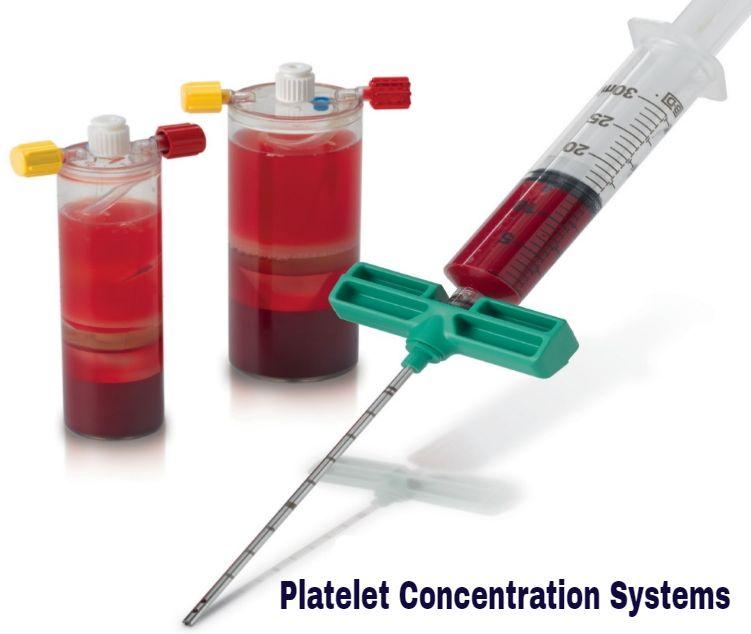
Platelet concentration systems have evolved significantly in recent years, paving the way for more effective therapeutic applications in various medical fields. Platelets are crucial components of the blood that play a vital role in hemostasis and tissue repair. They contain a rich reservoir of growth factors, cytokines, and other bioactive molecules that promote healing and tissue regeneration. Consequently, advancements in platelet concentration systems have opened up new possibilities for enhanced clinical outcomes in wound healing, orthopedics, dentistry, and aesthetic medicine, among others. This article explores the latest advances in platelet concentration technology and their impact on improving efficiency and efficacy in therapeutic applications.
- Autologous Platelet-Rich Plasma (PRP) Systems:
Autologous Platelet-Rich Plasma (PRP) systems have gained popularity in recent years due to their ability to harness the patient's own platelets and growth factors for therapeutic purposes. These systems utilize centrifugation to separate and concentrate platelets from a small sample of the patient's blood. The resulting PRP is then injected or applied topically to promote tissue repair and regeneration. Advances in PRP systems have focused on optimizing the concentration process, standardizing protocols, and developing user-friendly devices that streamline the procedure.
- Platelet-Rich Fibrin (PRF) Systems:
Platelet-Rich Fibrin (PRF) systems represent a more advanced form of platelet concentration technology. Unlike PRP, PRF is obtained without anticoagulants, making it a more natural and biocompatible product. PRF forms a dense fibrin matrix that traps platelets and growth factors, gradually releasing them over an extended period. This sustained release enhances the therapeutic effects, making PRF an excellent choice for complex tissue regeneration procedures, bone grafting, and facial aesthetics.
- Platelet Concentrates for Chronic Wound Healing:
Chronic wounds, such as diabetic foot ulcers and venous ulcers, pose significant challenges to healthcare providers. Platelet concentrates, such as PRP and PRF, have shown promising results in promoting wound healing by stimulating angiogenesis, collagen synthesis, and cell proliferation. Recent advances in platelet concentration systems have allowed for more tailored treatments, addressing specific wound types and patient needs.
- Platelet Concentrates in Orthopedic Medicine:
In orthopedics, platelet concentrates have been widely used to accelerate tissue repair and recovery. They are frequently employed in the treatment of tendon injuries, ligament tears, and joint conditions. Advanced platelet concentration systems now offer a greater degree of control over platelet concentrations and bioactive molecule content, enabling orthopedic surgeons to customize treatments based on the severity and nature of the injury.
- Platelet Concentrates in Dentistry:
Platelet concentrates have found applications in various dental procedures, such as dental implant placement, periodontal surgery, and oral tissue regeneration. These systems contribute to faster healing, reduced post-operative complications, and improved implant success rates. Recent developments have focused on creating easy-to-use, chairside systems for dental practitioners, allowing them to prepare platelet concentrates quickly during procedures.
- Platelet-Rich Plasma for Aesthetic Medicine:
The use of platelet concentrates in aesthetic medicine has surged in popularity due to their natural rejuvenating properties. Platelet-rich plasma, often referred to as the "vampire facelift," has been utilized to improve skin texture, stimulate collagen production, and reduce the signs of aging. Advances in platelet concentration technology have led to more refined and concentrated PRP formulations, yielding enhanced aesthetic outcomes.
Conclusion:
Advances in platelet concentration systems have revolutionized therapeutic applications across various medical disciplines. These systems offer an innovative approach to harnessing the body's own regenerative capabilities, enhancing efficiency, and efficacy in wound healing, orthopedics, dentistry, and aesthetic medicine. As research and technology continue to progress, platelet concentration systems are poised to play an increasingly significant role in modern medical practice, offering patients safer and more effective treatment options.