Advancements in Respiratory Drug Delivery Formulations: Enhancing Efficacy and Patient Outcomes

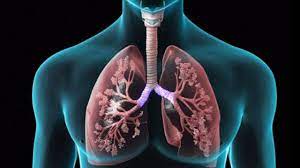
Respiratory diseases affect millions of people worldwide, causing significant morbidity and mortality. Effective management of these conditions heavily relies on the delivery of drugs directly to the lungs. Over the years, researchers and pharmaceutical companies have made remarkable strides in developing novel respiratory drug delivery formulations that not only target specific lung regions more efficiently but also enhance drug efficacy and improve patient outcomes.
One of the most notable advancements in respiratory drug delivery is the development of inhalable formulations. Inhalation therapy allows drugs to be delivered directly to the lungs, bypassing the gastrointestinal tract and ensuring rapid onset of action. Traditional inhalers, such as metered-dose inhalers (MDIs) and dry powder inhalers (DPIs), have been widely used for the treatment of asthma and chronic obstructive pulmonary disease (COPD). However, limitations like coordination difficulties and inconsistent dosing led to the quest for more user-friendly and effective alternatives.
Recent innovations include the development of smart inhalers and nebulizers. Smart inhalers are equipped with sensors that track usage, providing valuable data on patient adherence and monitoring disease progression. This technology helps healthcare providers tailor treatment plans to individual needs, improving overall patient compliance and outcomes. Nebulizers, on the other hand, are designed to convert liquid medications into fine aerosols, which are easier for patients with severe respiratory conditions to inhale. These advancements not only simplify the drug delivery process but also ensure that patients receive accurate and consistent doses of their medications.
Another significant advancement in respiratory drug delivery is the utilization of nanotechnology. Nanoparticles can enhance the delivery of therapeutic agents to specific lung regions, such as the alveoli, where gas exchange occurs. These tiny particles can protect drugs from degradation, extend drug release profiles, and increase drug bioavailability. Additionally, functionalizing nanoparticles allows for targeted drug delivery, reducing systemic side effects and increasing drug efficacy.
Moreover, researchers have focused on developing biocompatible and biodegradable polymers for respiratory drug delivery. Inhalable polymeric microparticles and nanoparticles have shown promise in encapsulating and delivering various drugs. These formulations can release drugs in a controlled manner, allowing for prolonged therapeutic effects and reducing the frequency of dosing. Furthermore, the biodegradable nature of these formulations ensures that they are cleared from the body without leaving any harmful residues.
The field of gene therapy has also witnessed significant advancements in respiratory drug delivery. Gene therapy aims to introduce therapeutic genes into lung cells to correct genetic abnormalities or enhance the body's natural defense mechanisms. Advancements in viral and non-viral vectors have improved the safety and efficiency of gene delivery to the lungs, offering potential treatments for genetic lung diseases and other respiratory conditions.
Besides technological innovations, personalized medicine has become a prominent approach in respiratory drug delivery. By considering individual patient characteristics, such as genetics, lung function, and environmental factors, healthcare providers can tailor treatment plans to optimize drug efficacy and minimize adverse effects. This personalized approach ensures that patients receive the most suitable and effective medications, improving overall treatment outcomes.
In conclusion, advancements in respiratory drug delivery formulations have significantly improved the management of respiratory diseases, enhancing drug efficacy and patient outcomes. The development of inhalable formulations, nanotechnology-based delivery systems, biocompatible polymers, and gene therapy approaches has revolutionized respiratory medicine. Additionally, the integration of smart technology and personalized medicine further enhances the effectiveness of treatments, ensuring that patients receive tailored and optimal care. As research continues to progress, it is likely that respiratory drug delivery will continue to evolve, providing even more effective and patient-friendly therapies in the future.