Cultivating Sustainability: An In-Depth Analysis of the Organic Farming Market

Introduction
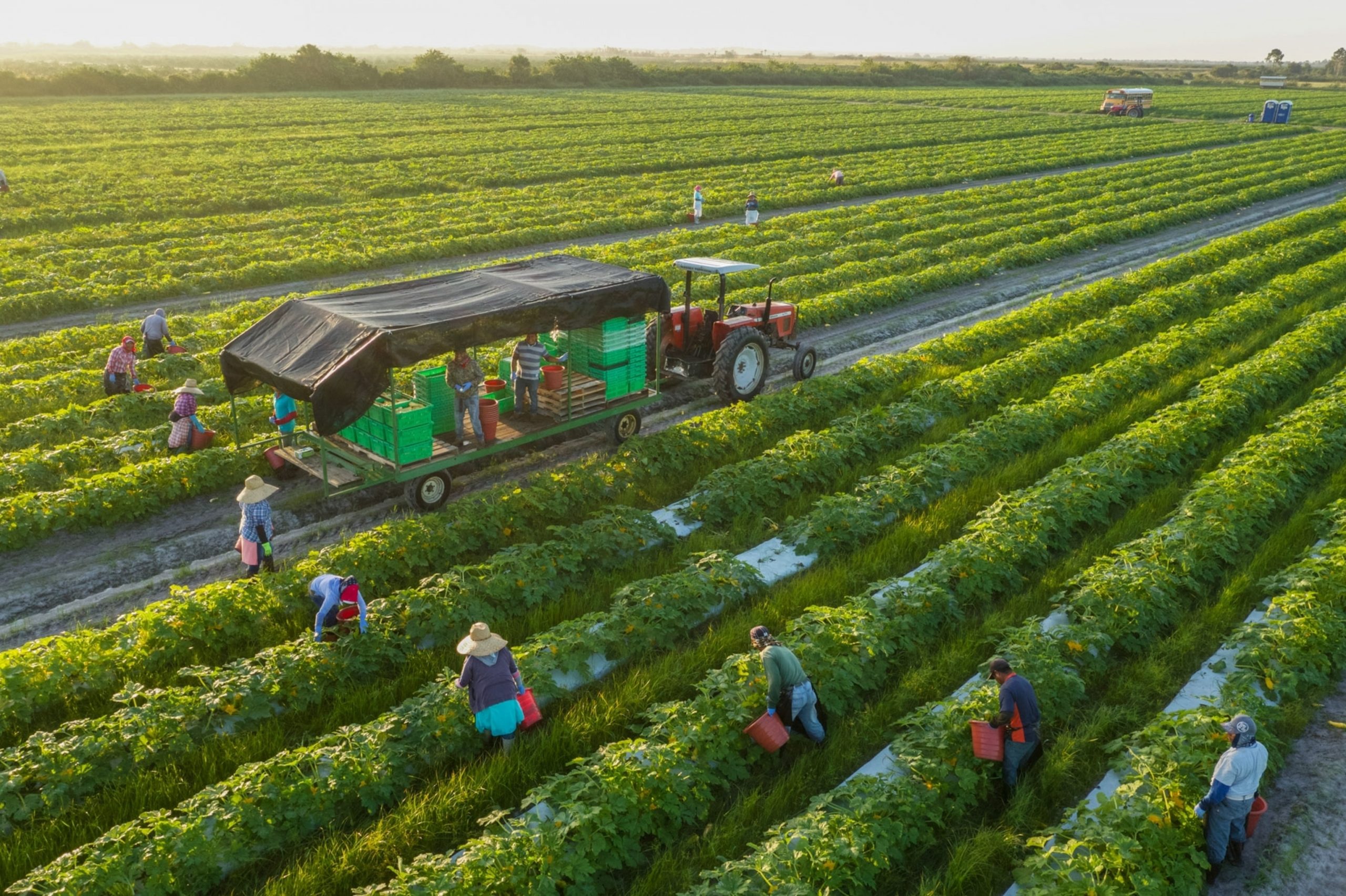
Organic farming has emerged as a sustainable and eco-friendly agricultural practice that prioritizes soil health, biodiversity, and reduced environmental impact. Shifting away from conventional farming methods that heavily rely on synthetic inputs, organic farming emphasizes natural processes, crop rotations, and biological pest control. This article delves into the dynamics of the organic farming market, exploring its growth, principles, benefits, challenges, and future prospects.
Market Growth and Size
The organic farming market has witnessed remarkable growth in recent years, driven by increasing consumer awareness and demand for organic produce. The market size has expanded globally, as consumers are becoming more conscious of the potential health risks associated with pesticide residues and synthetic fertilizers in conventional agriculture. Moreover, the growing focus on sustainable and environmentally friendly practices has further bolstered the adoption of organic farming methods.
Organic farming is no longer limited to niche markets; it has penetrated mainstream agriculture, supported by government policies, certifications, and consumer preferences. As a result, the organic farming market is projected to grow at a robust compound annual growth rate (CAGR), reflecting a significant shift in farming practices and consumer choices.
Principles of Organic Farming
Organic farming is guided by a set of principles that prioritize ecological balance and sustainability. Some key principles include:
-
No Synthetic Chemicals: Organic farmers avoid the use of synthetic pesticides, herbicides, and fertilizers. Instead, they rely on natural alternatives, such as compost, crop rotation, and green manure, to enhance soil fertility and control pests.
-
Soil Health: Organic farming places a strong emphasis on maintaining soil health through organic matter enrichment, minimal soil disturbance, and beneficial soil microorganisms. Healthy soils contribute to improved crop yield and resilience to environmental stresses.
-
Biodiversity Conservation: Organic farmers strive to promote biodiversity by encouraging the presence of beneficial insects, birds, and other organisms that naturally regulate pest populations.
-
Animal Welfare: In organic livestock farming, animals are provided with natural and humane living conditions, access to pasture, and a diet free from genetically modified organisms and synthetic additives.
Benefits and Advantages
Organic farming offers a wide range of benefits to farmers, consumers, and the environment:
-
Healthier Food: Organic produce is free from chemical residues, making it healthier for consumers and reducing the risk of health issues associated with synthetic pesticides.
-
Environmental Sustainability: Organic farming practices reduce the pollution of soil, water, and air, protecting ecosystems and contributing to climate change mitigation.
-
Soil Fertility and Longevity: The focus on soil health in organic farming leads to enhanced soil fertility, which ensures sustainable agricultural production in the long term.
-
Resilience to Climate Change: Organic farming practices, such as diversified cropping systems and water conservation, make it more resilient to the challenges posed by climate change.
Challenges and Future Outlook
While organic farming presents numerous advantages, it also faces certain challenges:
-
Yield and Productivity: Organic farming may initially result in lower crop yields compared to conventional farming. However, advancements in organic farming techniques and increased research can help address this challenge.
-
Certification and Market Access: Obtaining organic certification can be a complex and costly process for farmers. Improving market access and creating incentives for organic producers can facilitate their transition to organic farming.
-
Education and Awareness: Raising awareness among consumers about the benefits of organic products is essential for sustained market growth.
Despite the challenges, the future prospects of the organic farming market remain bright. Continued government support, consumer demand for sustainable produce, and advancements in organic farming practices are expected to drive further growth. Additionally, the potential integration of organic farming with digital technologies and precision agriculture can optimize resource use and enhance overall productivity.
Conclusion
Organic farming is revolutionizing agriculture by offering a sustainable and eco-friendly alternative to conventional farming practices. With a growing global market and increasing consumer consciousness, organic farming represents a promising path toward a healthier, more sustainable food system. As more farmers embrace organic practices and consumers make informed choices, the organic farming market is poised for continued growth, fostering a greener and more resilient agricultural future.