Market Analysis: Growth Projections and Key Drivers of Sinking Fish Feed Market

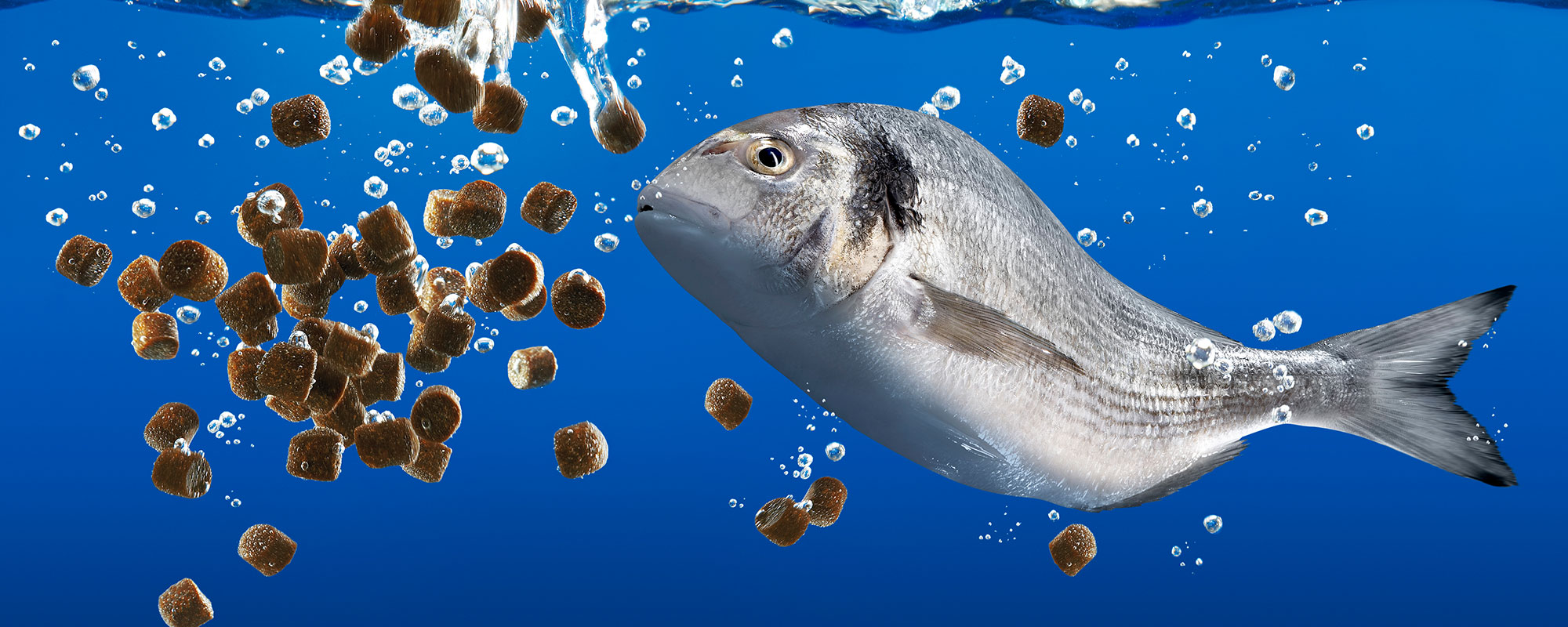
The sinking fish feed market is poised for significant growth in the coming years due to several key drivers that are shaping the industry landscape. Market analysis indicates a positive trajectory, driven by increasing aquaculture production, rising fish consumption, and the growing demand for sustainable feed solutions.
The aquaculture sector is experiencing steady expansion to meet the global demand for fish and seafood products. As capture fisheries face challenges from overfishing and environmental degradation, aquaculture has emerged as a viable alternative to bridge the supply-demand gap. Sinking fish feed plays a critical role in supporting the rapid growth of aquaculture operations, as it provides the necessary nutrients for fish growth and enhances feed efficiency.
One of the key drivers of the sinking fish feed market is the rising global fish consumption. As populations grow and dietary preferences change, there is a higher demand for protein-rich seafood products. Sinking fish feed helps improve the productivity of farmed fish, ensuring a steady supply of high-quality fish products to meet the nutritional needs of the growing population.
Sustainability concerns are also driving the demand for eco-friendly and responsibly sourced sinking fish feed. The industry is shifting away from conventional fishmeal and fish oil, which are sourced from wild-caught fish, to explore alternative ingredients like plant-based proteins, algae, and insect-derived proteins. This shift aligns with environmental and ethical considerations, making sustainable sinking fish feed an attractive proposition for consumers and aquaculture producers alike.
In conclusion, market analysis indicates robust growth projections for the sinking fish feed market, fueled by the expansion of aquaculture, increasing fish consumption, and the focus on sustainability. Industry players should capitalize on these key drivers to position themselves strategically in this growing market and cater to the evolving needs of the aquaculture industry.