Blood-Based Biomarker: Advancing Precision Medicine and Disease Diagnosis

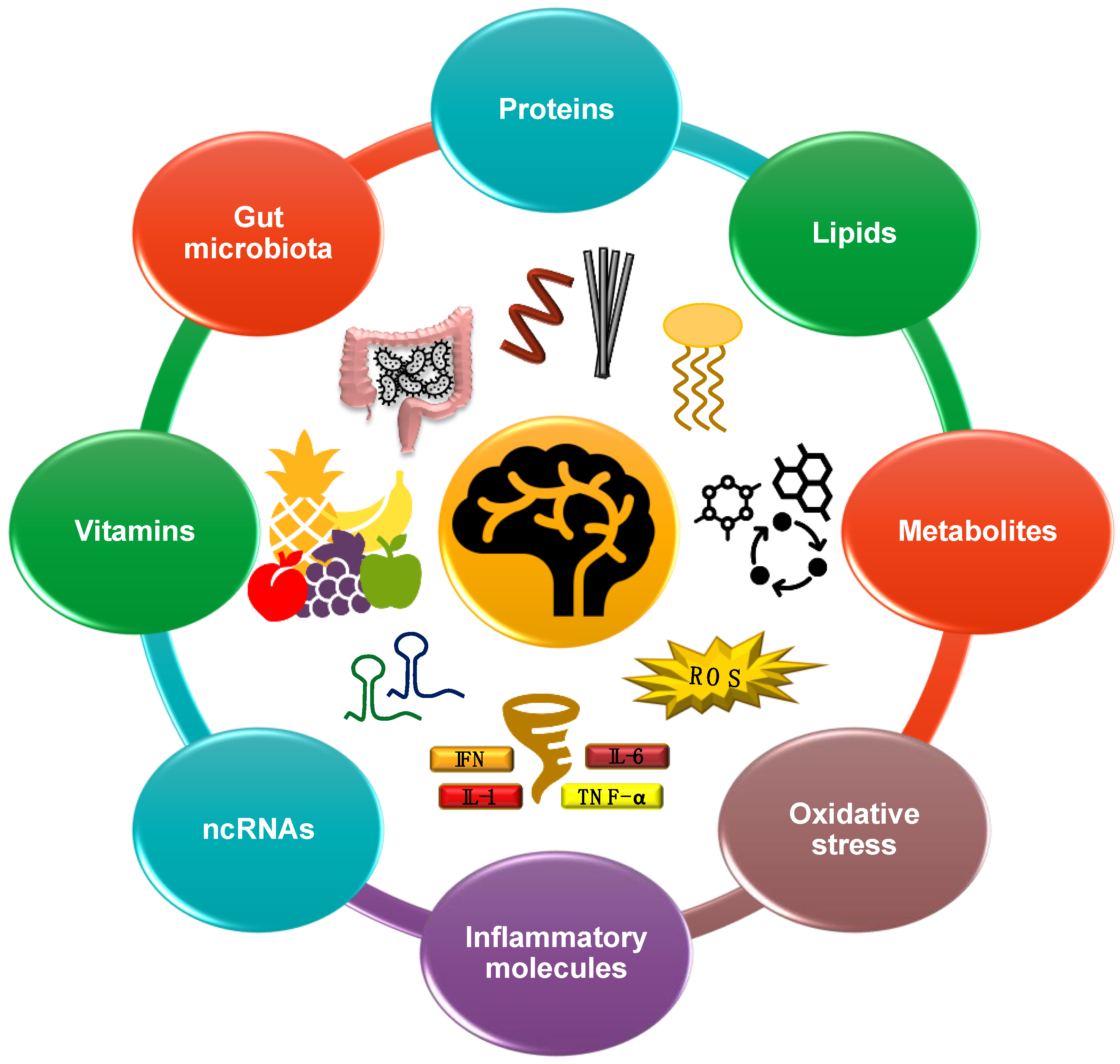
In recent years, the field of medicine has witnessed a remarkable shift towards personalized and precision healthcare. Central to this revolution are blood-based biomarkers, which have emerged as crucial tools in disease diagnosis, monitoring, and treatment. These biomarkers, which are measurable indicators found in the blood, offer valuable insights into an individual's health status and can pave the way for targeted therapies and improved patient outcomes. This article delves into the significance of blood-based biomarkers, their applications in various medical fields, and the cutting-edge advancements that hold promise for the future of healthcare.
Understanding Blood-Based Biomarkers:
Blood is a treasure trove of information, carrying an array of molecules, cells, and proteins that reflect the body's physiological and pathological state. Biomarkers in blood can be broadly categorized into nucleic acids (DNA and RNA), proteins, lipids, and metabolites. These molecules can be detected, quantified, and analyzed to provide valuable information about a person's health, such as the presence of diseases, risk factors, response to treatments, and disease progression.
Applications in Disease Diagnosis:
Blood-based biomarkers play a crucial role in early disease detection, enabling timely intervention and better treatment outcomes. In conditions like cancer, cardiovascular diseases, and infectious diseases, biomarkers aid in screening and identifying high-risk individuals, allowing for targeted interventions. They can also assist in distinguishing between benign and malignant conditions, reducing unnecessary invasive procedures and healthcare costs.
Advancements in Precision Medicine:
Precision medicine aims to tailor medical treatments to an individual's unique characteristics, including genetic makeup and lifestyle. Blood-based biomarkers form the cornerstone of precision medicine by enabling clinicians to predict treatment responses and identify potential adverse effects based on a patient's specific biomarker profile. This personalized approach enhances treatment efficacy while minimizing side effects, ushering in a new era of patient-centric healthcare.
Monitoring Disease Progression and Treatment Response:
Apart from aiding in diagnosis, blood-based biomarkers are instrumental in monitoring disease progression and gauging treatment responses. For instance, cancer biomarkers can track tumor growth and recurrence, guiding clinicians in modifying therapeutic strategies. Biomarkers also facilitate therapeutic drug monitoring, ensuring that medication doses are optimized for each patient, maximizing the benefits while minimizing toxicity.
Cardiovascular Risk Assessment:
Cardiovascular diseases remain a leading cause of mortality worldwide. Blood-based biomarkers like cholesterol levels, C-reactive protein, and cardiac troponins offer valuable insights into an individual's cardiovascular risk profile. Clinicians can use these biomarkers to assess a patient's likelihood of developing heart disease and devise personalized prevention strategies, including lifestyle modifications and medication.
Neurological Disorders:
The study of blood-based biomarkers has shown promising potential in the realm of neurological disorders, including Alzheimer's disease and Parkinson's disease. Researchers have identified specific biomarkers that correlate with the presence and progression of these conditions, aiding in early diagnosis and monitoring disease evolution. As treatment options for neurodegenerative diseases are limited, blood-based biomarkers offer a glimmer of hope for potential therapeutic interventions in the future.
Challenges and Future Directions:
Despite the immense potential, there are challenges associated with blood-based biomarker research. Standardization of biomarker assays, data interpretation, and validation are critical issues that need to be addressed to ensure the reliability and reproducibility of results. Additionally, ethical considerations concerning data privacy and consent must be carefully navigated.
Conclusion:
Blood-based biomarkers have become indispensable tools in modern medicine, driving advances in precision healthcare and transforming the way diseases are diagnosed and treated. As technology continues to evolve, we can expect blood-based biomarkers to play an even more prominent role in predicting diseases, monitoring treatment responses, and shaping personalized therapies. The integration of these biomarkers into routine clinical practice holds the promise of improved patie