Dolomite: Paving the Path to Environmental Restoration and Economic Growth

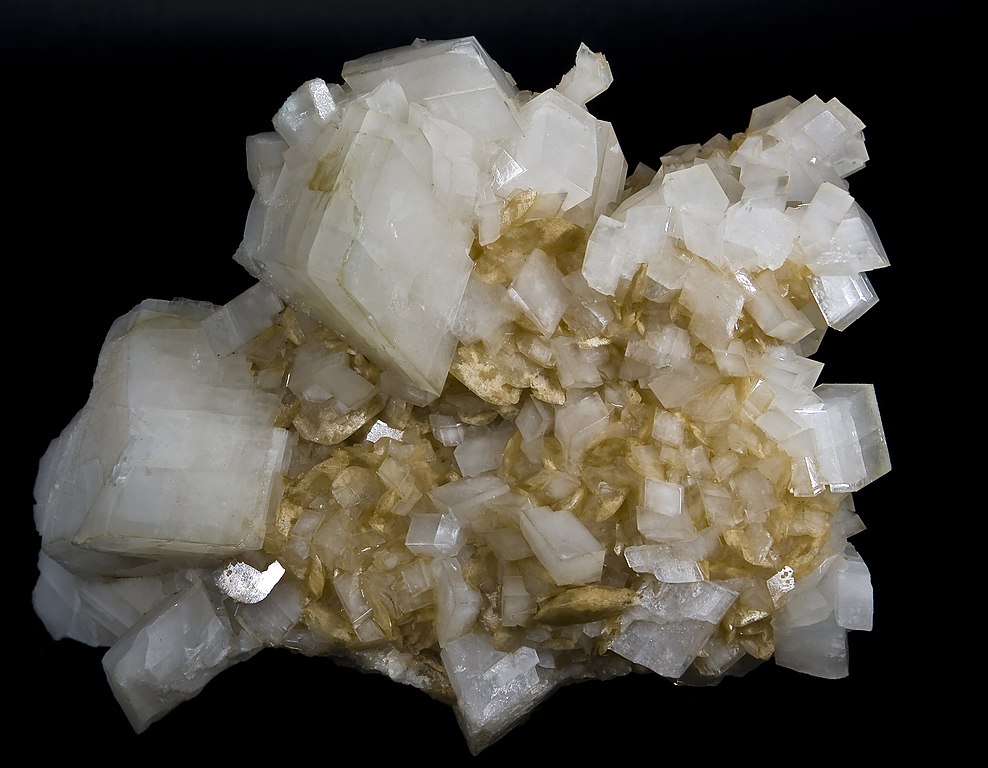
Dolomite is a fascinating mineral that has captivated geologists, industry experts, and nature enthusiasts alike. Named after the French geologist Déodat Gratet de Dolomieu, dolomite is a sedimentary rock composed primarily of calcium magnesium carbonate. It forms through a process known as dolomitization, where magnesium-rich fluids interact with limestone, transforming it into this unique rock.
One of the distinctive features of dolomite is its striking appearance. It often exhibits a range of colors, from creamy white to shades of pink, green, or gray, making it a popular choice for decorative purposes in construction and landscaping projects. The intricate patterns and interlocking crystals give dolomite a distinctive texture, adding to its allure.
Beyond its aesthetic appeal, dolomite holds considerable significance in various industries. The steel industry, for instance, relies heavily on dolomite as a flux material during iron and steel production. Dolomite acts as a purifying agent, removing impurities and enhancing the quality of steel. Additionally, it is used as a refractory material in kilns and furnaces due to its high melting point and resistance to heat and pressure.
Moreover, dolomite's calcium and magnesium content make it a valuable supplement in animal feed and fertilizers. These nutrients promote healthy growth and development in livestock and crops, contributing to improved agricultural productivity.
Another remarkable property of dolomite is its reactivity with acids. When powdered dolomite comes into contact with an acid, it undergoes a vigorous effervescence due to the release of carbon dioxide gas. This unique characteristic makes dolomite a valuable material in environmental remediation efforts. For instance, it can be used to neutralize acidic mine drainage, mitigating the harmful effects of abandoned mines on surrounding ecosystems.
Furthermore, dolomite has geological significance as it provides valuable insights into past environmental conditions. Ancient dolomites found in sedimentary rock formations offer crucial clues about the Earth's history and past climate fluctuations.
Despite its numerous applications and attributes, dolomite mining and use have faced some controversies. In certain situations, large-scale dolomite extraction can lead to environmental concerns such as habitat destruction and water pollution. Responsible and sustainable practices in dolomite mining are essential to ensure minimal impact on the environment and surrounding communities.
In conclusion, dolomite is a versatile mineral with an intriguing blend of beauty and utility. Its presence in various industries, from construction to agriculture and beyond, highlights its importance in our modern world. Moreover, its geological significance and role in environmental restoration make it a subject of continued interest and study for researchers and conservationists. As we move forward, it becomes increasingly crucial to strike a balance between harnessing the potential of dolomite for human needs and preserving the delicate ecosystems where it is found.