Unraveling the Mysteries of Ataxia: Understanding the Causes and Living with the Condition

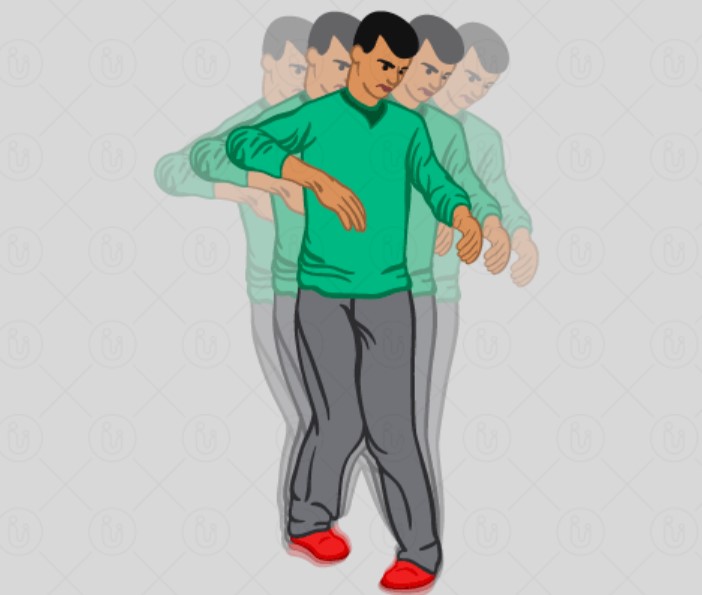
Ataxia is a rare neurological disorder that affects coordination, balance, and voluntary muscle movements. It is characterized by unsteady movements, difficulties in walking, and a lack of muscle control. This condition can significantly impact a person's quality of life and daily activities, making it crucial to raise awareness and understanding of ataxia. In this blog, we will delve into the different types of ataxia, its causes, symptoms, diagnosis, and how individuals can cope with the challenges posed by this condition.
Types of Ataxia
Ataxia can be broadly classified into two categories: acquired ataxia and hereditary ataxia.
-
Acquired Ataxia: This type of ataxia is typically caused by external factors such as head injuries, strokes, tumors, multiple sclerosis, or vitamin deficiencies. Acquired ataxia may also be the result of alcohol or drug abuse, as these substances can damage the cerebellum, the part of the brain responsible for coordination and balance.
-
Hereditary Ataxia: Hereditary or genetic ataxia is caused by gene mutations that are passed down through families. There are various subtypes of hereditary ataxia, including Friedreich's ataxia, Spinocerebellar ataxia (SCA), and many others. Each subtype has its unique genetic basis, age of onset, and progression rate.
Causes and Symptoms
Ataxia can affect people of all ages and backgrounds. Its underlying causes can be diverse, making it essential to recognize the symptoms early on for proper management. Some common symptoms of ataxia include:
-
Poor coordination and balance: Individuals with ataxia often struggle with tasks that require precise movements, such as writing, buttoning shirts, or tying shoelaces. They may also have an unsteady gait, leading to frequent falls.
-
Difficulty speaking and swallowing: Speech may become slurred, and individuals may face challenges in swallowing food and liquids.
-
Eye movement abnormalities: Ataxia can impact eye movements, leading to difficulties in controlling eye motion and maintaining focus.
-
Muscle tremors: In some cases, tremors or involuntary muscle contractions may occur, exacerbating the lack of coordination.
Diagnosis and Treatment
Diagnosing ataxia can be complex due to its various causes and symptoms. A comprehensive medical evaluation is essential, including a thorough medical history, physical examination, neurological tests, and imaging studies like MRI or CT scans. Genetic testing may also be necessary to identify specific hereditary forms of ataxia.
Unfortunately, there is no cure for ataxia at present. However, various treatments and therapies aim to manage symptoms, slow disease progression, and enhance overall quality of life. Physical and occupational therapy can be beneficial for improving balance, coordination, and mobility. Medications may also be prescribed to control symptoms such as tremors and muscle stiffness. Additionally, assistive devices like canes, walkers, and wheelchairs can aid in maintaining independence and mobility.
Living with Ataxia
Coping with ataxia can be emotionally and physically challenging for affected individuals and their families. A strong support system, including healthcare professionals, family, and friends, is essential for managing the condition effectively. Here are some practical tips for individuals living with ataxia:
-
Stay active: Engaging in regular physical therapy and exercises designed to improve coordination and balance can be beneficial.
-
Seek emotional support: Joining support groups or connecting with others who have ataxia can provide valuable emotional support and understanding.
-
Adapt your environment: Modifying your living space to reduce fall risks and make daily tasks more manageable can enhance independence and safety.
-
Manage stress: Stress can exacerbate ataxia symptoms. Employ stress-reduction techniques such as meditation, yoga, or hobbies that promote relaxation.
-
Stay informed: Keep yourself updated about the latest advancements in ataxia research and treatment options.
Conclusion
Ataxia is a complex neurological disorder that can significantly impact a person's life. By understanding its types, causes, symptoms, and management strategies, we can contribute to raising awareness and supporting those affected by this condition. Improved understanding and empathy within society can pave the way for more effective treatments and eventually a potential cure. Let us come together and build a more inclusive and supportive world for individuals living with ataxia.