Understanding Knee Replacement: A Comprehensive Guide

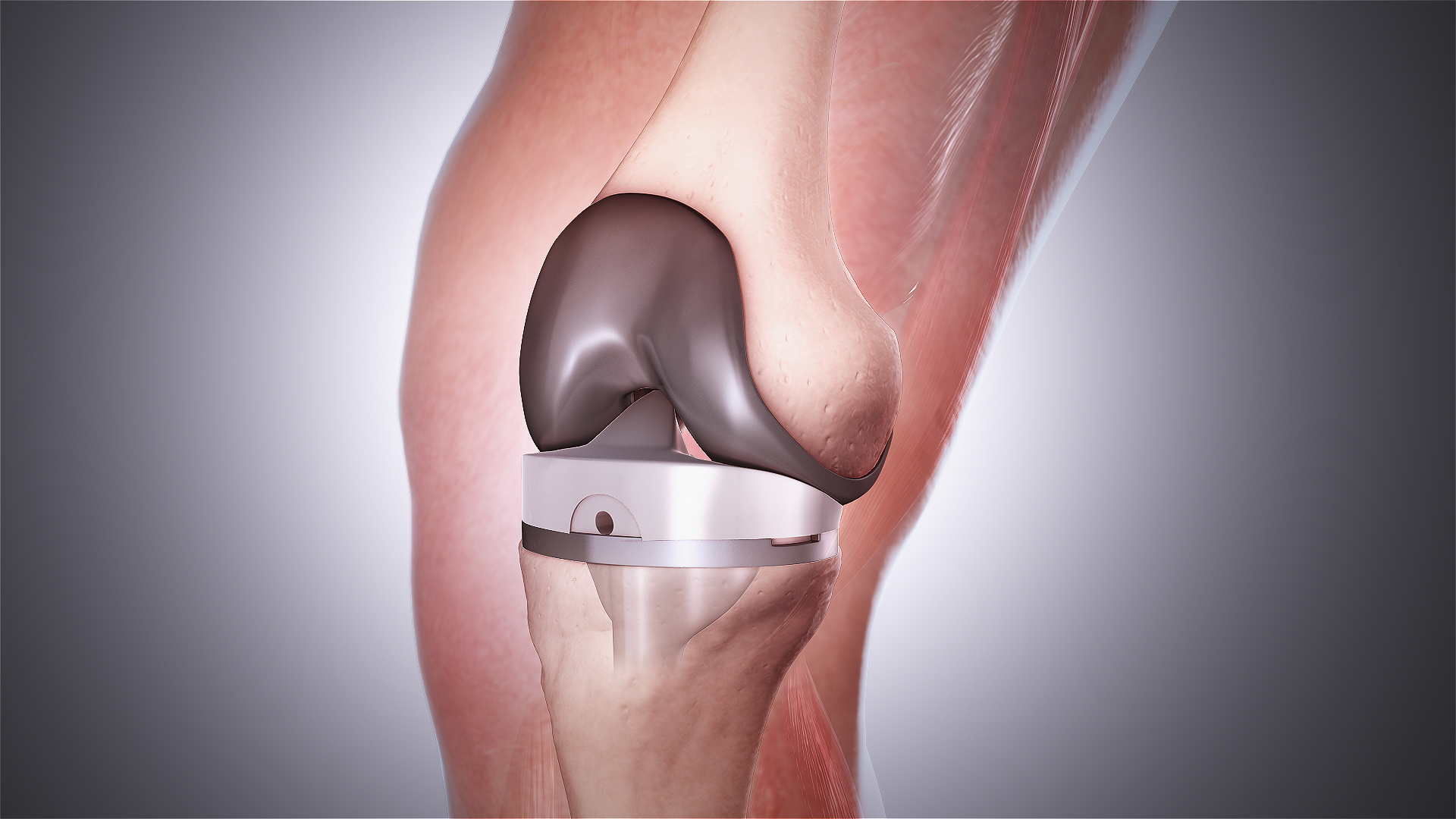
Knee pain can severely impact your quality of life, limiting your mobility and independence. If conservative treatments have failed to provide relief, knee replacement surgery might be the solution you need. This blog aims to guide you through the basics of knee replacement surgery. Knee Replacement, also known as knee arthroplasty, is a surgical procedure that involves replacing damaged or worn-out parts of the knee joint with artificial implants made of metal and plastic. It's commonly performed to treat osteoarthritis, rheumatoid arthritis, and other conditions causing joint deterioration. Before undergoing knee replacement, consult an orthopedic surgeon to determine if you're a suitable candidate. The surgeon will assess your medical history, conduct physical examinations, and review X-rays or MRIs of your knee.
If the surgery is deemed appropriate, they will discuss the procedure's risks, benefits, and potential complications. During the surgery, the damaged parts of your knee will be removed, and the artificial implants will be securely fixed in place. After the operation, a period of rehabilitation and physical therapy is necessary to regain strength and mobility. Most patients experience significant improvement in pain relief and functionality after Knee Replacement. While knee replacement is generally safe, complications like infection, blood clots, or implant loosening may occur. However, advancements in surgical techniques and implant materials have significantly reduced these risks. knee replacement can be a life-changing procedure for individuals suffering from chronic knee pain. Always consult a qualified orthopedic surgeon to determine if it's the right option for you. The surgery, followed by proper rehabilitation, can restore your ability to enjoy an active and pain-free lifestyle.