Cancer Therapy: Paving the Way to Hope and Healing

Cancer, a formidable adversary, has touched the lives of countless individuals and families around the world. Over the years, advancements in cancer therapy have brought new rays of hope to those battling this complex disease. Cancer therapy encompasses a diverse range of treatments aimed at combating cancer cells and restoring health. In this blog, we will explore the different approaches to cancer therapy, the transformative impact it has on patients, and the ongoing quest for innovative treatments.
Understanding Cancer Therapy: Cancer therapy refers to the various medical treatments and interventions designed to target and eliminate cancer cells. The choice of therapy depends on factors such as the type of cancer, its stage, the patient's overall health, and treatment goals. The primary objectives of cancer therapy include eradicating or reducing the tumor, preventing cancer spread (metastasis), and improving the patient's quality of life.
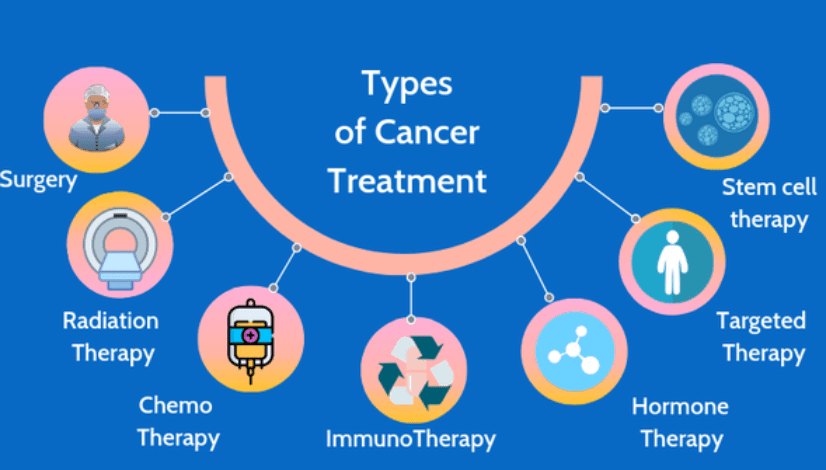
Types of Cancer Therapy: Cancer therapy encompasses several approaches, each with its unique mechanism and intended outcome. Some common types of cancer therapy include:
-
Surgery: Surgical intervention involves the removal of the tumor or cancerous tissue, either through traditional open surgery or minimally invasive techniques. Surgery is often the primary treatment for localized cancers.
-
Chemotherapy: Chemotherapy employs powerful drugs to target and destroy rapidly dividing cancer cells. It can be administered orally, intravenously, or directly to the affected area.
-
Radiation Therapy: Radiation therapy uses high-energy radiation to kill cancer cells or prevent their growth. It is often used alongside surgery or chemotherapy.
-
Immunotherapy: Immunotherapy harnesses the body's immune system to recognize and attack cancer cells. It includes monoclonal antibodies, immune checkpoint inhibitors, and cancer vaccines.
-
Targeted Therapy: Targeted therapy focuses on specific molecular targets within cancer cells, disrupting their growth signals and promoting cell death.
-
Hormone Therapy: Hormone therapy is used for hormone-sensitive cancers, such as breast and prostate cancer. It aims to block hormones that fuel cancer growth.
Transformative Impact on Patients: Cancer therapy has transformed the landscape of cancer care, offering remarkable benefits to patients:
-
Increased Survival Rates: Advances in cancer therapy have significantly improved survival rates for many types of cancer, giving patients a chance at remission and long-term disease control.
-
Personalized Treatment: Tailored treatment plans based on individual patient factors and tumor characteristics lead to more effective and precise therapies.
-
Reduced Side Effects: Modern cancer therapies are designed to be more targeted, leading to fewer side effects and improved quality of life for patients.
-
Combination Therapy: Combination approaches, such as chemo-radiation therapy or immunotherapy with other treatments, have shown synergistic effects, enhancing treatment outcomes.
The Quest for Innovative Treatments: While significant progress has been made, the quest for innovative cancer treatments continues. Researchers are exploring new frontiers, such as gene therapy, CAR-T cell therapy, and oncolytic viruses, seeking breakthroughs that may revolutionize cancer care.
Conclusion: Cancer therapy stands as a testament to the dedication of scientists, clinicians, and healthcare professionals in the fight against cancer. As advancements continue to unfold, cancer therapy holds the promise of not just treating cancer but offering hope and healing to millions worldwide. While the battle against cancer remains complex, the progress made so far inspires optimism and resilience in the pursuit of a world free from the burden of cancer. Through ongoing research, innovation, and compassionate care, the journey towards conquering cancer continues, offering hope to every individual touched by this challenging disease.