Patient-Centered Medical Home: Putting Patients at the Heart of Healthcare

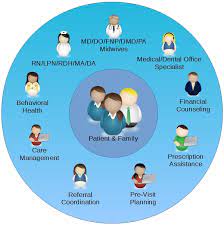
In the ever-evolving landscape of healthcare, the concept of patient-centered care has emerged as a guiding principle, aiming to prioritize the needs and preferences of patients. One of the key innovations that embody this philosophy is the Patient-Centered Medical Home (PCMH). In this blog, we will explore what a Patient-Centered Medical Home is, its core principles, and the transformative impact it has on healthcare delivery.
Understanding the Patient-Centered Medical Home: The Patient-Centered Medical Home is a model of primary care that emphasizes the importance of comprehensive, coordinated, and patient-centered services. In a PCMH, the patient is viewed as a whole person, with healthcare providers working collaboratively to address all aspects of their health and well-being.
Core Principles of PCMH: The Patient-Centered Medical Home is built upon several core principles that redefine the patient-provider relationship and elevate the standard of care:
-
Patient-Centered Approach: The patient is at the center of decision-making, with their values, preferences, and goals driving the care plan.
-
Comprehensive Care: PCMH offers a broad range of services, including preventive care, chronic disease management, behavioral health support, and coordination of care with specialists.
-
Coordinated Care: Healthcare providers within the PCMH work as a team, ensuring seamless communication and coordination of care across different settings and specialties.
-
Accessible Services: PCMH aims to provide timely access to care, with extended hours, same-day appointments for urgent needs, and secure communication options (e.g., patient portals) for non-urgent inquiries.
-
Quality and Safety: PCMH places a strong emphasis on evidence-based practices, quality improvement, and patient safety initiatives to deliver high-quality care.
-
Technology Integration: Leveraging health information technology, PCMH facilitates communication, patient education, and data sharing among providers, patients, and caregivers.
Benefits of PCMH: The Patient-Centered Medical Home model offers numerous benefits to both patients and healthcare providers:
-
Improved Patient Outcomes: With a focus on preventive care and chronic disease management, PCMH has been associated with better health outcomes and reduced hospitalizations.
-
Enhanced Patient Experience: Patients in a PCMH report higher levels of satisfaction due to the personalized care, accessible services, and improved communication with their healthcare team.
-
Cost Savings: By emphasizing preventive care and reducing unnecessary hospital admissions, PCMH can lead to cost savings for both patients and healthcare systems.
-
Provider Satisfaction: Healthcare providers in a PCMH model experience increased job satisfaction, as they can practice patient-centered care and witness the positive impact on their patients' lives.
-
Population Health Management: PCMH facilitates the identification and management of population health needs, enabling proactive interventions to improve community health.
The Future of Patient-Centered Care: As the concept of patient-centered care continues to gain momentum, the Patient-Centered Medical Home model serves as a guiding beacon for healthcare transformation. By placing the patient at the heart of care delivery and promoting collaboration among healthcare providers, PCMH creates a more holistic and fulfilling healthcare experience for all stakeholders.
As healthcare systems evolve, the principles of PCMH will likely shape future innovations and pave the way for a more patient-centric and effective healthcare ecosystem. Through the continued adoption and refinement of the PCMH model, patients and providers alike can look forward to a future where patient-centered care is not just a goal but a standard in healthcare delivery.