Connected Medical Device: Empowering Healthcare in the Digital Age

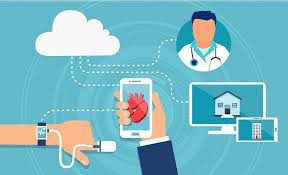
The rapid advancement of technology has revolutionized the healthcare landscape, ushering in an era of interconnected devices that enhance patient care and improve clinical outcomes. One such groundbreaking innovation is the connected medical device. In this blog, we will explore what a connected medical device is, its applications, and the transformative impact it has on healthcare delivery.
Understanding Connected Medical Devices: A connected medical device is a sophisticated piece of equipment that can collect, analyze, and transmit data wirelessly to healthcare providers, patients, or other devices. These devices are equipped with sensors, software, and communication technologies that enable seamless data exchange, making them an integral part of the Internet of Things (IoT) in healthcare.
Applications of Connected Medical Devices: Connected medical devices have a broad range of applications across various medical specialties, significantly enhancing patient care and treatment. Some key areas where these devices are making a difference include:
-
Remote Patient Monitoring: Connected medical devices allow healthcare professionals to remotely monitor patients' vital signs, chronic conditions, and treatment adherence in real-time. This continuous monitoring enables early detection of potential health issues, reducing hospital readmissions and improving overall patient outcomes.
-
Telemedicine and Telehealth: Through connected medical devices, patients can engage in virtual consultations with healthcare providers, allowing for timely diagnosis and treatment without the need for in-person visits. This technology is especially valuable for patients in rural or underserved areas.
-
Implantable Devices: Implantable medical devices, such as pacemakers and insulin pumps, are becoming increasingly connected, enabling physicians to remotely adjust settings and monitor patients' conditions more effectively.
-
Wearable Health Trackers: Fitness bands, smartwatches, and other wearable devices equipped with health-tracking capabilities help individuals monitor their physical activity, sleep patterns, heart rate, and other health metrics. This data can be shared with healthcare professionals to support personalized health management.
-
Smart Medication Dispensers: Connected medication dispensers help patients adhere to complex medication regimens by providing timely reminders and alerts. This technology is especially beneficial for elderly or chronically ill patients who may struggle with medication management.
The Transformative Impact on Healthcare: The integration of connected medical devices into healthcare systems has ushered in a new era of patient-centered care and data-driven decision-making. Some of the transformative impacts of connected medical devices include:
-
Improved Patient Outcomes: Real-time monitoring and data analysis enable healthcare providers to intervene promptly when a patient's condition changes, leading to better outcomes and reduced healthcare costs.
-
Enhanced Patient Engagement: Connected medical devices empower patients to take an active role in managing their health, leading to increased adherence to treatment plans and better disease management.
-
Data-Driven Healthcare: The data collected by connected medical devices provide valuable insights into population health trends, treatment efficacy, and healthcare system performance, supporting evidence-based medical practices and healthcare policy decisions.
-
Efficient Resource Allocation: Connected medical devices enable remote patient monitoring and telehealth, optimizing healthcare resources and reducing the burden on hospitals and clinics.
Conclusion: Connected medical devices represent a significant leap forward in the realm of healthcare technology. With their ability to collect and transmit real-time data, these devices are changing the way healthcare is delivered, enhancing patient care, and fostering a more efficient and patient-centric healthcare ecosystem. As technology continues to advance, connected medical devices will undoubtedly play an even more prominent role in improving health outcomes, revolutionizing healthcare delivery, and empowering individuals to take control of their well-being in the digital age.