Advancements in Sleep Apnea Devices: Improving Sleep Quality and Health

Advancements in Sleep Apnea Devices: Improving Sleep Quality and Health
Sleep apnea is a common sleep disorder characterized by interruptions in breathing during sleep. These interruptions, known as apneas, can be caused by the relaxation of throat muscles, obstructing the airway. This condition not only disrupts sleep patterns but can also lead to serious health consequences such as fatigue, cardiovascular problems, and impaired cognitive function. Over the years, significant progress has been made in the development of sleep apnea devices, aimed at improving sleep quality and overall health for those affected by this condition. In this article, we will explore some of the latest advancements in sleep apnea devices and how they are enhancing the lives of patients.
- Continuous Positive Airway Pressure (CPAP) Machines: CPAP machines have been a cornerstone in sleep apnea treatment for decades. These devices work by delivering a continuous flow of air through a mask, keeping the airway open and preventing apneas. Traditional CPAP machines used to be large, noisy, and uncomfortable, leading to compliance issues among patients. However, advancements in technology have led to the development of quieter, smaller, and more user-friendly CPAP machines, making them easier to incorporate into nightly sleep routines. Additionally, some models now come equipped with humidification features, reducing nasal dryness and irritation.
- BiPAP and APAP Devices: Bi-level Positive Airway Pressure (BiPAP) and Auto-titrating Positive Airway Pressure (APAP) devices are variations of the traditional CPAP machines. BiPAP machines deliver two distinct pressure levels, allowing for more comfortable breathing during exhalation. APAP machines, on the other hand, adjust the air pressure automatically based on the individual's needs throughout the night. These advanced devices are particularly beneficial for patients who struggle with higher CPAP pressures or experience varying levels of obstruction during sleep.
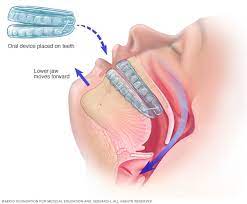
- Mandibular Advancement Devices (MADs): MADs are oral appliances designed to treat mild to moderate obstructive sleep apnea. These custom-fit devices are worn in the mouth and work by repositioning the lower jaw slightly forward, thereby preventing the airway from collapsing. They are less invasive than CPAP machines and are a popular alternative for patients who find it challenging to adapt to CPAP therapy. Recent advancements in MAD technology have improved their comfort, adjustability, and effectiveness in treating sleep apnea.
- Provent Therapy: Provent Therapy is a non-invasive, disposable treatment option for obstructive sleep apnea. It involves small nasal devices that create expiratory positive airway pressure, helping to keep the airway open during sleep. Provent Therapy is suitable for mild to moderate sleep apnea cases and is highly portable, making it a convenient choice for travelers or those who prefer a device-free option.
- Adaptive Servo-Ventilation (ASV) Devices: ASV devices are specialized machines designed for treating central sleep apnea and complex sleep apnea syndrome. Unlike obstructive sleep apnea, where the airway is blocked, central sleep apnea occurs due to a lack of respiratory effort from the brain during sleep. ASV devices continuously monitor the patient's breathing pattern and adjust pressure support accordingly, ensuring that the breathing remains smooth and consistent throughout the night.
- Hypoglossal Nerve Stimulation (HNS) Therapy: HNS therapy is a relatively new treatment option for certain cases of obstructive sleep apnea that do not respond well to other treatments. It involves a surgically implanted device that stimulates the hypoglossal nerve, controlling the tongue's movement to prevent airway blockage during sleep. This therapy has shown promising results in reducing apnea episodes and improving sleep quality in select patients.
In conclusion, advancements in sleep apnea devices have revolutionized the treatment landscape for this common sleep disorder. With options ranging from CPAP machines to oral appliances and innovative therapies, patients now have a variety of choices to improve their sleep quality and overall health. However, it is crucial to consult with a sleep specialist or healthcare professional to determine the most suitable device or therapy for individual needs and ensure effective management of sleep apnea. As technology continues to evolve, we can expect further improvements in sleep apnea devices, offering even greater relief and support to those affected by this condition.