Heat Exchanger Market 2023-2030: Advancements in Heat Transfer Technologies

Heat exchangers are vital components used in various industries to transfer heat between fluids and maintain temperature control. Over the years, significant advancements in heat transfer technologies have revolutionized the Heat Exchanger Market, enhancing efficiency, reducing energy consumption, and expanding its application areas.
Compact and micro heat exchangers have emerged as game-changers in several industries. These heat exchangers are designed to have a large surface area relative to their volume, allowing for efficient heat transfer in a compact form factor. They find applications in electronic cooling, aerospace, automotive, and HVAC systems. The miniaturization of heat exchangers has enabled the development of portable and energy-efficient devices.
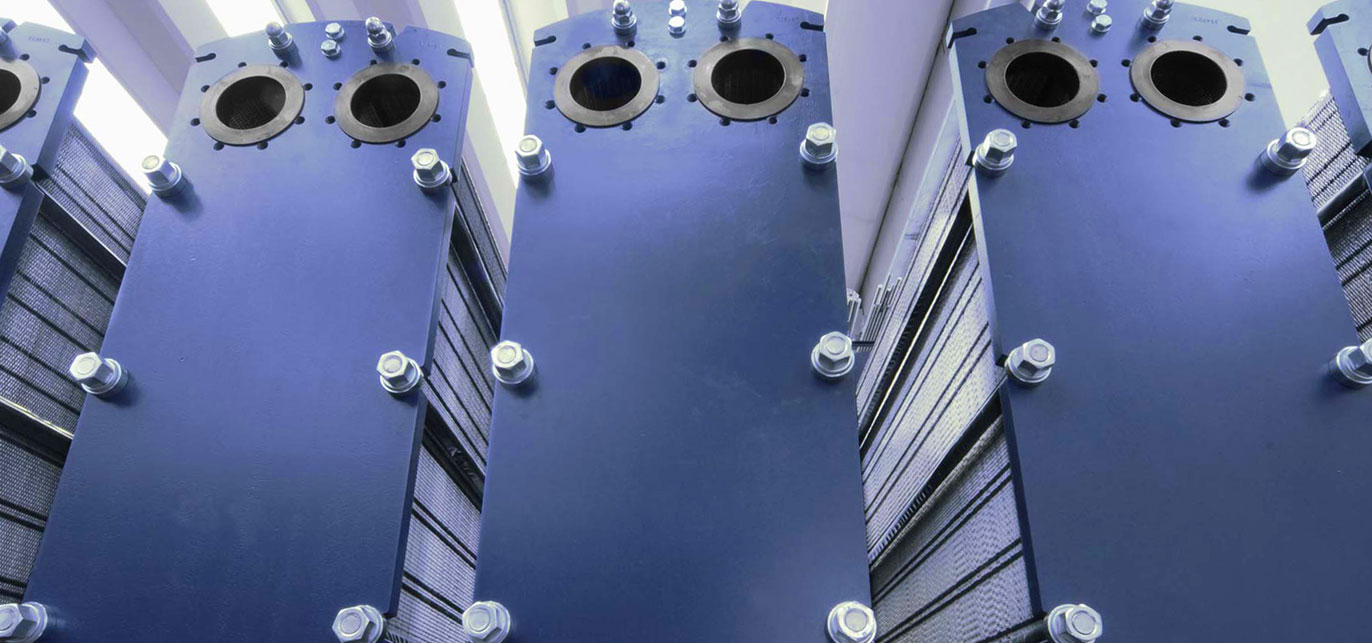
Plate heat exchangers have gained popularity due to their excellent thermal performance, compact design, and ease of maintenance. These exchangers consist of a series of corrugated metal plates that create multiple channels for the heat transfer fluids. Plate heat exchangers offer high heat transfer rates and can be easily expanded or modified based on changing process requirements. They are extensively used in the food and beverage, HVAC, and chemical industries.
According to the analysis conducted by Coherent Market Insights, the Global Heat Exchanger Market witnessed significant growth, achieving a value of USD 17,927.70 million in 2022, and it is projected to experience a remarkable compound annual growth rate (CAGR) of 5.14% from 2023 to 2030. The surge in demand for heat exchangers in residential and commercial buildings to regulate indoor temperatures efficiently is a key driver behind this growth.
Spiral heat exchangers are known for their ability to handle fluids with high fouling tendencies. Their unique design incorporates two long metal strips wound together to form spiral channels. This design reduces fouling and pressure drop, making them ideal for challenging applications involving viscous fluids or fluids with suspended solids. Spiral heat exchangers find applications in wastewater treatment, pulp and paper manufacturing, and the petrochemical industry.
Additive manufacturing, particularly 3D printing, has opened new possibilities for heat exchanger design and production. 3D-printed heat exchangers allow for complex geometries that optimize heat transfer efficiency and flow patterns. Additionally, 3D printing enables the integration of multiple functionalities into a single component, reducing assembly complexity and improving overall system performance.
Heat pipe heat exchangers use the principles of phase change to transfer heat efficiently. These exchangers consist of sealed tubes containing a working fluid that evaporates at the hot end and condenses at the cold end. The heat pipe's high thermal conductivity enables rapid heat transfer, making them effective in applications where quick thermal response is required, such as electronics cooling and spacecraft thermal control.
Coherent Market Insights' latest report indicates that the Global Digital Printing Market was valued at US$27.35 billion in 2022, with a predicted compound annual growth rate (CAGR) of 18% from 2023 to 2030. During this forecast period, the worldwide digital printing market is expected to witness substantial growth, driven by consumers' preference for high-quality textile printing. Additionally, factors such as the increasing adoption of e-commerce platforms, continuous technological advancements in the printing industry, a surge in demand for personalized products, and augmented marketing and advertising expenditures play pivotal roles in the market's growth.
Hybrid heat exchangers combine multiple heat transfer technologies into a single unit to optimize performance. For example, a hybrid heat exchanger may integrate plate and shell-and-tube configurations to achieve enhanced heat transfer efficiency and adaptability. These versatile exchangers are finding applications in the chemical process industry and power generation.
Advancements in heat transfer technologies have revolutionized the Heat Exchanger Market, offering increased efficiency, reduced energy consumption, and expanded applications. Compact and micro heat exchangers, plate heat exchangers, spiral heat exchangers, 3D-printed heat exchangers, heat pipe heat exchangers, and hybrid heat exchangers represent some of the most notable innovations in the industry. As research and development continue, the Heat Exchanger Market is expected to witness further breakthroughs, catering to evolving industry demands for higher performance, energy efficiency, and sustainability.