Personal Protective Equipment (PPE) - Safeguarding Lives and Enhancing Workplace Safety

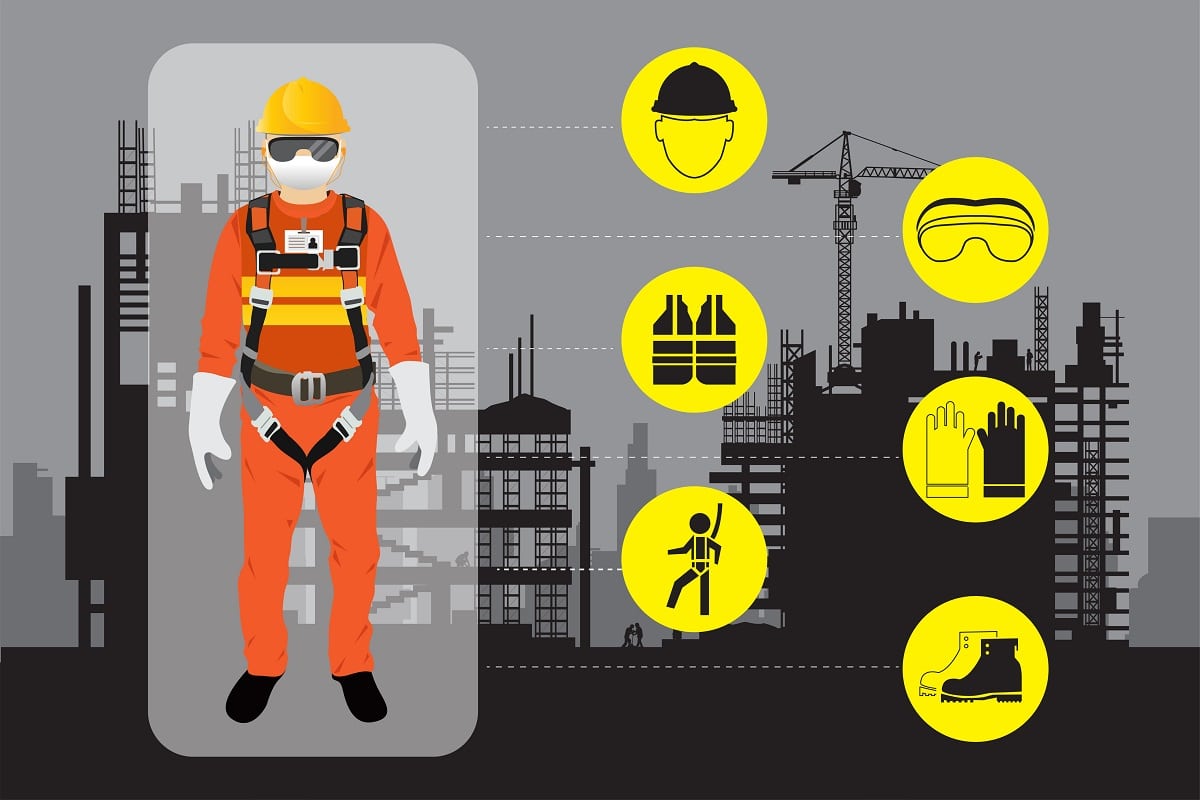
Personal Protective Equipment (PPE): Ensuring Safety and Protection
Personal Protective Equipment, commonly known as PPE, is a crucial aspect of maintaining safety and protecting individuals in various environments. Whether it be in a workplace, healthcare setting, or during emergencies, PPE plays a pivotal role in safeguarding against potential hazards and minimizing the risk of injury or illness. This comprehensive article explores the importance of PPE, its various types, and its significance in promoting a safer and healthier environment.
Importance of Personal Protective Equipment
The primary purpose of PPE is to create a barrier between the wearer and potential hazards. It serves as the last line of defense when other control measures may not fully eliminate risks. PPE is especially vital in industries such as construction, manufacturing, and healthcare, where workers encounter various hazards like chemical exposure, physical impacts, and biological contaminants.
Types of Personal Protective Equipment
Head Protection: Hard hats are a common form of head protection used in construction and industrial settings. They protect against falling objects and impacts.
Eye and Face Protection: Safety goggles, face shields, and welding helmets are essential in safeguarding the eyes and face from dust, flying debris, chemical splashes, and harmful radiation.
Hearing Protection: Earplugs and earmuffs shield the ears from loud noises and prevent hearing loss in noisy environments.
Respiratory Protection: Respirators filter out harmful airborne particles and contaminants, safeguarding the respiratory system.
Hand Protection: Gloves come in various materials and designs, providing protection against chemicals, sharp objects, and extreme temperatures.
Body Protection: Coveralls, vests, and aprons protect the body from splashes, spills, and other potential hazards.
Foot Protection: Safety boots or shoes with reinforced toes and soles offer protection against heavy objects and slippery surfaces.
Ensuring Proper Use of PPE
Simply providing PPE is not enough; it is crucial to ensure its proper use and maintenance. Employers must conduct thorough training on PPE usage, storage, and disposal. Regular inspections should be conducted to check for damage or wear and tear. Additionally, employees should be encouraged to report any issues with their PPE to ensure timely replacements.
PPE in Healthcare Settings
In healthcare, PPE is critical in preventing the spread of infections and protecting healthcare workers and patients. During outbreaks of infectious diseases like COVID-19, healthcare professionals rely heavily on PPE to limit transmission.
Conclusion
Personal Protective Equipment is a fundamental component of safety measures in various industries and settings. By providing an effective barrier against potential hazards, PPE plays a vital role in safeguarding individuals from injury, illness, and even death. Employers, employees, and individuals must recognize the importance of PPE and ensure its proper use and maintenance to create a safer and healthier environment for everyone.