Unveiling the Potential of Bacillus Subtilis Market: Harnessing Nature's Powerful Microorganism

Introduction:
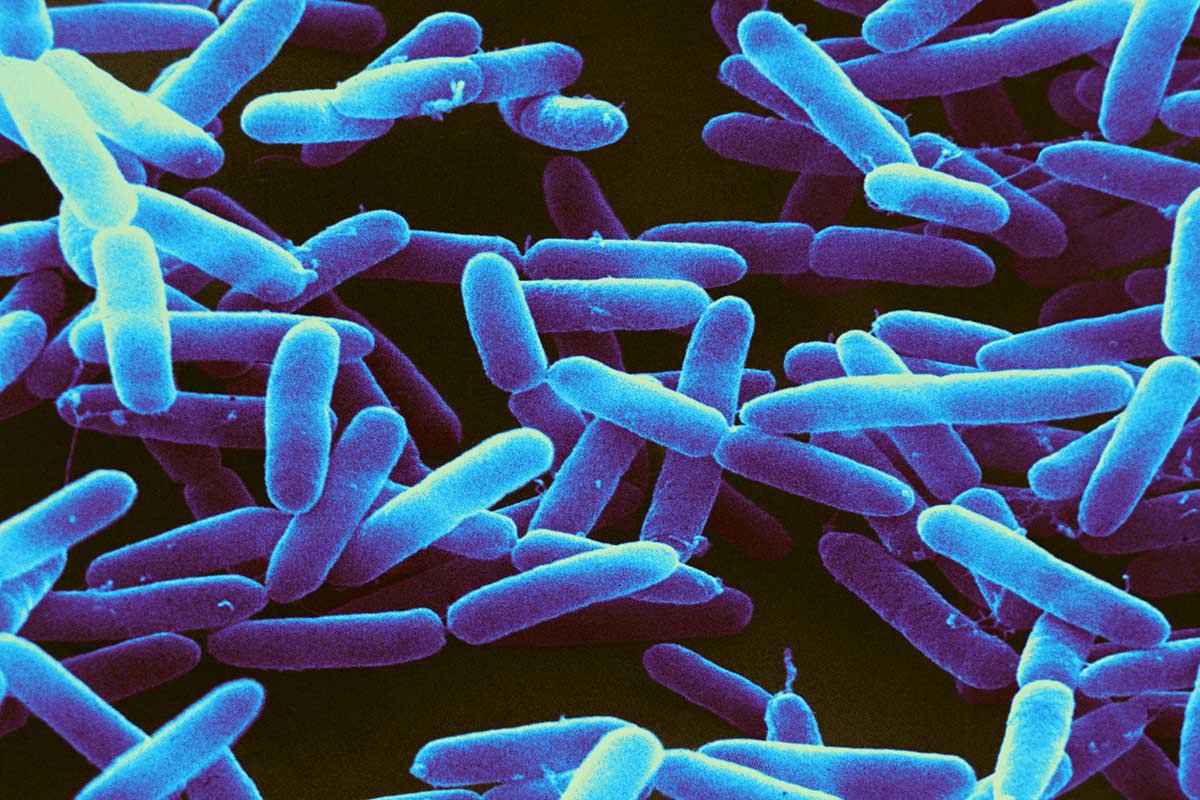
Bacillus subtilis, a naturally occurring bacterium, has emerged as a game-changer in various industries owing to its diverse range of beneficial properties. This versatile microorganism, commonly found in soil, has captivated the attention of researchers, industries, and agricultural experts due to its ability to promote plant growth, enhance soil health, and serve as a biocontrol agent against harmful pathogens. As sustainable and eco-friendly solutions gain prominence across sectors, the Bacillus subtilis market has witnessed substantial growth. This article delves into the expanding potential of Bacillus subtilis, exploring its applications, impact on agriculture, and its role in shaping a greener and more resilient future.
The Role of Bacillus Subtilis in Agriculture:
Bacillus subtilis stands out as a valuable ally in modern agriculture, offering a natural and non-toxic alternative to chemical-based fertilizers and pesticides. It acts as a plant growth-promoting rhizobacterium (PGPR), forming a symbiotic relationship with plants by colonizing their root systems. Through this association, it enhances nutrient uptake, improves soil structure, and secretes plant growth hormones, resulting in increased crop yields and improved overall plant health. Additionally, Bacillus subtilis exhibits antagonistic activity against pathogenic microorganisms, providing a biocontrol mechanism against harmful plant diseases, such as damping-off, root rot, and leaf blight. As a result, it fosters sustainable and organic farming practices, reducing the dependency on synthetic agrochemicals and minimizing environmental risks.
Market Growth Drivers:
-
Shifting Consumer Preferences: As consumers become more conscious of the impact of conventional farming practices on the environment and human health, there is a growing demand for sustainable and organic food products. Bacillus subtilis-based biofertilizers and biopesticides align perfectly with these preferences, propelling market growth.
-
Supportive Government Policies: Governments worldwide are increasingly encouraging the adoption of eco-friendly and sustainable agricultural practices. Incentives and subsidies offered to farmers for the use of biofertilizers and biopesticides, including Bacillus subtilis products, contribute to market expansion.
-
Advancements in Biotechnology: Ongoing advancements in biotechnology have facilitated the commercial-scale production and formulation of Bacillus subtilis-based products, making them more accessible and cost-effective for farmers.
Applications:
-
Biofertilizers: Bacillus subtilis-based biofertilizers provide a nutrient-rich environment for plants, stimulating growth, and enhancing crop productivity. They play a vital role in sustainable agriculture by enriching the soil with essential nutrients and improving its fertility.
-
Biopesticides: Bacillus subtilis-based biopesticides act as a natural defense against harmful plant pathogens and pests. By suppressing disease-causing organisms, they safeguard crops without causing harm to beneficial insects, soil microorganisms, or the environment.
-
Animal Feed Additives: Bacillus subtilis is also finding application in the livestock industry as feed additives. Its probiotic properties support gut health in animals, leading to improved digestion, nutrient absorption, and overall animal well-being.
Future Prospects:
The Bacillus subtilis market is poised for robust growth in the coming years, driven by the increasing demand for sustainable agriculture and environment-friendly solutions. As more farmers embrace organic practices, the adoption of Bacillus subtilis-based products is expected to rise significantly. Ongoing research and biotechnological advancements may also lead to the development of tailored Bacillus subtilis strains with enhanced beneficial traits, further expanding its applications across various sectors.
Conclusion:
Bacillus subtilis has carved a niche for itself as a bio-friendly and sustainable solution in diverse industries, particularly agriculture. Its multifaceted benefits as a biofertilizer, biopesticide, and probiotic feed additive highlight its potential in promoting ecological farming practices and reducing the ecological footprint of agriculture. As the world seeks greener alternatives to address pressing environmental challenges, Bacillus subtilis emerges as a vital player in the quest for a more sustainable and resilient future. The market's rapid growth, driven by shifting consumer preferences and supportive policies, reinforces the significance of this natural microorganism in shaping a healthier and more sustainable world.