The Beautiful Diversity of Bismuth: Unveiling the Hidden Gem of the Periodic Table

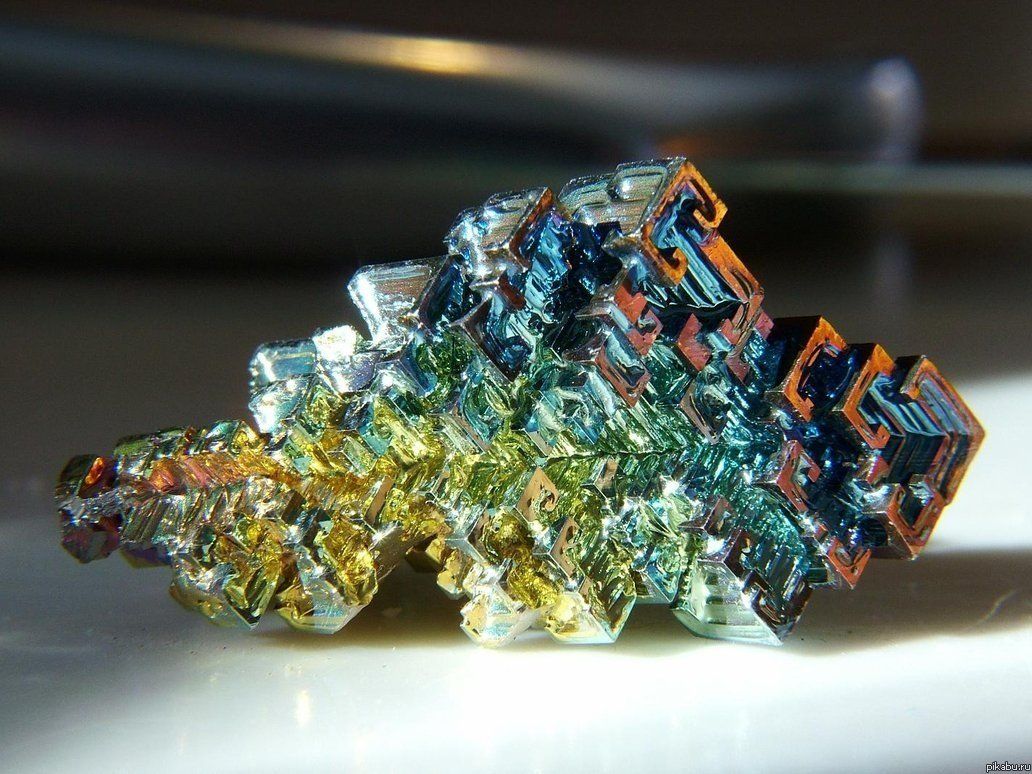
When we think of precious metals and elements, gold, silver, and platinum often come to mind. However, the periodic table is home to a plethora of fascinating elements, each with its unique characteristics and allure. Among them, bismuth stands out as a hidden gem, shining brightly with its captivating properties and diverse applications. In this blog, we will delve into the world of bismuth, exploring its history, fascinating properties, and its growing significance in various fields.
A Glimpse into Bismuth's Past
Discovered in the late 15th century by German alchemist Georgius Agricola, bismuth has a long history that dates back centuries. Unlike many elements that were utilized for their ornamental value, bismuth had practical applications from the beginning. Early metallurgists and alchemists utilized bismuth's low melting point (271.4°C) to create alloys and craft intricate works of art.
The Colorful World of Bismuth
One of the most remarkable features of bismuth lies in its appearance. Unlike other metals that sport dull gray or silver hues, bismuth flaunts a captivating array of colors when exposed to air. This unique property results from the formation of an oxide layer on its surface, causing the light to diffract and create an iridescent effect. The breathtaking rainbow-like patterns on bismuth crystals have made them popular among collectors and artists, who often use them for jewelry and decorative pieces.
The Heavyweight with a Light Touch
While bismuth boasts a relatively high atomic number (83) and is classified as a heavy metal, it is surprisingly low in toxicity compared to its counterparts like lead and mercury. This characteristic makes bismuth an attractive alternative in various applications where toxicity is a concern. In the medical field, for instance, bismuth compounds have been used in treatments for stomach ailments, such as peptic ulcers.
Bismuth's Role in Modern Technology
Beyond its ornamental and medicinal applications, bismuth plays a crucial role in modern technology. One of its primary uses is as a key component in thermal regulation systems. Bismuth's unique thermal properties, including its high thermal conductivity and low thermal expansion, make it ideal for applications in electronic devices, such as computer chips and LEDs.
Moreover, bismuth's superconducting properties have led to its use in various advanced technologies. Superconductors made with bismuth exhibit the ability to conduct electricity with little to no resistance, enabling the creation of powerful magnets for medical imaging devices like MRI machines and high-speed transportation systems like Maglev trains.
Bismuth Beyond Earth
The fascination with bismuth extends beyond our planet. Space agencies have recognized the potential of bismuth in developing advanced propulsion systems for interstellar travel. Bismuth's unique nuclear properties have made it a promising candidate for certain types of nuclear propulsion, potentially revolutionizing space exploration in the future.
Closing Thoughts
In conclusion, bismuth is undoubtedly an extraordinary element that has captured the attention of scientists, artists, and engineers alike. Its captivating appearance, diverse applications, and potential contributions to space exploration make it a hidden gem in the periodic table.
Next time you encounter bismuth, whether in the form of a mesmerizing crystal or as a crucial component in cutting-edge technology, take a moment to appreciate the beautiful diversity and potential this remarkable element offers to our world. As science and technology continue to advance, bismuth's role will likely continue to expand, making it an even more compelling subject of study and innovation.