Safety in Motion: Exploring the Technology Behind Automotive Brake Systems

When it comes to automotive safety, one of the most critical components that drivers rely on every day is the brake system. The automotive brake system is a complex and sophisticated mechanism designed to bring vehicles to a safe and controlled stop, ensuring the safety of both passengers and pedestrians. Let's take a closer look at the technology behind these vital systems that play a crucial role in keeping us safe in motion.
The foundation of an automotive brake system lies in the hydraulic brake system. When the driver presses the brake pedal, it triggers a series of actions that ultimately apply the necessary force to slow down or stop the vehicle. The brake pedal is connected to the master cylinder, which holds hydraulic brake fluid. When the brake pedal is depressed, the master cylinder pressurizes the brake fluid, sending it through the brake lines to the wheels.
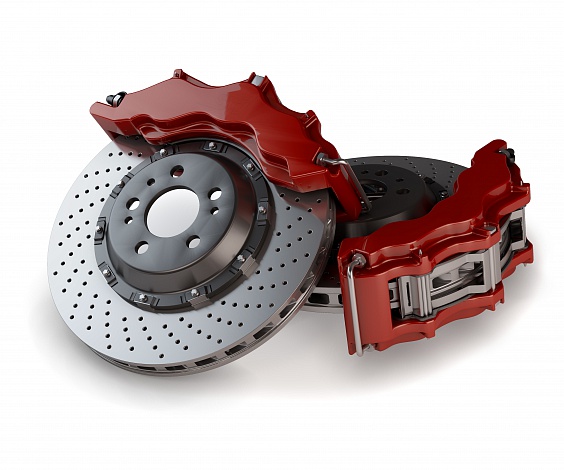
At each wheel, the brake fluid activates brake calipers or wheel cylinders, depending on the type of brake system. In disc brake systems, the brake calipers clamp down on the brake rotors, creating friction that slows down the vehicle. On the other hand, in drum brake systems, the wheel cylinders push brake shoes against the brake drums, generating friction and deceleration. The distribution of brake force to each wheel is carefully calibrated to maintain stability and prevent skidding during braking.
As technology advances, automotive brake systems have evolved to incorporate electronic components for enhanced safety and performance. Anti-lock Brake Systems (ABS) are a game-changer in modern vehicles, preventing the wheels from locking up during hard braking. ABS sensors continuously monitor the rotational speed of each wheel and modulate the brake pressure to prevent skidding, allowing the driver to maintain steering control while braking. Electronic Brakeforce Distribution (EBD) is another innovative feature that optimizes brake force distribution between the front and rear wheels, ensuring optimal stability and braking performance regardless of the vehicle's load distribution.
In conclusion, automotive brake systems are a marvel of engineering, combining hydraulic principles with electronic technology to ensure safety in motion. With their ability to bring a moving vehicle to a controlled stop efficiently, these systems are instrumental in preventing accidents and safeguarding lives. As automotive technology continues to advance, we can expect further innovations in brake system technology, continuously striving to enhance safety and provide drivers with the confidence they need to navigate the roads with peace of mind.