The Role of Face Shields in Enhancing Personal Protection during COVID-19

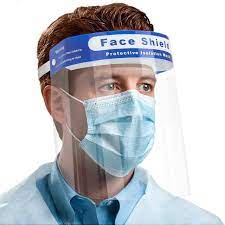
In the wake of the COVID-19 pandemic, face shields have become a vital tool in the arsenal against the virus. As a complement to face masks, these transparent, plastic visors provide an additional layer of protection for wearers, shielding them from droplets and airborne particles that may carry the virus. In this blog, we will explore the various aspects of face shields, their effectiveness, proper usage, and their potential applications in different settings.
- Understanding Face Shields:
Face shields consist of a clear plastic shield that covers the wearer's face from forehead to chin. They are typically worn in conjunction with masks to provide full-face protection. The shield acts as a physical barrier, preventing respiratory droplets from coming into direct contact with the wearer's eyes, nose, and mouth. Unlike masks, face shields also offer protection against splashes and aerosols from various sources, making them particularly useful in high-risk environments.
- Effectiveness of Face Shields:
Studies have demonstrated the efficacy of face shields in reducing the transmission of respiratory viruses. When combined with face masks, they can significantly decrease the risk of exposure. Additionally, face shields are more comfortable to wear for extended periods compared to masks, making them preferable for certain professions like healthcare workers, teachers, and those in customer-facing roles.
- Complementing Face Masks:
While face shields are valuable, they should not be considered a replacement for face masks. Face masks are essential in filtering and trapping respiratory droplets, which helps protect others from the wearer in case the wearer is infected but asymptomatic. Face shields, on the other hand, offer bidirectional protection, safeguarding both the wearer and those around them.
- Proper Usage and Maintenance:
To ensure maximum protection, proper usage and maintenance of face shields are crucial. Before wearing a face shield, it should be cleaned thoroughly with soap and water or an appropriate disinfectant. The shield should be worn in a way that covers the entire face, extending below the chin and reaching above the forehead. It should fit comfortably without obstructing the wearer's vision or airflow.
Regular cleaning and disinfection of face shields are essential to prevent the buildup of contaminants that may compromise their efficacy. If the shield becomes scratched or damaged, it should be replaced immediately, as these imperfections can obstruct visibility and reduce protection.
- Face Shields in Healthcare Settings:
In healthcare settings, face shields have been indispensable in protecting frontline workers from direct exposure to infectious patients. They provide a clear view of the wearer's face, allowing for improved communication, especially when caring for patients who rely on lip reading or non-verbal cues. Additionally, face shields can be used in conjunction with other personal protective equipment (PPE) to ensure comprehensive protection.
- Face Shields in Other Environments:
Beyond healthcare, face shields have found utility in various other settings. In educational institutions, face shields enable teachers to interact with students while maintaining safety. In the foodservice industry, they offer an extra layer of protection for workers and customers alike. Additionally, face shields have been utilized in industrial environments, laboratories, and even in public spaces during periods of increased transmission rates.
- Challenges and Limitations:
While face shields offer several advantages, they do have some limitations. They may not fit as snugly as masks, leaving gaps on the sides that allow particles to enter. The effectiveness of face shields against tiny aerosol particles is also a subject of ongoing research. Moreover, face shields alone do not protect the wearer's respiratory system from inhalation of contaminated air, making their combination with masks essential for comprehensive protection.
Conclusion:
Face shields play a crucial role in enhancing personal protection during the COVID-19 pandemic. When used alongside face masks and other preventive measures, they significantly reduce the risk of virus transmission. Their versatility and ease of use make them invaluable in various settings, from healthcare to public spaces. While face shields are not a complete solution, their integration into our defense against infectious diseases demonstrates their importance in safeguarding public health. As we continue to battle the challenges posed by COVID-19, face shields will undoubtedly remain an essential tool in our collective fight against the virus.