Unlocking the Mind: The Fascinating World of Brain-Computer Interfaces

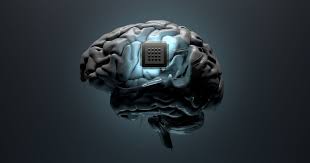
In recent years, the field of neuroscience and technology has witnessed remarkable advancements, and one of the most groundbreaking achievements in this domain is the development of Brain-Computer Interfaces (BCIs). Also known as brain-machine interfaces, these revolutionary systems establish a direct communication pathway between the human brain and external devices, opening up a world of possibilities that were once confined to the realms of science fiction. With the ability to decode and interpret brain signals, BCIs hold the potential to empower individuals with disabilities, enhance human capabilities, and revolutionize various industries.
At the core of Brain-Computer Interfaces lies the intricate relationship between the human brain and the technology that interfaces with it. BCIs rely on electroencephalography (EEG), a non-invasive method of recording electrical activity in the brain, to detect and translate brain signals into meaningful commands. Advanced signal processing and machine learning algorithms then analyze these brain signals, enabling BCIs to interpret a user's intentions and translate them into actions.
One of the most significant applications of BCIs is in assisting individuals with physical disabilities. People who have lost the ability to move their limbs due to spinal cord injuries or neurological disorders can use BCIs to control robotic arms, exoskeletons, or even computer cursors simply by imagining the movements. This breakthrough technology has the potential to dramatically improve the quality of life for those who were once limited by their physical impairments, granting them greater independence and mobility.
Moreover, BCIs have shown promise in helping patients with neurological conditions, such as locked-in syndrome or amyotrophic lateral sclerosis (ALS), to communicate with the outside world. By harnessing their brain activity, these individuals can convey their thoughts and feelings, thus breaking through the communication barriers that have confined them.
Beyond medical applications, BCIs have also found their way into other domains. In the gaming industry, companies are exploring ways to integrate BCIs into virtual reality systems, allowing players to control their in-game avatars using their thoughts. This innovation promises a new level of immersion and interactivity in the gaming experience.
Another exciting frontier for BCIs is in the field of education and learning. Researchers are investigating how BCIs can enhance cognitive abilities, memory, and learning speed. By deciphering brain activity patterns associated with specific skills or knowledge retention, BCIs could potentially optimize learning techniques and tailor educational approaches for individual learners.
However, while BCIs hold immense promise, several challenges still need to be addressed. The precision and accuracy of current BCIs are not yet perfect, and signal interference from external factors can impede their effectiveness. Additionally, ethical concerns regarding privacy, data security, and potential misuse of this technology must be thoroughly examined and addressed to ensure responsible development and implementation.
Despite these challenges, the fascinating world of Brain-Computer Interfaces continues to captivate researchers, technologists, and the general public alike. As advancements in neuroscience, machine learning, and materials science continue, we can expect BCIs to evolve rapidly, unlocking new frontiers in human-computer interaction and revolutionizing the way we interact with technology, our environment, and even our own minds.
In conclusion, Brain-Computer Interfaces represent a remarkable fusion of neuroscience and technology, allowing us to tap into the hidden potential of the human mind. With applications ranging from medical assistance to gaming and education, BCIs have the power to reshape our world and empower individuals in ways previously unimaginable. As we venture further into this fascinating realm, we must tread carefully, ensuring that we strike a balance between innovation and responsibility to harness the true potential of these awe-inspiring interfaces for the benefit of humanity.