Graphite Market: Expanding Graphite Mining and Production Activities

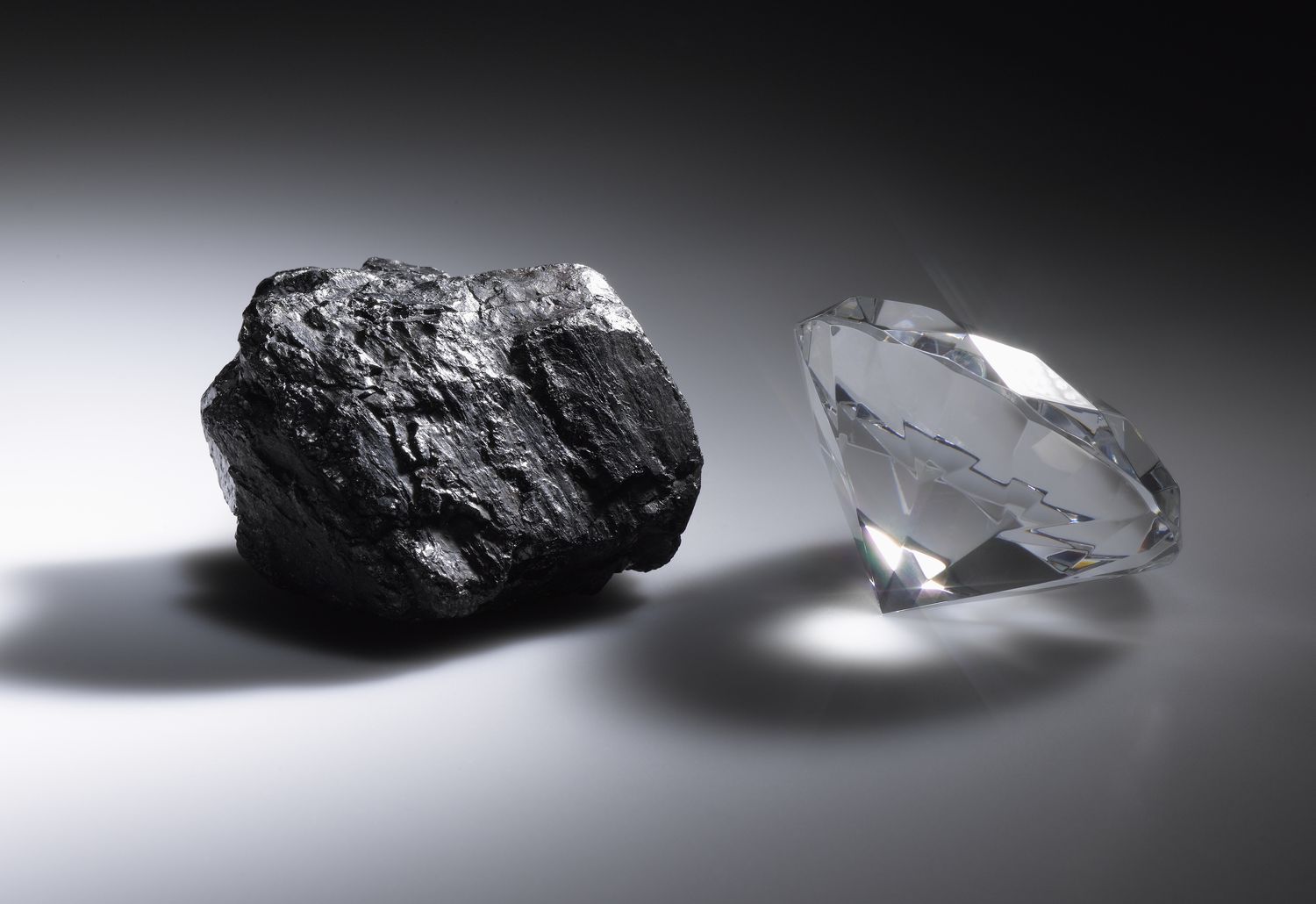
The graphite market has witnessed significant expansion in mining and production activities to meet the growing global demand. Graphite is primarily obtained through two main sources: natural graphite and synthetic graphite.
In natural graphite mining, the extraction process varies depending on the ore's deposit type, which can be either flake, amorphous, or vein graphite. China, Brazil, Canada, and India are among the major producers of natural graphite. In response to increasing demand, these countries have ramped up their mining operations, and new players have entered the graphite market.
On the other hand, the production of synthetic graphite involves the graphitization of carbon precursors. Companies in various regions, including the United States, China, and Japan, have invested in advanced technologies for synthetic graphite production to cater to diverse industrial needs.
With the expansion of graphite mining and production, there are growing concerns about environmental impacts. Mining and processing graphite can result in habitat disruption, water pollution, and carbon emissions. As a result, there is increasing attention on implementing sustainable mining practices and adopting greener production methods to minimize the ecological footprint of the graphite industry.
Furthermore, as the market evolves, there is a focus on recycling graphite from used products like lithium-ion batteries to reduce reliance on new raw materials and minimize waste.