Understanding Dry Eye Disease: Causes, Symptoms, and Treatment Options

Introduction
Imagine the feeling of having sandpaper in your eyes, the constant irritation, burning sensation, and blurry vision. Welcome to the world of Dry Eye Disease (DED), a common ocular condition affecting millions of people worldwide. Dry Eye Disease is not only uncomfortable but can also lead to serious complications if left untreated. In this blog, we will delve into the causes, symptoms, and available treatment options for this condition.
What is Dry Eye Disease?
Dry Eye Disease, also known as keratoconjunctivitis sicca, is a chronic eye condition that occurs when there is insufficient lubrication on the surface of the eye. This condition results from either reduced tear production or increased evaporation of tears, leading to an unstable tear film. Tears play a vital role in maintaining eye health, providing nourishment, lubrication, and protection to the ocular surface.
Causes of Dry Eye Disease
Several factors contribute to the development of Dry Eye Disease:
-
Aging: As we age, tear production tends to decrease, making older individuals more prone to DED.
-
Environmental Factors: Prolonged exposure to dry or windy conditions, air conditioning, and excessive screen time can exacerbate DED symptoms.
-
Medical Conditions: Certain health conditions like Sjögren's syndrome, rheumatoid arthritis, diabetes, and thyroid disorders can increase the risk of Dry Eye Disease.
-
Medications: Some medications, such as antihistamines, decongestants, and antidepressants, can reduce tear production.
-
Hormonal Changes: Hormonal fluctuations, particularly in women during pregnancy or menopause, can lead to dry eyes.
Symptoms of Dry Eye Disease
Dry Eye Disease presents a range of symptoms, which can vary from mild to severe:
-
Dryness and Irritation: A persistent feeling of dryness, grittiness, and irritation in the eyes.
-
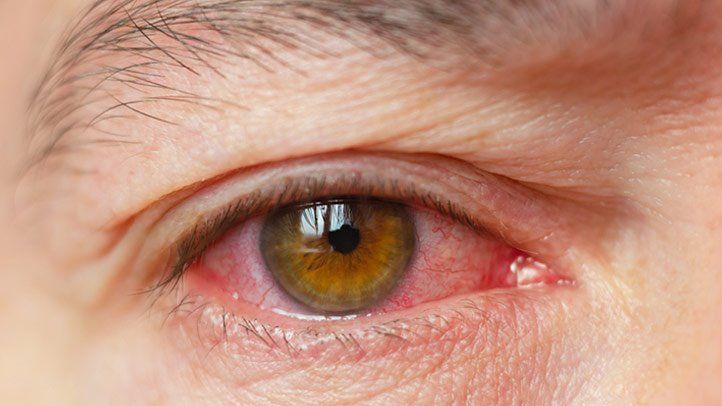
Redness: The eyes may appear red due to inflammation caused by insufficient lubrication.
-
Burning Sensation: Patients often describe a burning or stinging sensation in the eyes.
-
Blurry Vision: Vision may become blurred, especially during activities that require prolonged visual focus, such as reading or using a computer.
-
Sensitivity to Light: Dry eyes can increase sensitivity to light, causing discomfort in brightly lit environments.
-
Excessive Tearing: Paradoxically, some people experience excessive tearing as a response to the eye's dryness.
Treatment Options
The treatment of Dry Eye Disease depends on its severity and underlying causes. Here are some common treatment options:
-
Artificial Tears: Over-the-counter artificial tear solutions can help lubricate the eyes and alleviate mild dryness.
-
Prescription Eye Drops: For more severe cases, your eye doctor may prescribe medicated eye drops that reduce inflammation and increase tear production.
-
Punctal Plugs: These tiny plugs can be inserted into the tear ducts to block tear drainage, keeping the eyes moist for a longer duration.
-
Lifestyle Changes: Taking frequent breaks during screen time, using a humidifier, avoiding dry or dusty environments, and staying well-hydrated can provide relief.
-
Nutritional Supplements: Omega-3 fatty acids have shown potential in improving tear production and eye health.
-
Medication Adjustment: If dry eyes are caused by certain medications, your healthcare provider may adjust the dosage or switch to an alternative.
-
In-Office Procedures: Some patients might benefit from in-office procedures like LipiFlow, which clears blocked oil glands, improving tear stability.
Prevention
While Dry Eye Disease may not always be preventable, certain measures can reduce the risk and severity:
-
Blink Regularly: When using screens or focusing on a task, make a conscious effort to blink frequently to keep the eyes lubricated.
-
Protective Eyewear: In windy or dry conditions, wearing sunglasses or protective eyewear can shield the eyes from environmental irritants.
-
Hydration: Stay well-hydrated by drinking plenty of water throughout the day.
-
Eye Rest: Follow the 20-20-20 rule: every 20 minutes, take a 20-second break, and focus on something 20 feet away.
Conclusion
Dry Eye Disease is a prevalent condition that can significantly impact one's quality of life. If you experience persistent dryness, irritation, or any other symptoms mentioned above, consult an eye care professional promptly. Early diagnosis and appropriate management can help alleviate discomfort and prevent potential complications. Remember, proper eye care is essential for maintaining clear vision and overall well-being.