Airway Management Devices: Safeguarding Breathing, Saving Lives

Introduction
Airway management is a critical aspect of emergency medical care that directly influences a patient's ability to breathe. When faced with a situation where an individual's airway is compromised, quick and effective intervention becomes paramount. Airway management devices play a vital role in ensuring proper oxygenation and ventilation, and they are essential tools in various medical settings. In this blog, we will explore the importance of airway management devices, their types, and how they contribute to safeguarding breathing and saving lives.
1. The Significance of Airway Management
The airway is the pathway through which air enters and leaves the lungs, facilitating the exchange of oxygen and carbon dioxide. In cases of medical emergencies, trauma, or anesthesia, maintaining an open and patent airway is crucial to ensuring the patient's survival. Proper airway management is particularly vital for patients who are unconscious, undergoing surgery, or experiencing respiratory distress.
2. Types of Airway Management Devices
Airway management devices come in various forms, each designed for specific situations and patient populations. Some common types include:
a. Oropharyngeal Airway (OPA): The OPA is a simple curved tube inserted into the patient's mouth to prevent the tongue from obstructing the airway. It is commonly used in unconscious patients who do not have a gag reflex.
b. Nasopharyngeal Airway (NPA): The NPA is a soft, flexible tube inserted through the patient's nostril into the nasopharynx. It is often used when oral airway insertion is not feasible or tolerated, such as in patients with intact gag reflexes.
c. Endotracheal Tube (ETT): The ETT is a cuffed tube inserted into the trachea through the mouth or nose. It is used in critical situations where advanced airway control is required, such as during surgery, in severe respiratory distress, or for prolonged mechanical ventilation.
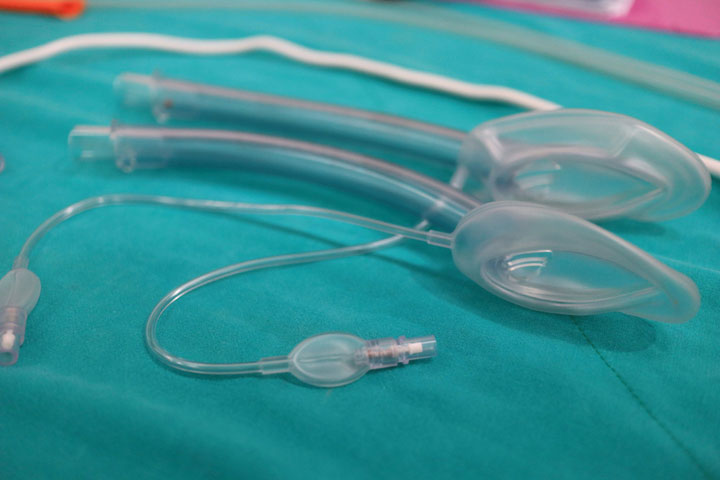
d. Supraglottic Airway Devices (SGAs): SGAs are devices that sit above the glottis and create a seal in the upper airway, allowing positive pressure ventilation. They are commonly used in emergency situations or when endotracheal intubation is challenging.
e. Laryngeal Mask Airway (LMA): The LMA is a type of SGA that forms a seal around the laryngeal inlet, facilitating positive pressure ventilation while providing a conduit for oxygen and anesthetic gases.
3. The Role of Airway Management in Cardiopulmonary Resuscitation (CPR)
In cases of cardiac arrest, airway management is a crucial component of cardiopulmonary resuscitation (CPR). During CPR, healthcare providers may use techniques such as head tilt-chin lift or jaw thrust to open the airway, followed by the insertion of appropriate airway devices, like OPAs or ET tubes, to ensure efficient ventilation.
4. Challenges and Considerations
Airway management can be challenging, especially in situations where the patient's anatomy or clinical condition presents difficulties. Special consideration must be given to patients with potential cervical spine injuries, restricted mouth opening, or facial trauma.
5. Training and Competency
Proper training and competency in airway management are essential for healthcare providers. Adequate training ensures quick and accurate placement of airway devices, minimizing the risk of complications and optimizing patient outcomes.
Conclusion
Airway management devices are indispensable tools in the field of emergency medicine, anesthesia, and critical care. Their ability to establish and maintain an open airway is pivotal in ensuring adequate oxygenation and ventilation for patients in distress. Healthcare providers must remain proficient in the use of these devices to respond effectively to emergency situations and safeguard the most fundamental aspect of life - breathing. With the continued advancements in medical technology and ongoing education, we can enhance airway management practices, further reducing the morbidity and mortality associated with airway compromise and contributing to the preservation of countless lives.