The Innovation and Technology Development in Hepatitis Vaccine Market (2022-2028)

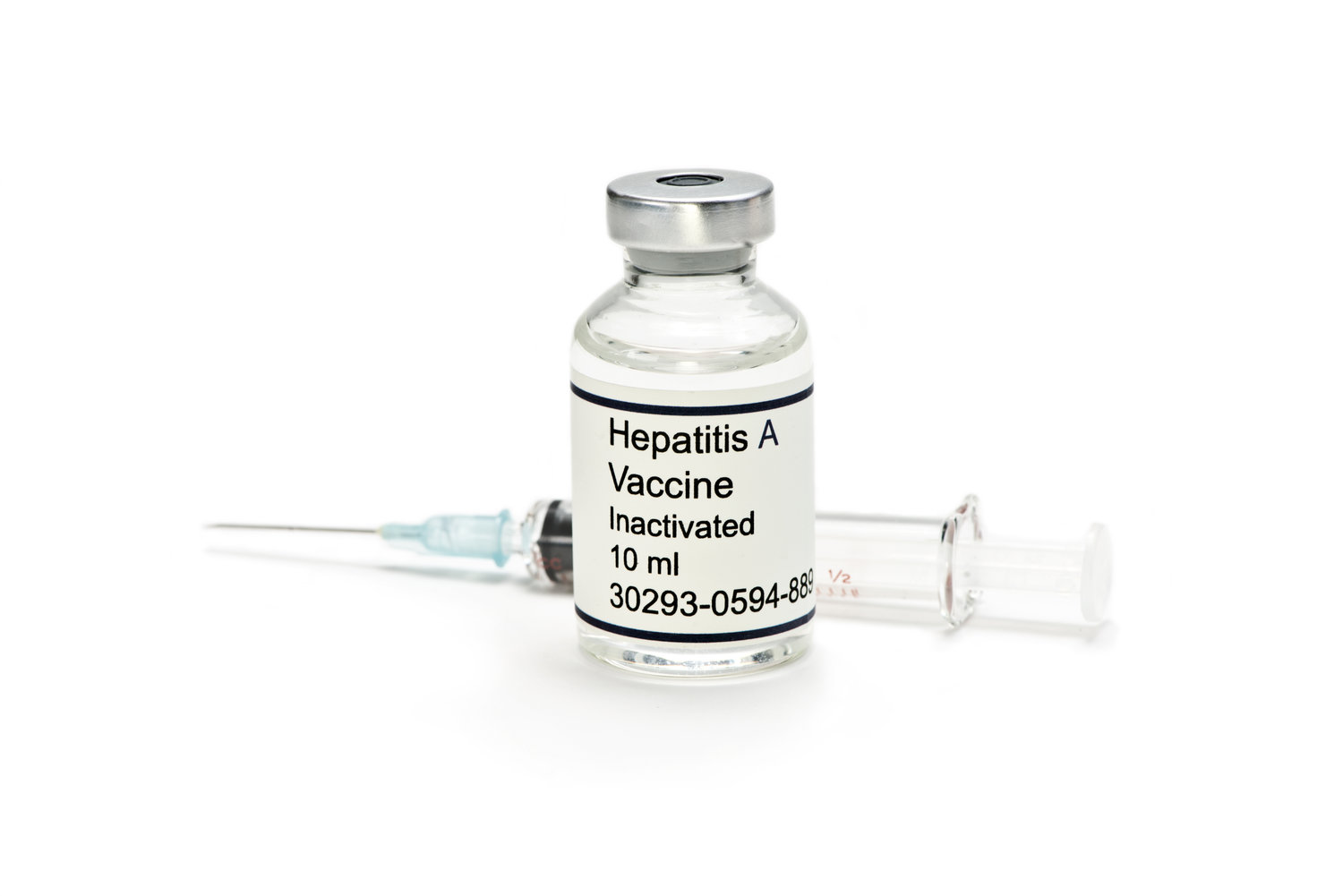
The innovation and technology development in the Hepatitis Vaccine market have witnessed significant advancements in recent years, leading to the creation of more effective, safer, and accessible vaccines. Hepatitis, caused by various viral strains (A, B, C, D, and E), remains a global health concern, affecting millions of people worldwide. Advancements in vaccine research, driven by the collaboration between pharmaceutical companies, research institutions, and governments, have been instrumental in combating the burden of hepatitis infections.
The development of next-generation vaccines is a primary focus in the Hepatitis Vaccine market. Traditional inactivated or subunit vaccines have been successful in preventing hepatitis A and B infections. However, research is ongoing to create vaccines that are more immunogenic, require fewer doses, and provide long-lasting protection. Novel vaccine platforms, such as virus-like particles (VLPs) and mRNA-based vaccines, have shown promising results in preclinical and clinical studies.
VLPs mimic the structure of the virus without being infectious, triggering a robust immune response. mRNA vaccines, like those used in COVID-19 vaccines, offer a cutting-edge approach by instructing cells to produce viral proteins, prompting an immune response. These innovative platforms are poised to revolutionize hepatitis vaccination and increase global vaccine accessibility.
In addition to preventive vaccines, researchers are exploring therapeutic vaccines for chronic hepatitis B infections. Chronic hepatitis B affects millions worldwide and can lead to severe liver damage, cirrhosis, and hepatocellular carcinoma. Therapeutic vaccines aim to modulate the immune response, enabling the immune system to recognize and control the virus more effectively.
Various Hepatitis Vaccine Market candidates are in development, focusing on enhancing the body's immune response against the virus. Though still in early stages of research, the potential impact of therapeutic vaccines in managing chronic hepatitis B could be significant in reducing disease progression and improving patient outcomes.
DNA vaccines have emerged as a promising avenue in hepatitis vaccine development. These vaccines involve the direct introduction of viral DNA into cells, triggering an immune response against the virus. DNA vaccines offer several advantages, such as stability, ease of production, and potential for rapid development.
Early-stage clinical trials for DNA-based hepatitis B vaccines have demonstrated encouraging results, showing strong immune responses and safety profiles. As research continues, DNA vaccines hold the potential to become a crucial tool in preventing hepatitis infections.
Adjuvants are substances added to vaccines to enhance the body's immune response. In the context of hepatitis vaccines, adjuvants play a vital role in improving vaccine efficacy and promoting long-term immunity. Researchers are actively exploring novel adjuvant technologies to improve the immune response to hepatitis vaccines.
Some recent advancements in adjuvant development include nanoparticle-based adjuvants and toll-like receptor agonists. These innovations aim to fine-tune the body's immune response, leading to better protection against hepatitis viruses and potentially reducing the required vaccine dosage.
The fight against hepatitis infections relies on collaborative efforts between various stakeholders, including governments, non-governmental organizations, academic institutions, and pharmaceutical companies. Global initiatives like the World Health Organization's (WHO) Global Vaccine Action Plan and the Coalition for Epidemic Preparedness Innovations (CEPI) have been instrumental in promoting vaccine research and development, particularly during outbreaks or pandemics.
Public-private partnerships play a crucial role in vaccine research and manufacturing, enabling access to resources, expertise, and funding. These collaborations accelerate vaccine development and ensure a wider reach of vaccines to vulnerable populations.
Conclusion: The innovation and technology development in the Hepatitis Vaccine Market have opened up exciting possibilities for more effective and accessible vaccines. Next-generation vaccines, therapeutic approaches, DNA vaccines, and advancements in adjuvant technology are shaping the landscape of hepatitis vaccination. Collaborative research efforts and global initiatives are driving progress and ensuring that vaccines reach the populations that need them the most. As these advancements continue to evolve, there is hope for a future where hepatitis infections are better controlled, leading to improved public health outcomes worldwide.