Maximizing Your Gains: A Comprehensive Guide to Protein Supplements for Optimal Fitness Results

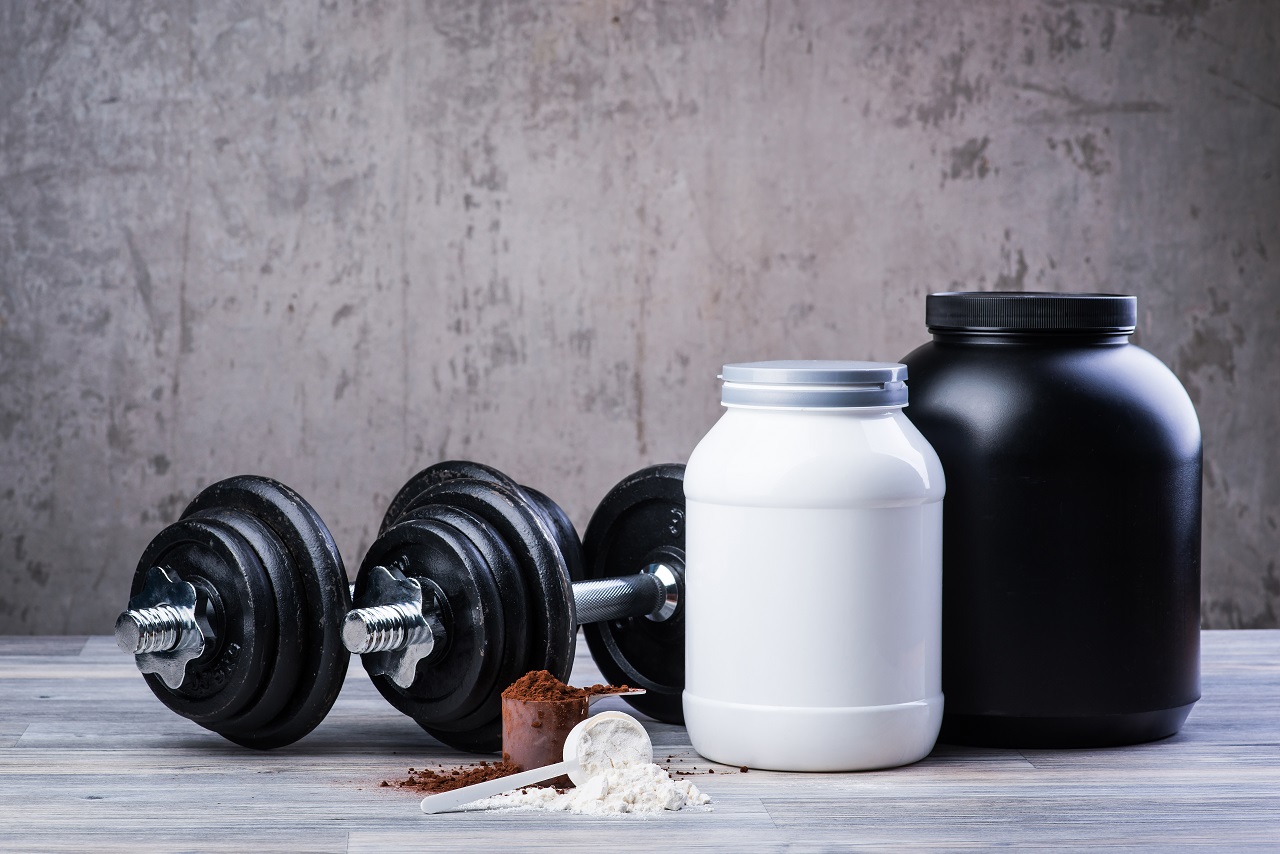
When it comes to achieving your fitness goals, whether it's building lean muscle, improving athletic performance, or simply maintaining a healthy lifestyle, protein is an essential nutrient that plays a crucial role. While a balanced diet can provide a significant amount of protein, many fitness enthusiasts turn to protein supplements to meet their increased dietary needs efficiently. In this comprehensive guide, we'll delve into the world of protein supplements, exploring their benefits, types, and how to make the most of them for optimal fitness results.
Understanding the Importance of Protein: Fueling Your Body for Success
Proteins are the building blocks of our bodies, responsible for repairing tissues, supporting immune function, and aiding in various metabolic processes. For individuals regularly engaging in strenuous physical activities, such as weightlifting, running, or intense workouts, the protein requirements increase to repair and build muscles effectively. Here's where protein supplements can be highly beneficial.
Types of Protein Supplements: Finding the Right Fit for You
The market offers a variety of protein supplements, each with its unique characteristics. Some of the most popular ones include:
-
Whey Protein: Derived from milk, whey protein is a fast-absorbing and rich source of essential amino acids. It is an excellent option for post-workout recovery due to its rapid digestion.
-
Casein Protein: Also derived from milk, casein protein digests slowly, providing a steady release of amino acids over an extended period. This makes it ideal for a nighttime supplement, as it can help prevent muscle breakdown during sleep.
-
Plant-Based Proteins: Ideal for vegans and those with lactose intolerance, plant-based protein supplements are derived from sources like soy, pea, hemp, or rice. These supplements offer a complete amino acid profile and are easy on the digestive system.
-
Collagen Protein: Collagen supplements have gained popularity for their role in promoting healthy joints, skin, and hair. While they may not be a complete protein source, they can be a valuable addition to your regimen.
Benefits of Protein Supplements: Beyond Muscle Building
Protein supplements offer more than just muscle-building benefits. They can help with:
-
Convenience: Protein shakes and bars are convenient options, especially for individuals with busy schedules, as they provide a quick and easy way to meet daily protein needs.
-
Weight Management: Protein-rich supplements can help increase satiety and reduce overall calorie intake, supporting weight loss and weight maintenance efforts.
-
Muscle Recovery and Repair: Consuming protein after a workout aids in muscle recovery and repair, reducing muscle soreness and improving overall performance.
-
Muscle Preservation during Weight Loss: When aiming to shed body fat, protein supplements can help preserve lean muscle mass, preventing muscle loss during caloric deficits.
Incorporating Protein Supplements into Your Routine: Dosage and Timing
To maximize the benefits of protein supplements, consider the following tips:
-
Determine Your Protein Needs: Calculate your daily protein requirements based on your activity level and fitness goals. Generally, consuming 0.8 to 1 gram of protein per pound of body weight is a good starting point for most individuals.
-
Timing Matters: Consume a protein-rich supplement within an hour after your workout to support muscle recovery and growth. Additionally, spacing out protein intake evenly throughout the day can enhance protein synthesis.
-
Balanced Diet: Supplements should complement a well-rounded diet. Avoid relying solely on supplements and prioritize whole, nutrient-dense foods.
In conclusion, protein supplements can be valuable allies in your fitness journey, providing essential nutrients and aiding in muscle growth, recovery, and overall health. However, it's essential to remember that they should not replace a balanced diet. By understanding your protein needs, selecting the right type of supplement, and incorporating them strategically into your routine, you can make the most of these supplements and achieve your fitness goals efficiently. Always consult with a healthcare professional or registered dietitian before making significant changes to your diet or supplement regimen.