Carboxymethyl Cellulose: From Renewable Resource to Sustainable Solutions

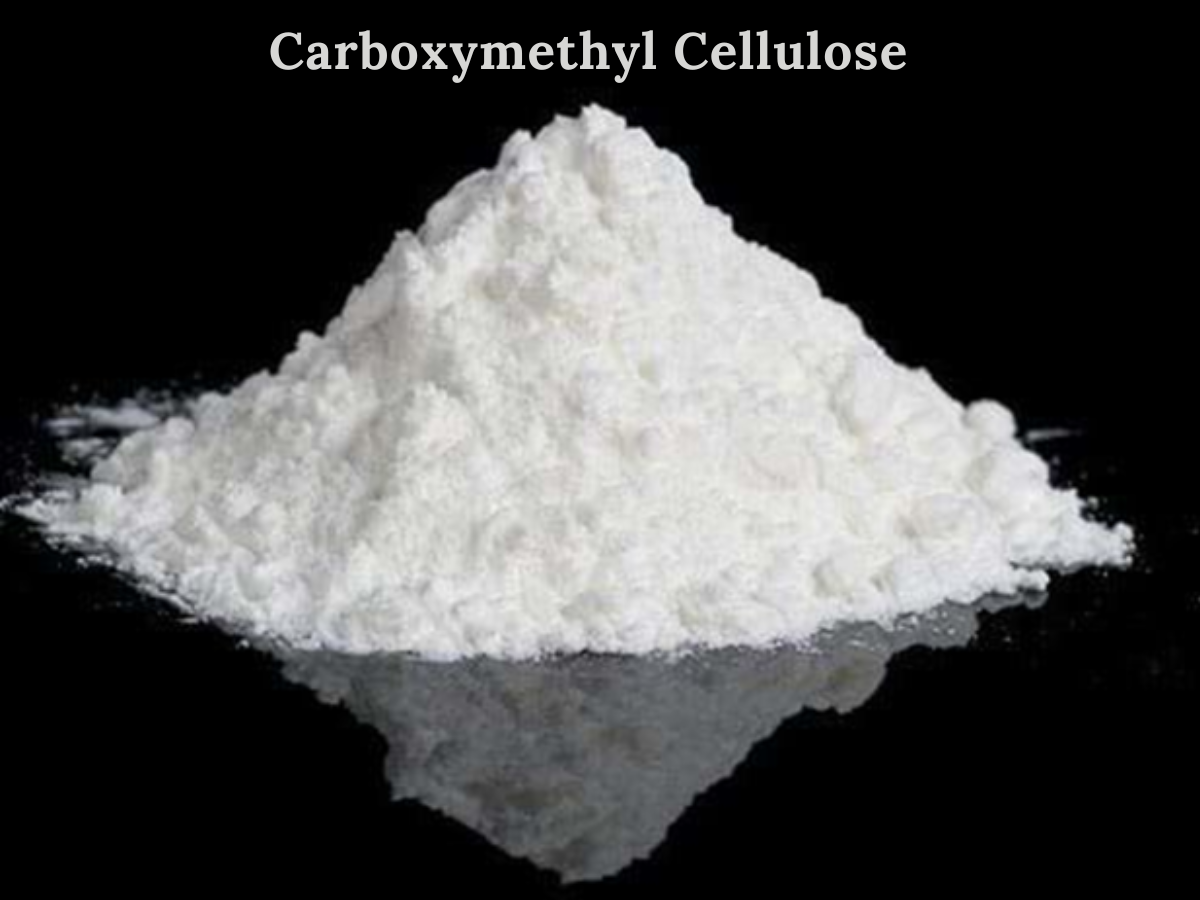
Carboxymethyl Cellulose (CMC) is a fascinating and versatile compound that has found its way into numerous industries and applications. Derived from cellulose, one of the most abundant biopolymers on Earth, CMC has garnered attention for its exceptional properties and sustainable nature. In this article, we will explore the molecular structure, production process, and the diverse applications of Carboxymethyl Cellulose.
Molecular Structure and Production
CMC is a water-soluble derivative of cellulose, the primary structural component of plant cell walls. Chemically, it is synthesized by reacting cellulose with chloroacetic acid, leading to the substitution of hydroxyl groups in the cellulose chain with carboxymethyl groups. This substitution imparts a negative charge to CMC molecules, making it highly water-soluble and giving rise to its excellent thickening and stabilizing properties.
The production of CMC begins with cellulose extraction, which can be sourced from various plant materials like wood pulp, cotton, or even waste from agricultural industries. After purification, the cellulose is reacted with sodium hydroxide to activate the hydroxyl groups, and then chloroacetic acid is added to introduce carboxymethyl groups. The degree of substitution and molecular weight of CMC can be controlled during the synthesis process, tailoring the final properties to meet specific application requirements.
Applications of Carboxymethyl Cellulose
-
Food and Beverage Industry: CMC is widely used as a thickener, stabilizer, and texture modifier in various food products. It prevents ice crystal formation in frozen desserts, improves the texture of dairy products, and enhances the stability of emulsions in salad dressings and sauces.
-
Pharmaceuticals: In pharmaceuticals, CMC is commonly employed as a binder in tablet formulations, ensuring the cohesion of powdered ingredients. It also acts as a controlled-release agent, delivering medications over an extended period.
-
Personal Care Products: CMC is an essential ingredient in many personal care items, such as toothpaste, shampoos, and lotions, providing the desired viscosity and smooth texture.
-
Oil and Gas Industry: CMC finds applications in drilling fluids as a viscosifier and fluid loss reducer, enhancing the efficiency and safety of drilling operations.
-
Paper Industry: CMC is added to paper coatings and sizing formulations to improve paper strength, retention of fillers, and printing quality.
-
Textile Industry: CMC is used in textile printing and dyeing processes as a thickener for dye pastes, allowing for precise and vibrant designs.
-
Water Treatment: CMC is utilized in water treatment processes as a flocculant, aiding in the removal of suspended particles and impurities.
Conclusion
Carboxymethyl Cellulose is undoubtedly a remarkable compound with a myriad of applications across industries, providing eco-friendly and sustainable solutions to various challenges. Its unique combination of properties, such as water solubility, biodegradability, and non-toxicity, make it an indispensable component in a wide range of products and processes. As the world continues to seek greener and more sustainable alternatives, the versatility of Carboxymethyl Cellulose ensures it will remain at the forefront of innovation and industry for years to come.