Advancements in Uveitis Treatment: A Comprehensive Review of Therapeutic Approaches and Emerging Strategies

Introduction
Uveitis is a complex and potentially sight-threatening inflammatory condition affecting the uvea, which includes the iris, ciliary body, and choroid of the eye. It is a heterogeneous group of disorders that can manifest in various forms, such as anterior, intermediate, posterior, and panuveitis. The treatment of uveitis has evolved significantly over the years, with ongoing research and advancements in therapeutic approaches aiming to achieve better outcomes and improved quality of life for patients. This article provides a comprehensive review of the latest advancements in uveitis treatment, encompassing various therapeutic strategies and emerging approaches.
Corticosteroids and Immunomodulators
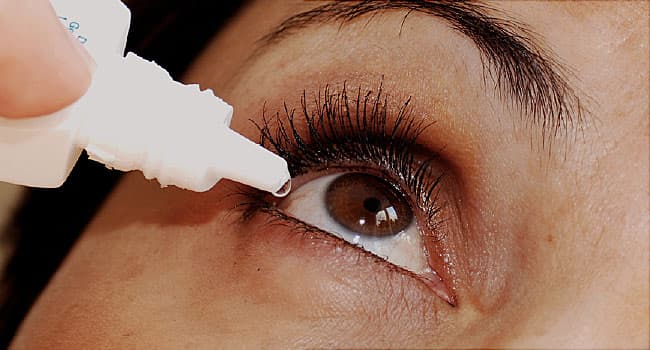
Corticosteroids have long been the mainstay of uveitis treatment due to their potent anti-inflammatory properties. Traditional treatment approaches have involved topical, periocular, and systemic administration of corticosteroids. However, prolonged use of systemic corticosteroids can lead to severe side effects, such as glaucoma, cataracts, and systemic immunosuppression. To address these concerns, the focus has shifted toward localized and sustained delivery of corticosteroids using intravitreal implants, which can provide effective treatment while minimizing systemic adverse effects.
In addition to corticosteroids, immunomodulatory agents have emerged as essential components of uveitis management. Drugs like methotrexate, azathioprine, mycophenolate mofetil, and cyclosporine have shown promise in controlling uveitis and reducing the need for long-term corticosteroid therapy. These agents work by suppressing the immune system and have demonstrated efficacy in various uveitis subtypes.
Biological Therapies
The introduction of biological therapies, such as tumor necrosis factor-alpha (TNF-α) inhibitors (e.g., adalimumab, infliximab) and interleukin-6 (IL-6) receptor antagonists (e.g., tocilizumab), has revolutionized the treatment of refractory uveitis. These agents specifically target key inflammatory molecules and pathways involved in uveitis pathogenesis. Biological therapies have shown remarkable results in controlling inflammation and preserving visual acuity in cases resistant to conventional treatments. However, their use requires careful monitoring due to potential side effects like infections and immunogenicity.
Janus Kinase (JAK) Inhibitors
Another exciting class of drugs in the field of uveitis treatment is Janus kinase (JAK) inhibitors. JAK inhibitors block the activity of Janus kinases, which play a crucial role in the signaling of pro-inflammatory cytokines. Recent studies have demonstrated the potential of JAK inhibitors, such as tofacitinib and baricitinib, in managing uveitis, particularly in cases with underlying autoimmune diseases like juvenile idiopathic arthritis. These agents offer a novel therapeutic approach for patients who have not responded to traditional treatments or biological therapies.
Surgical Interventions
In cases of uveitis complicated by secondary cataracts, glaucoma, or vitreous opacities, surgical interventions may be necessary to restore vision and manage complications. Cataract surgery combined with intraocular lens implantation can significantly improve visual function in patients with cataracts resulting from uveitis. Moreover, glaucoma drainage devices and vitrectomy procedures have been employed to manage intractable glaucoma and vitreous opacities, respectively.
Emerging Strategies
Advancements in technology and research continue to open up new avenues for uveitis treatment. Gene therapy, for instance, holds promise in targeting specific genetic factors contributing to uveitis pathogenesis. By modifying gene expression, researchers hope to control inflammation and prevent disease progression effectively.
Furthermore, personalized medicine approaches are being explored to tailor treatment strategies based on individual patient characteristics, including genetic predisposition and biomarkers associated with disease severity and response to therapy.
Conclusion
In conclusion, the management of uveitis has evolved significantly over the years, with advancements in therapeutic approaches ranging from localized corticosteroid delivery to targeted biological and immunomodulatory therapies. These innovative treatments have transformed the outlook for patients with uveitis, offering improved control of inflammation and better preservation of vision. As research continues to unravel the complexities of uveitis pathogenesis, the future holds promise for even more effective and personalized treatment strategies to benefit patients suffering from this challenging ocular condition.