Revealing the Dynamic World: Live Cell Imaging Unravels Cellular Secrets

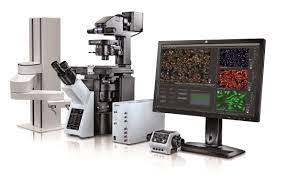
The field of live cell imaging has revolutionized our understanding of cellular biology by enabling scientists to observe and study living cells in real-time. This powerful technique has provided unprecedented insights into the dynamic processes that govern cellular functions, unlocking a treasure trove of cellular secrets that were once shrouded in mystery.
At the heart of live cell imaging lies the integration of advanced microscopy, sophisticated imaging technologies, and fluorescent markers. These tools collectively empower researchers to peer inside living cells with incredible precision and resolution, capturing their behaviors, interactions, and responses to various stimuli. Unlike conventional fixed-cell imaging, where cells are fixed and preserved before analysis, live cell imaging allows scientists to study cellular activities in their natural environment, preserving their physiological relevance.
One of the key advantages of live cell imaging is the ability to visualize dynamic processes such as cell division, organelle movement, and protein trafficking. With this technique, researchers can watch in real-time as cells divide and multiply, gaining insights into the molecular mechanisms underlying cell division and proliferation. Additionally, the movements of organelles within cells, such as mitochondria or endoplasmic reticulum, can be tracked, shedding light on how cells maintain their structure and function.
The use of fluorescent markers, like green fluorescent protein (GFP) and its variants, allows specific cellular structures and molecules to be labeled with fluorescent tags, making them visible under the microscope. This groundbreaking approach enables researchers to track the behavior of individual proteins, receptors, and other molecules, providing a detailed understanding of their localization and functions within the cell.
Live cell imaging has also played a crucial role in studying cell signaling pathways and cellular responses to external stimuli. By observing cells in real-time as they interact with hormones, growth factors, or drugs, scientists can pinpoint the exact moment and manner in which cells react to these stimuli. This has far-reaching implications for drug development and personalized medicine, as it offers a deeper understanding of how different individuals' cells might respond to specific treatments.
In the field of neuroscience, live cell imaging has been instrumental in unraveling the mysteries of the brain's complexity. Neuroscientists can now observe individual neurons firing, forming synapses, and communicating with each other in real-time. This has significantly advanced our knowledge of brain function, learning, and memory.
Moreover, live cell imaging has opened up exciting possibilities for the study of diseases and their underlying mechanisms. By observing living cells from patients with various diseases, researchers can gain valuable insights into disease progression, cellular dysfunction, and potential therapeutic targets. This information has the potential to accelerate drug discovery and the development of novel treatments for a wide range of illnesses, including cancer, neurodegenerative disorders, and infectious diseases.
Despite its tremendous potential, live cell imaging also comes with challenges. The use of fluorescent markers and intense light exposure can cause phototoxicity, potentially altering cellular behavior. Researchers need to carefully balance image quality and the health of the cells under observation. Additionally, the sheer volume of data generated by live cell imaging requires sophisticated computational and analytical tools to make sense of the information effectively.
In conclusion, "Revealing the Dynamic World: Live Cell Imaging Unravels Cellular Secrets" aptly captures the essence of this groundbreaking technique. Live cell imaging has transformed the landscape of cellular biology, empowering scientists to explore the intricate world of living cells and unlock their secrets. From fundamental biological processes to disease mechanisms and potential therapeutic interventions, live cell imaging continues to be a driving force behind countless scientific discoveries, with the potential to impact human health and our understanding of life itself.