Neurology Monitoring: Advancing Brain Health through Cutting-Edge Technologies

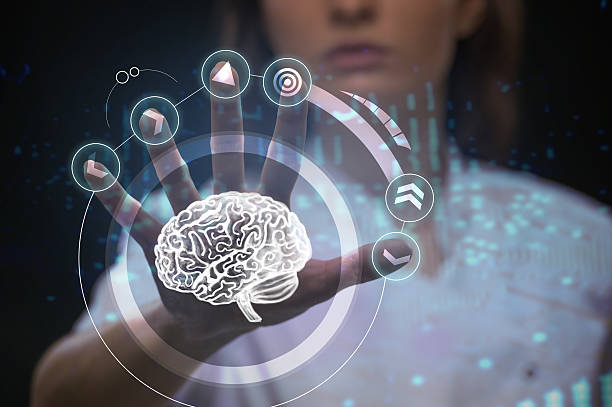
Neurology monitoring is a crucial aspect of healthcare that involves the continuous and non-invasive assessment of brain function and neurological activity. The brain, being the command center of the human body, requires meticulous observation and evaluation to diagnose, treat, and manage various neurological conditions. In this comprehensive exploration, we delve into the world of neurology monitoring, uncovering the sophisticated technologies and methodologies that enable healthcare professionals to gain valuable insights into brain health and improve patient outcomes.
The Importance of Neurology Monitoring
Neurological disorders and brain injuries can have significant impacts on an individual's quality of life. Neurology monitoring plays a vital role in understanding brain function, detecting abnormalities, and guiding personalized treatment plans to address neurological conditions effectively.
Non-Invasive Neuroimaging Techniques
Non-invasive neuroimaging techniques offer unparalleled insights into the structure and function of the brain. Technologies like magnetic resonance imaging (MRI), computed tomography (CT), and positron emission tomography (PET) provide detailed images of the brain's anatomy and metabolism, aiding in the diagnosis of brain tumors, strokes, neurodegenerative diseases, and other neurological disorders.
Electroencephalography (EEG) Monitoring
EEG is a widely used neurology monitoring technique that records electrical activity in the brain through electrodes placed on the scalp. EEG is essential in diagnosing and managing epilepsy, sleep disorders, and other conditions related to abnormal brain electrical activity.
Functional Magnetic Resonance Imaging (fMRI)
fMRI is a specialized MRI technique that measures brain activity by detecting changes in blood flow. This technique enables researchers and healthcare professionals to map brain regions associated with specific functions, such as language, memory, and motor skills.
Invasive Monitoring Techniques
In certain cases, invasive neurology monitoring techniques may be necessary to obtain more precise information. Intracranial electrodes and other devices are used to directly measure brain activity and guide surgical interventions, especially in cases of epilepsy and brain tumor resections.
Continuous EEG (cEEG) Monitoring in Intensive Care
In intensive care units, cEEG monitoring is employed to monitor brain activity continuously in critically ill patients. This allows prompt detection of seizures, brain injuries, and other neurological complications, enabling timely interventions.
Brain-Computer Interfaces (BCIs)
BCIs represent groundbreaking technology that enables direct communication between the brain and external devices. BCIs have the potential to restore mobility and communication abilities in individuals with severe neurological impairments, such as spinal cord injuries or locked-in syndrome.
Neurological Biomarkers
Researchers are continually exploring neurological biomarkers, which are measurable indicators of brain function or disease. These biomarkers hold promise for early diagnosis, disease progression monitoring, and the evaluation of treatment efficacy in various neurological conditions.
Telemedicine and Remote Neurology Monitoring
Advancements in telemedicine have transformed neurology monitoring, allowing healthcare professionals to remotely assess and monitor patients' neurological status. Telemedicine has particularly been valuable in providing specialized care to individuals in rural or underserved areas.
Neurology Monitoring in Research and Drug Development
Neurology monitoring plays a crucial role in clinical trials and drug development for neurological disorders. Biomarkers and imaging techniques help researchers evaluate the safety and efficacy of new treatments, accelerating the development of potential therapies.
Challenges and Future Directions
Despite significant advancements, neurology monitoring still faces challenges such as the need for more accessible and affordable technologies, data integration and analysis, and ethical considerations related to brain privacy and data security. However, ongoing research and technological innovations promise a brighter future for enhanced brain health assessment and management.
Conclusion
Neurology monitoring stands at the forefront of modern healthcare, offering valuable insights into brain function and neurological conditions. From non-invasive neuroimaging techniques to brain-computer interfaces, these advanced technologies revolutionize the diagnosis, treatment, and management of neurological disorders. As neurology monitoring continues to evolve, it brings us closer to a future where comprehensive brain health assessment and personalized interventions will improve the lives of countless individuals worldwide.