Understanding and Treating Ear Infections: A Comprehensive Guide

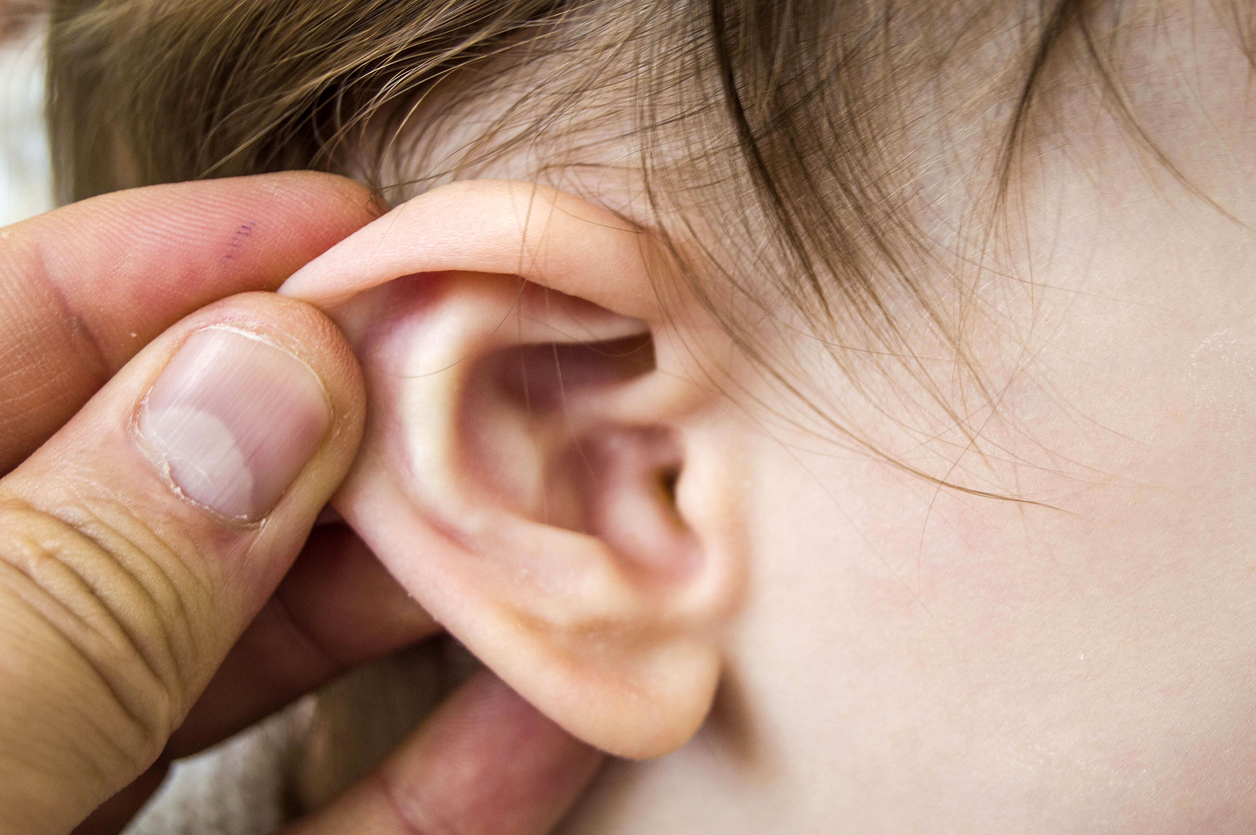
Ear infections are a common medical condition that affects people of all ages, but they are particularly prevalent in children. These infections can cause discomfort, pain, and even temporary hearing loss. In this blog, we will delve into the causes, symptoms, diagnosis, and treatment options available for ear infections. Remember, this blog is not a substitute for professional medical advice. If you suspect you or a loved one has an ear infection, consult a healthcare professional promptly.
Understanding Ear Infections
An ear infection, also known as otitis media, occurs when the middle ear becomes inflamed and infected. The middle ear is the space behind the eardrum that contains the tiny bones responsible for conducting sound vibrations. Bacteria or viruses are usually the culprits behind ear infections, although sometimes, they can also result from allergies or blockages due to enlarged adenoids.
Common Symptoms of Ear Infections
Ear infections can manifest in various ways, and the symptoms may differ depending on the age of the individual affected. The most frequent symptoms include:
- Ear pain or discomfort: Children may pull or tug at their ears in response to the pain.
- Difficulty sleeping: Pain often worsens when lying down.
- Fluid drainage from the ear: Pus or clear fluid might be visible.
- Hearing difficulties: Sounds may appear muffled or faint.
- Fever: In some cases, a high temperature may be present.
- Irritability and fussiness: Especially in young children who cannot express their discomfort verbally.
- Loss of balance: Due to the impact of the infection on the inner ear.
Diagnosing Ear Infections
If you suspect an ear infection, it's essential to visit a healthcare professional for an accurate diagnosis. During the examination, the doctor will use an otoscope to look inside the ear for signs of inflammation, fluid buildup, or infection. They may also inquire about the patient's medical history and symptoms to make an informed diagnosis.
Treatment Options for Ear Infections
- Antibiotics: If the ear infection is bacterial in nature and severe, the doctor may prescribe antibiotics. It is crucial to complete the full course of antibiotics to ensure the infection is fully eradicated and to prevent antibiotic resistance.
- Pain Management: Over-the-counter pain relievers like acetaminophen or ibuprofen can help alleviate ear pain and discomfort. Always follow the recommended dosage and consult a doctor if you have any concerns.
- Warm Compress: Applying a warm compress to the affected ear can help soothe pain and reduce inflammation.
- Ear Drops: Ear drops may be recommended by a healthcare professional to relieve pain or help with wax removal.
- Watchful Waiting: In some cases, especially with mild infections, the doctor may suggest a wait-and-see approach to see if the infection resolves on its own. This approach is often used with older children and adults.
- Myringotomy: If recurrent ear infections or fluid buildup become chronic issues, a surgical procedure called myringotomy may be considered. During this procedure, a small incision is made in the eardrum to drain the fluid and relieve pressure.
Preventing Ear Infections
While some ear infections cannot be entirely prevented, several measures can reduce the risk of contracting them:
- Vaccinations: Staying up-to-date with vaccinations, particularly the pneumococcal and influenza vaccines, can reduce the likelihood of ear infections.
- Hand Hygiene: Regularly washing hands with soap and water can help prevent the spread of germs that lead to ear infections.
- Avoiding Secondhand Smoke: Exposure to secondhand smoke can increase the risk of ear infections in children.
- Breastfeeding: Breastfeeding, especially during the first six months of life, can boost a baby's immune system and lower the risk of ear infections.
Conclusion
Ear infections are a prevalent condition that can affect individuals of all ages, causing discomfort, pain, and temporary hearing loss. Prompt diagnosis and appropriate treatment are essential to managing ear infections effectively. If you suspect an ear infection, seek professional medical advice and follow their recommendations for treatment.
Remember, every individual's medical situation is unique, and this blog provides general information only. Always consult a healthcare professional for personalized advice and treatment options tailored to your specific needs. By taking preventive measures and seeking timely treatment, we can minimize the impact of ear infections and ensure better ear health for ourselves and our loved ones.