Unveiling the Future of Sustainable Packaging: Exploring Cellulose Films

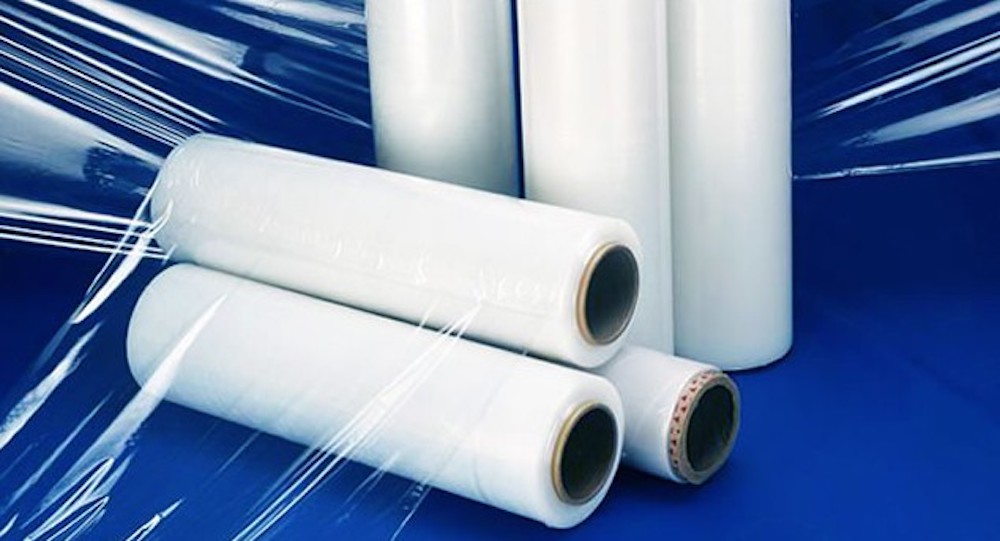
In a world where environmental concerns are gaining unprecedented momentum, industries are stepping up their game to develop innovative solutions that align with sustainability goals. One such groundbreaking advancement is the development of cellulose films, a promising alternative to conventional packaging materials that has the potential to revolutionize industries while reducing our carbon footprint.
Cellulose Films, a natural polymer found abundantly in plant cell walls, is the fundamental building block of cellulose films. Derived from renewable sources such as wood, cotton, and agricultural waste, these films offer an eco-friendly alternative to petroleum-based plastics. As we face the pressing need to mitigate plastic pollution and reduce our reliance on fossil fuels, cellulose films emerge as a beacon of hope.
One remarkable aspect of cellulose films is their remarkable versatility. These films can be tailored to match a wide range of applications across various industries. From food packaging to medical applications and beyond, cellulose films possess the structural integrity required to safeguard products while being biocompatible and biodegradable.
In the realm of food packaging, cellulose films demonstrate exceptional promise. Traditional plastics can take centuries to decompose, while cellulose films break down naturally in a matter of months, leaving no harmful residue behind. This characteristic not only reduces the strain on landfills and ecosystems but also prevents the release of toxic chemicals associated with plastic degradation.
Medical and pharmaceutical sectors are also embracing cellulose films due to their remarkable attributes. These films can be engineered to provide controlled drug release, making them invaluable in drug delivery systems. Moreover, their biocompatibility ensures minimal adverse reactions when in contact with living tissues. This convergence of biodegradability and functionality positions cellulose films as a game-changer in the medical field.
Cellulose films aren't just functional; they can also be aesthetically pleasing. Manufacturers can manipulate their transparency, texture, and even add colors using safe, plant-based dyes. This presents an opportunity to create appealing and customizable packaging that aligns with a brand's identity while being environmentally responsible.
The journey of cellulose films from laboratories to commercial viability has been accompanied by challenges. Achieving the right balance of mechanical strength, flexibility, and barrier properties to moisture and gases has required extensive research and development. However, with advancements in nanotechnology and material science, scientists are consistently pushing the boundaries of what cellulose films can achieve.
As consumer awareness about environmental issues grows, businesses are finding it increasingly important to adopt sustainable practices. Cellulose films provide an avenue for companies to showcase their commitment to the environment. By utilizing such innovative materials, they can differentiate themselves, appeal to environmentally conscious consumers, and contribute to the global push for a greener future.
In conclusion, cellulose films represent a remarkable stride toward a sustainable future. These versatile, biodegradable, and functional films hold the potential to transform industries that rely heavily on plastic packaging. With a multitude of applications, ranging from food packaging to medical advancements, cellulose films offer a compelling solution to address the plastic pollution crisis and reduce our ecological impact. As research and technology continue to advance, cellulose films could become the poster child for innovation that marries functionality with environmental responsibility. The cellulose revolution is underway, and its influence is set to reshape our world for the better.