Unlocking Your DNA: Exploring Direct-to-Consumer Genetic Testing Devices

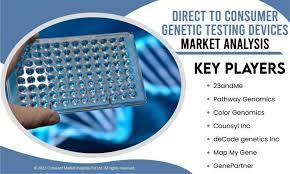
In recent years, the field of genetics has undergone a revolution, and direct-to-consumer (DTC) genetic testing devices have emerged as a groundbreaking means of exploring one's unique DNA. These tests promise to unravel the secrets hidden within our genes, offering insights into ancestry, health risks, and even lifestyle recommendations. As these tests become increasingly accessible and affordable, millions of individuals have embraced the opportunity to delve into their genetic makeup. In this article, we will explore the world of direct-to-consumer genetic testing devices, shedding light on their benefits, limitations, and the ethical considerations that accompany this personalized genomic journey.
At the core of DTC genetic testing devices lies the premise of exploring one's ancestry and genealogy. These tests utilize advanced technology to analyze a small DNA sample typically collected through a saliva or cheek swab. By examining specific markers in the DNA, these devices can trace an individual's genetic heritage, providing an in-depth analysis of their ethnic origins and ancestral migration patterns. For many, this newfound knowledge can be a deeply moving and enlightening experience, fostering a stronger connection to their roots and a better understanding of their place in the global human story.
Beyond ancestry, DTC genetic testing devices aim to empower individuals with valuable health-related information. They can identify genetic variants associated with certain health conditions and disease risks. Armed with this knowledge, users can take proactive steps towards their well-being, such as making lifestyle changes or seeking early medical intervention to mitigate potential health risks. However, it is crucial to remember that these tests are not a diagnostic tool and should not replace consultation with qualified healthcare professionals for medical advice.
Moreover, DTC genetic testing devices offer insights into various traits and characteristics influenced by genetic factors. These traits can range from physical attributes like hair and eye color to preferences for bitter or sweet tastes. Discovering these traits adds an element of novelty and excitement to the genetic testing experience, making it not just informative but also entertaining.
However, along with the promise of personal discovery, DTC genetic testing devices also raise important concerns. Privacy and data security are two of the most significant issues surrounding these tests. As users submit their genetic data to testing companies, questions arise about how this sensitive information is stored, used, and potentially shared. To address these concerns, reputable testing companies adhere to strict data protection protocols and often allow users to choose whether they want their data to be used for research purposes.
Another consideration is the accuracy and interpretation of the results. Genetic testing is a complex field, and the results provided by these devices can sometimes be difficult to understand or interpret accurately. Users may receive information that is uncertain or subject to change as genetic research evolves. It is essential for individuals to approach the results with a level of skepticism and to consult with genetic counselors or healthcare professionals when in doubt.
Furthermore, the psychological impact of DTC genetic testing should not be underestimated. While many people may find the results enriching and empowering, others may face unexpected and emotionally challenging revelations about their health risks or ancestry. Some testing companies include resources and support for users who receive potentially distressing information, but the emotional aspect of genetic testing should not be overlooked.
In conclusion, direct-to-consumer genetic testing devices have opened up new avenues for self-discovery, offering a glimpse into our past, present, and potential future. By unlocking the secrets encoded in our DNA, these tests provide a profound understanding of our ancestry, health risks, and unique traits. However, users must approach these tests with caution, understanding their limitations and seeking professional guidance when necessary. Embracing the power of genetic knowledge can be a life-affirming journey, but it is essential to navigate it responsibly, considering both the benefits and ethical considerations that come with exploring the depths of our genetic blueprint.