Unlocking the Secrets to Healthy and Radiant Hair: The Ultimate Guide to Scalp Care

Introduction:
When it comes to maintaining luscious and vibrant hair, we often focus on the strands themselves, investing in expensive shampoos, conditioners, and hair treatments. However, we tend to overlook the foundation of our hair's health - the scalp. Just as a fertile soil is crucial for the growth of a flourishing plant, a healthy scalp is essential for the growth and vitality of our hair. In this comprehensive guide, we will delve into the importance of scalp care, the common issues faced, and the best practices to ensure a healthy and radiant crown of hair.
The Significance of Scalp Care:
Our scalp care is an intricate ecosystem, comprising hair follicles, sebaceous glands, and sweat glands. It plays a pivotal role in determining the overall health of our hair. Neglecting scalp care can lead to a host of problems such as dandruff, itchiness, excessive oiliness, hair loss, and even hinder the growth of new hair. Therefore, prioritizing scalp care is the key to promoting long-term hair health.
Common Scalp Issues and Their Remedies:
-
Dandruff: Dandruff is a widespread scalp issue caused by an overgrowth of yeast-like fungus on the scalp. It leads to the flaking of the skin, resulting in white, visible flakes on the hair and shoulders. To combat dandruff, use anti-dandruff shampoos containing active ingredients like zinc pyrithione, ketoconazole, or selenium sulfide. Regularly massaging the scalp with essential oils like tea tree or neem oil can also be beneficial.
-
Dry Scalp: If you experience tightness, dryness, and itching on your scalp, you may have a dry scalp condition. To alleviate this, increase your intake of water, use a hydrating shampoo and conditioner, and avoid hot showers that can further dehydrate the scalp. Applying natural oils like coconut oil or jojoba oil can also provide much-needed moisture.
-
Excessive Oiliness: An excessively oily scalp can lead to greasy hair and clogged follicles. To manage this, wash your hair regularly with a mild shampoo, avoid using heavy hair products, and incorporate witch hazel or apple cider vinegar rinses into your routine to control oil production.
-
Hair Loss: Hair loss can be linked to numerous factors, including genetics, stress, and poor scalp health. Regular scalp massages to improve blood circulation, using hair growth stimulating oils like rosemary or castor oil, and adopting a balanced diet enriched with protein and vitamins can help reduce hair loss.
Best Practices for Optimal Scalp Care:
-
Regular Cleansing: Cleanse your scalp and hair regularly to remove dirt, excess oil, and product buildup. However, avoid excessive washing as it can strip away the natural oils that keep your scalp and hair healthy.
-
Proper Conditioning: Use a suitable conditioner after shampooing to maintain the moisture balance in your scalp and hair. Focus on applying the conditioner mainly to the lengths and ends of your hair, avoiding the scalp.
-
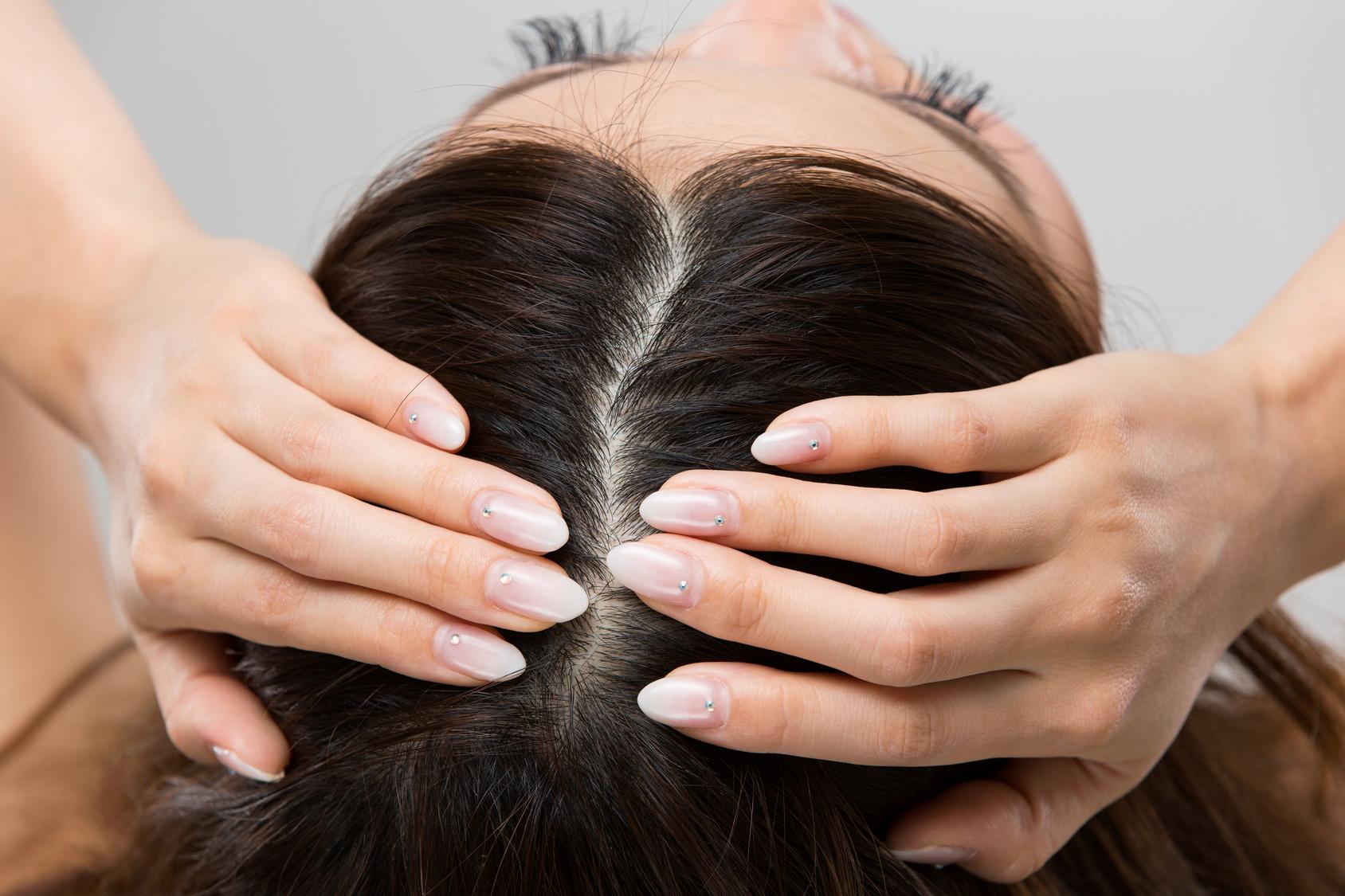
Scalp Massages: Treat yourself to a relaxing scalp massage frequently. Massaging your scalp with gentle pressure can stimulate blood circulation, promote hair growth, and reduce stress.
-
Balanced Diet: A nutritious diet with a variety of vitamins and minerals is essential for healthy hair and scalp. Include foods rich in biotin, zinc, iron, and omega-3 fatty acids in your daily meals.
Conclusion:
Our scalp is the foundation upon which healthy and radiant hair thrives. By prioritizing scalp care and addressing common issues, we can unlock the secret to beautiful, luscious locks. Remember to maintain regular cleansing, conditioning, and scalp massages while nourishing your body with a balanced diet. With these practices, you can achieve optimal scalp health and enjoy the confidence that comes with a vibrant crown of hair. So, let's embark on this journey to scalp care and embrace the joy of healthy hair!