Understanding Disinfectants: The Key to a Germ-Free Environment

Introduction
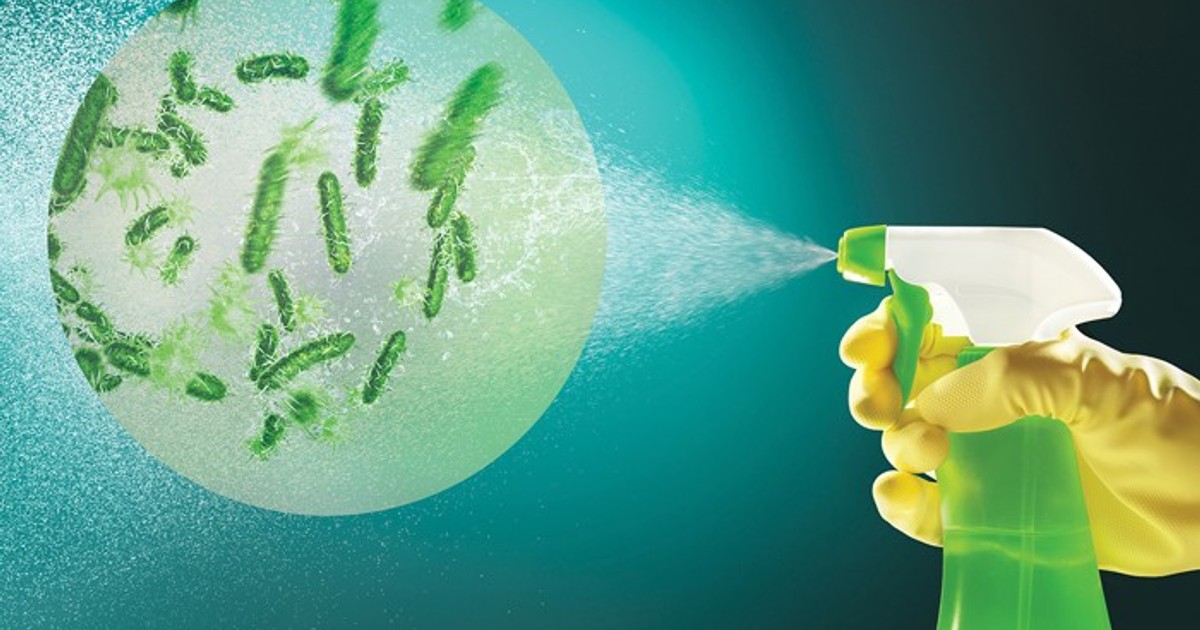
In the wake of the COVID-19 pandemic, the importance of disinfection and hygiene practices has become more evident than ever before. Disinfectants play a crucial role in maintaining a germ-free environment and preventing the spread of infectious diseases. From homes to hospitals, schools to public spaces, these powerful agents help safeguard our health and well-being. In this blog, we will delve deeper into the world of disinfectants, exploring their types, modes of action, and best practices for their effective use.
Types of Disinfectants
Disinfectants come in various forms, each tailored to target specific pathogens and surfaces. The most common types include:
-
Alcohol-Based Disinfectants: These are popular and effective disinfectants that contain isopropyl alcohol or ethanol. They work by denaturing the proteins and disrupting the cell membranes of microorganisms. Alcohol-based disinfectants are commonly used on surfaces, medical equipment, and skin.
-
Quaternary Ammonium Compounds (Quats): Quats are widely used in households and commercial settings. They are effective against a broad spectrum of bacteria and viruses. Quats work by disrupting the cell membranes and interfering with the metabolic processes of microbes.
-
Chlorine Compounds: Chlorine-based disinfectants, like bleach, are potent antimicrobial agents. They are particularly effective against viruses and can be used for disinfecting surfaces, clothing, and water.
-
Peroxide-Based Disinfectants: These disinfectants contain hydrogen peroxide and are effective against bacteria, viruses, and fungi. They work by generating reactive oxygen species that damage the cell components of microorganisms.
-
Phenolic Compounds: Phenolics are powerful disinfectants with broad-spectrum antimicrobial properties. They are commonly used in healthcare settings for disinfecting medical equipment and surfaces.
Modes of Action
Disinfectants work through various modes of action, depending on their chemical composition. The primary modes of action are:
-
Denaturation of Proteins: Many disinfectants, such as alcohol and phenolics, denature proteins, which are essential for the structure and function of microorganisms. By disrupting proteins, the disinfectants render the microbes nonviable.
-
Oxidation: Peroxide-based disinfectants and chlorine compounds work through oxidation, causing damage to the cell components of microorganisms. They create reactive oxygen species that destroy the microbes' vital structures.
-
Cell Membrane Disruption: Disinfectants like quats and alcohol attack the cell membranes of microorganisms, leading to leakage of cell contents and eventual cell death.
Best Practices for Effective Use
Using disinfectants properly is essential to achieve their maximum effectiveness. Here are some best practices:
-
Read and Follow Instructions: Always read and follow the manufacturer's instructions for each disinfectant. Pay attention to contact time, which is the duration the disinfectant needs to remain on the surface to be effective.
-
Pre-Clean Surfaces: Before applying the disinfectant, pre-clean the surfaces with soap and water to remove dirt and organic matter. This allows the disinfectant to work more efficiently.
-
Proper Dilution: If the disinfectant requires dilution, measure the correct ratio of disinfectant to water to ensure its efficacy. Using too little or too much can impact its effectiveness.
-
Use Appropriate PPE: When handling disinfectants, especially concentrated forms, use appropriate personal protective equipment (PPE) like gloves and goggles to protect yourself from potential hazards.
-
Ventilation: Ensure proper ventilation when using disinfectants to avoid inhaling fumes and maintain a healthy indoor environment.
Conclusion
Disinfectants are powerful tools in the battle against harmful microorganisms that threaten our health and well-being. Understanding the different types of disinfectants and their modes of action empowers us to use them effectively. By incorporating proper disinfection practices into our daily lives, we can create cleaner and safer environments for ourselves and others, protecting us from the threat of infectious diseases and contributing to a healthier society as a whole.