Understanding C5 Resins: Properties, Applications, and Benefits

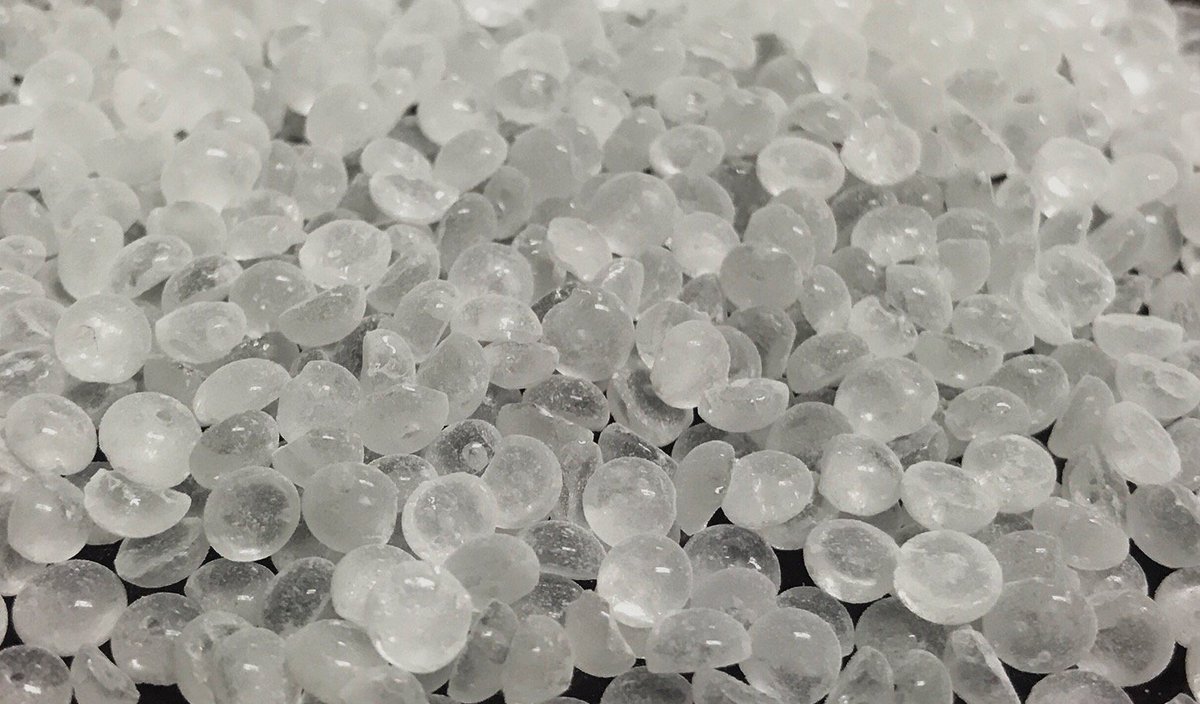
In the realm of industrial chemistry, various compounds play pivotal roles in enabling the production of a multitude of everyday products. One such class of compounds is C5 resins. While their name might not be immediately recognizable, their presence is felt in numerous applications that are integral to our daily lives. In this article, we delve into the world of C5 resins, exploring their properties, applications, and the benefits they bring to various industries.
Properties of C5 Resins:
C5 resins are a type of hydrocarbon resin derived from the polymerization of C5 fraction, which is obtained during the cracking of crude oil. The C5 fraction primarily comprises pentene and isoprene, which are crucial components in the production of these resins. This molecular arrangement imparts a range of advantageous properties to C5 resins, making them a versatile choice for various applications.
One of the key characteristics of C5 resins is their excellent tackiness and adhesion. This property makes them highly suitable for use in adhesives and sealants. Their compatibility with other polymers and materials further enhances their application potential. Additionally, C5 resins are known for their color stability and resistance to oxidation, ensuring that the end products retain their desired appearance and durability over time.
Applications of C5 Resins:
C5 resins find their way into an array of products that touch multiple aspects of our lives. One prominent application is in the formulation of adhesives. Whether it's the sticky tape that holds packaging together or labels on various items, C5 resins contribute to the adhesive properties that ensure these materials adhere reliably.
Another notable application is in the coatings industry. C5 resins are utilized in paint and varnish formulations, enhancing their adhesive properties and providing durability. Moreover, their light color and stability ensure that coatings maintain their desired appearance even under different environmental conditions.
The rubber industry also benefits from C5 resins. These resins are employed in the production of tires, contributing to the overall performance and longevity of the rubber compounds. Their compatibility with other rubber components helps maintain the structural integrity of the tires under various road conditions.
Benefits of C5 Resins:
The use of C5 resins offers several advantages, making them an indispensable component in various industries. Their excellent adhesion properties improve the overall quality and durability of products, from adhesives to coatings. Additionally, their compatibility with other materials allows manufacturers to create formulations tailored to their specific needs.
C5 resins also play a significant role in sustainability efforts. Their stability and resistance to oxidation extend the lifespan of products, reducing the need for frequent replacements. This, in turn, contributes to the reduction of waste and conserves resources.
Furthermore, C5 resins enhance the performance of end products. In the automotive sector, their incorporation into tire manufacturing ensures better traction, reduced wear, and improved fuel efficiency. In the packaging industry, they contribute to the reliability of adhesives used in sealing food and consumer goods, ensuring products remain intact and safe for consumers.
In conclusion, C5 resins might not be a household name, but their impact on various industries is undeniable. From enhancing the adhesive properties of everyday items to improving the performance of industrial products, C5 resins play a pivotal role. Their properties, applications, and benefits collectively underscore their importance in our modern world. As industries continue to innovate and develop new products, C5 resins will likely remain a crucial ingredient in the formula of success.