Synthetic Sapphire: Unveiling the Brilliance and Versatility of Lab-Created Corundum

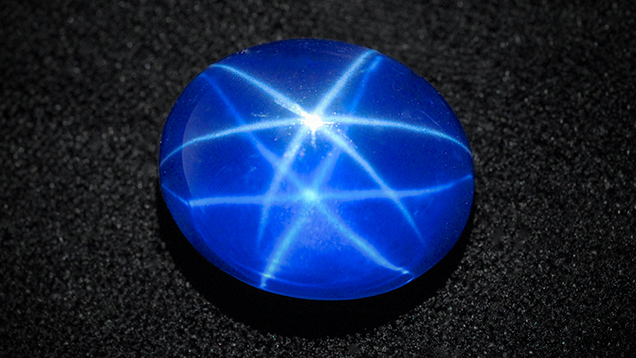
In the realm of gemstones, the dazzling allure of synthetic sapphire has garnered significant attention. As technology continues to advance, humans have unlocked the ability to recreate the stunning beauty of natural gemstones in laboratories. Among these lab-created wonders, synthetic sapphire, a variety of corundum, shines particularly bright. Let's dive into the brilliance and versatility of synthetic sapphire, exploring its origins, characteristics, and the myriad of applications it revolutionizes.
Origins of Synthetic Sapphire: Synthetic sapphire owes its existence to the meticulous efforts of scientists and gemologists who sought to mimic the natural processes that create gemstones beneath the Earth's surface. The process starts with aluminum oxide, which, under controlled conditions of extreme heat and pressure, crystallizes into the hexagonal structure that defines sapphire's remarkable clarity and hardness.
The Elegance of Characteristics: One of the most striking features of synthetic sapphire is its exceptional hardness, ranking 9 on the Mohs scale, second only to diamonds. This attribute makes it an ideal candidate not only for exquisite jewelry but also for various industrial applications that demand durability. The crystal's inherent strength and scratch resistance ensure that synthetic sapphire jewelry retains its brilliance even after years of wear.
What truly sets synthetic sapphire apart is its stunning optical properties. Displaying remarkable luster and brilliance, sapphires exhibit a vitreous to adamantine sheen that captures and reflects light in captivating ways. Additionally, synthetic sapphires come in an array of colors, from the classic deep blue to vibrant yellows, pinks, and greens. These color variations have expanded the creative horizons of jewelry designers, allowing for more diverse and innovative designs.
Versatility Redefined: Beyond the realm of adornment, synthetic sapphire's unique properties have found applications in various industries. One of the most notable sectors is electronics. Due to its exceptional electrical insulating properties and high thermal conductivity, synthetic sapphire is a preferred material for substrates in high-performance electronics, such as LEDs, semiconductors, and advanced touchscreens. Its resistance to chemicals and extreme temperatures further enhances its suitability for these applications.
Aerospace and defense industries also benefit from synthetic sapphire's toughness and optical clarity. It is used in windows and sensor components of aircraft and satellites, where its ability to withstand intense pressure changes and its resistance to scratches and impacts are of paramount importance.
Ethical and Environmental Considerations: The rise of synthetic sapphire raises important ethical and environmental discussions. While natural gemstone mining can sometimes lead to environmental degradation and exploitative labor practices, synthetic sapphire production can offer a more controlled and responsible alternative. It reduces the demand for mining, minimizes the carbon footprint associated with extraction, and ensures that the gem trade aligns with ethical labor practices.
Conclusion: A Gem of Infinite Possibilities: Synthetic sapphire stands as a testament to human ingenuity, bridging the gap between nature's wonders and our technological achievements. With its remarkable characteristics and versatile applications, this lab-created gemstone has forever transformed industries, from jewelry to electronics and beyond. As we continue to push the boundaries of innovation, synthetic sapphire's radiant beauty and practical utility will undoubtedly shine ever brighter on our journey into the future.